U.S.-Iran Tensions Escalate as Washington Signals Tougher Stance, Raising Global Security Concerns
A sharp rise in geopolitical tension between the United States and Iran is once again putting global stability under strain, as policymakers in Washington debate next steps while military and diplomatic signals intensify across the Middle East.
At the center of the situation is a growing sense that the fragile balance between deterrence and diplomacy may be slipping. U.S. officials have indicated a willingness to take a firmer approach toward Iran, particularly in response to recent developments involving maritime security and regional influence. Meanwhile, Iran has responded with its own warnings, creating a cycle of escalation that has drawn international attention.
The latest developments come amid concerns over rising US Iran military tensions, with analysts warning that even a small miscalculation could trigger a broader confrontation. Officials on both sides appear to be carefully calibrating their messaging, but the tone has undeniably hardened in recent days.
In Washington, lawmakers are increasingly focused on the legal and strategic implications of any potential military action. Questions about congressional authorization, timelines, and the scope of engagement have surfaced, particularly as discussions emerge around the possibility of extended operations. This debate reflects a deeper concern about the long-term consequences of another conflict in the region.
At the same time, defense leaders have emphasized preparedness. Military readiness has reportedly been heightened, with forces in key strategic locations maintaining a watchful stance. This has fueled growing debate on US military response options, as experts weigh the risks of escalation against the need to project strength.
Iran, for its part, has not remained silent. Officials there have framed recent U.S. actions as provocative, arguing that they undermine regional stability. The rhetoric from Tehran suggests that any further pressure could be met with decisive countermeasures, particularly in areas critical to global trade and energy flows.
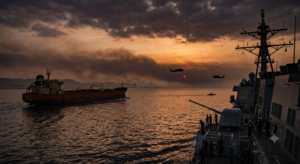
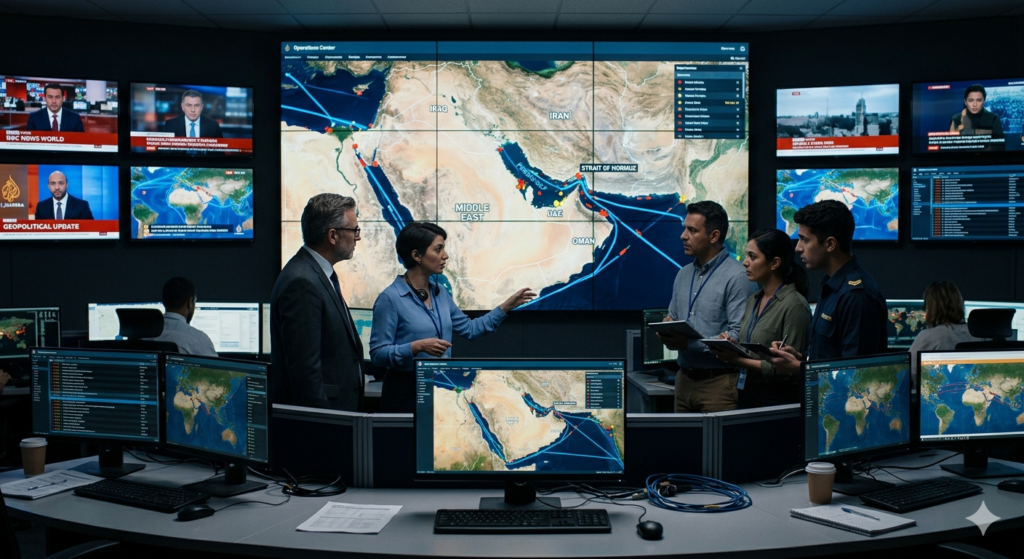
One of the most sensitive flashpoints remains the Strait of Hormuz, a vital shipping route through which a significant portion of the world’s oil supply passes. Any disruption in this area could have immediate economic consequences worldwide. This has intensified global concerns about Hormuz Strait security crisis, as markets and governments monitor the situation closely.
The economic implications are already being felt. Energy markets have shown signs of volatility, with prices reacting to the uncertainty. For American consumers, this translates into potential increases in fuel costs, adding another layer of pressure to an already complex economic landscape.
Diplomatic channels, however, have not completely shut down. Behind the scenes, efforts are ongoing to de-escalate tensions and reopen lines of communication. International partners, including European nations, are urging restraint and encouraging both sides to return to negotiations.
Still, the path forward remains uncertain. The collapse of earlier diplomatic efforts has left a vacuum that is now being filled by strategic posturing. This has led to intensifying geopolitical conflict between Washington and Tehran, a dynamic that many experts believe could define global politics in the coming months.
Public opinion in the United States is also playing a role. Americans are divided on how the government should respond, with some advocating for a strong stance to deter aggression, while others caution against entering another prolonged conflict overseas. This domestic debate is influencing political leaders as they consider their options.
Meanwhile, allies in the region are watching closely. Countries in the Middle East are particularly sensitive to any shifts in U.S. policy, as their own security and economic interests are closely tied to the outcome. This has sparked rising Middle East tensions impacting global stability, with ripple effects extending far beyond the immediate region.
Military experts warn that even limited actions could spiral into something larger. The interconnected nature of modern conflicts means that localized incidents can quickly escalate, especially when multiple actors are involved. This reality underscores the importance of careful decision-making at every level.
Despite the mounting tension, there remains a window for diplomacy. Analysts suggest that both sides may still be seeking leverage rather than outright conflict. However, the margin for error is narrowing, and the stakes continue to rise.
As the situation unfolds, the world is left watching a delicate balancing act between power and restraint. The coming days will likely prove critical in determining whether the current trajectory leads toward confrontation or a renewed push for peace.
For now, uncertainty remains the defining feature of this unfolding crisis—one that carries significant implications not just for the United States and Iran, but for the global order as a whole.