Trump Agenda Faces High-Stakes Test as Congress Battles Over Surveillance Powers, Immigration Funding, and 2026 Primaries
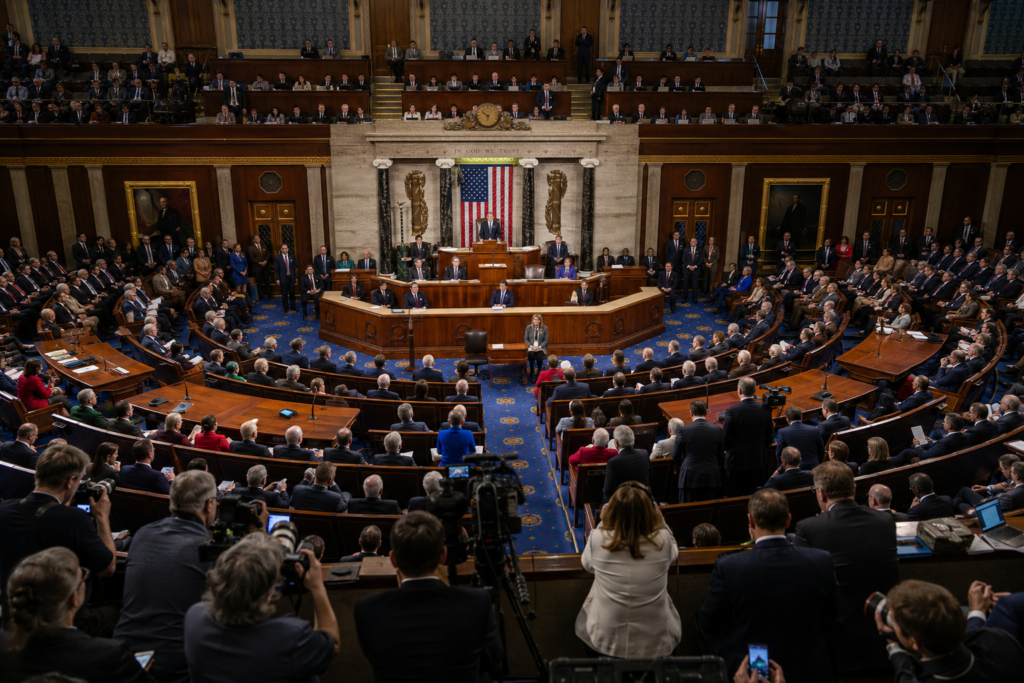
WASHINGTON, D.C. — A series of intense political battles unfolding across Capitol Hill is placing President Donald Trump’s second-term agenda under increasing scrutiny as lawmakers clash over national security surveillance powers, immigration enforcement funding, Justice Department leadership, and a rapidly evolving 2026 election landscape.
The developments come at a critical moment for the administration, with Congress debating legislation that could shape national security policy, border enforcement operations, and the political environment heading into next year’s midterm elections.
As lawmakers returned to Washington for another week of hearings, negotiations, and legislative votes, the atmosphere reflected a growing sense of urgency surrounding some of the country’s most divisive issues.
Congress Debates Future of Federal Surveillance Programs
One of the most significant discussions focused on the future of Section 702 of the Foreign Intelligence Surveillance Act, commonly known as FISA.
The surveillance authority allows intelligence agencies to collect communications involving foreign individuals located outside the United States. Supporters argue the program remains a critical tool for preventing terrorism, cyberattacks, and foreign espionage. Critics, however, continue raising concerns about privacy protections and potential government overreach.
The debate has intensified as lawmakers attempt to balance national security requirements with growing public demands for transparency and accountability.
Several members of Congress are pushing for reforms that would increase oversight, while others warn that limiting intelligence capabilities could weaken America’s ability to respond to emerging threats.
The issue has fueled growing interest in Congress debate over FISA surveillance powers, one of the most closely watched legislative battles currently unfolding in Washington.
Immigration Funding Remains a Political Flashpoint
Another major area of conflict involves immigration enforcement and funding for the Department of Homeland Security.
House Republicans recently advanced legislation allocating tens of billions of dollars for border security operations, Immigration and Customs Enforcement, and related enforcement programs. Supporters argue the funding is necessary to strengthen border controls and improve national security. Opponents contend that the proposals expand enforcement authority without sufficient safeguards or oversight.
The issue remains deeply polarizing.
Democrats continue advocating for additional reforms and accountability measures, while Republicans argue that stronger enforcement remains essential to addressing ongoing border challenges.
The ongoing dispute has become a defining example of immigration enforcement funding battle in Congress, a topic expected to dominate political messaging throughout the election cycle.
Questions Surround Justice Department Leadership
Attention has also focused on leadership within the Justice Department.
Recent nominations and personnel decisions have sparked debate among lawmakers regarding the future direction of federal law enforcement and prosecutorial independence.
Supporters of the administration argue that leadership changes reflect the president’s constitutional authority to appoint trusted officials. Critics, however, have raised concerns regarding potential conflicts of interest and the long-term implications for public confidence in federal institutions.
The controversy has generated broader discussion surrounding Justice Department leadership confirmation fight, particularly as lawmakers evaluate the role of federal agencies in a politically charged environment.
Political analysts note that leadership appointments often serve as indicators of how administrations intend to pursue policy priorities over the coming years.
Midterm Elections Already Taking Center Stage
While Congress remains focused on legislation and oversight, election politics are increasingly influencing nearly every major debate.
Several states recently held closely watched primary elections that offered an early glimpse into voter sentiment ahead of the 2026 midterms. Competitive races for Senate seats, governorships, and congressional districts are already attracting significant national attention.
Both major parties view the upcoming elections as a referendum on the administration’s performance.
Republicans continue emphasizing border security, economic growth, and national security priorities. Democrats are focusing on government accountability, civil liberties, and oversight of executive authority.
These competing narratives are shaping discussions across Washington and beyond.
The growing political focus has elevated interest in 2026 primary elections political impact, a subject increasingly driving campaign strategies nationwide.
Foreign Policy and National Security Remain Key Issues
Congressional leaders are also monitoring international developments that could influence domestic political debates.
Tensions involving Iran, military readiness, and intelligence operations continue receiving significant attention from lawmakers on both sides of the aisle. Recent discussions have highlighted concerns about regional stability, defense spending, and America’s role in addressing global security challenges.
Administration officials maintain that national security remains a top priority, while critics argue that Congress should exercise stronger oversight regarding military and intelligence-related decisions.
The situation has strengthened interest in national security oversight and foreign policy, particularly as geopolitical developments continue influencing domestic politics.
The Broader Political Landscape
Beyond individual policy disputes, the larger battle centers on competing visions for the country’s future.
Supporters of the administration argue that aggressive action on immigration, national security, and economic policy reflects voter priorities.
Opponents contend that stronger oversight and institutional safeguards are necessary to maintain public trust and democratic accountability.
The combination of legislative battles, leadership controversies, surveillance debates, and election politics has created one of the most consequential periods of congressional activity in recent memory.
Political strategists believe the outcomes of these disputes could significantly influence voter perceptions heading into the midterms.
What Comes Next?
The coming months are expected to bring additional votes, hearings, investigations, and campaign activity.
Congress remains divided on several major issues, making legislative compromise increasingly difficult. Yet lawmakers from both parties acknowledge that decisions made during this period could shape federal policy for years to come.
Whether the focus is intelligence surveillance, immigration enforcement, Justice Department leadership, or election strategy, the stakes continue rising.
For voters, the debates now unfolding in Washington represent more than routine political disagreements. They reflect fundamental questions about security, governance, accountability, and the direction of the nation itself.
As Congress and the White House continue navigating these challenges, the outcome of today’s battles may ultimately help determine the political landscape Americans encounter in 2027 and beyond.