Trump Faces Critical Crossroads as Iran Talks, Oil Fears, and Sanctions Pressure Shake Washington
President Donald Trump is facing one of the most delicate foreign policy moments of his presidency as high-stakes negotiations with Iran move closer to a possible breakthrough while tensions across the Middle East continue to threaten global stability.
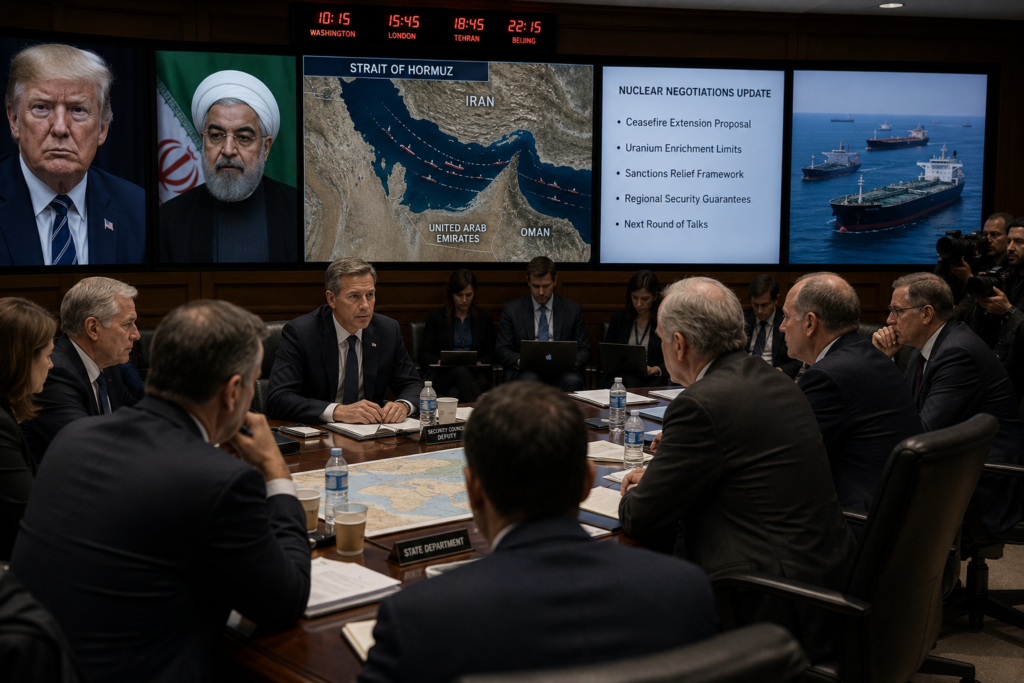
Behind closed doors, American and Iranian officials are reportedly working toward a temporary framework agreement that could reduce military pressure in the region, reopen shipping lanes in the Strait of Hormuz, and restart discussions over Iran’s nuclear program. But despite cautious optimism from diplomats, the situation remains fragile, politically explosive, and deeply uncertain.
The ongoing crisis has already rattled global energy markets, triggered fears of wider regional conflict, and intensified political divisions inside Washington. Analysts say the White House is now balancing military deterrence, economic concerns, and election-year political risks all at the same time.
The proposed framework under discussion would reportedly extend a ceasefire period and create a short-term diplomatic window for broader negotiations. Officials familiar with the talks believe the agreement could temporarily ease tensions that have escalated following months of military clashes, sanctions pressure, and threats around the Strait of Hormuz — one of the world’s most critical oil shipping routes.
The possible deal comes as U.S.-Iran nuclear deal negotiations intensify across multiple diplomatic channels. American officials have pushed for restrictions on Iran’s nuclear activities, while Iranian leaders continue demanding sanctions relief and recognition of their regional security concerns.
Although negotiators appear closer than they have been in months, several major disagreements remain unresolved. Questions surrounding uranium enrichment limits, frozen Iranian assets, and future sanctions enforcement continue to complicate the discussions.
Trump has publicly projected confidence, suggesting that Iran ultimately wants a deal more than the United States does. However, political pressure is growing inside his own party, where some Republican lawmakers and national security figures worry the administration may concede too much without securing permanent guarantees on Iran’s nuclear ambitions.
At the same time, rising oil prices and fears of disrupted energy supplies are increasing economic anxiety both in the United States and abroad. Financial markets have closely monitored every development tied to the Middle East crisis, especially any threat involving commercial shipping routes.
Experts say the global oil market reacts to Iran tensions almost instantly because the Strait of Hormuz handles a major percentage of the world’s crude exports. Even limited military activity near the waterway can trigger concerns over fuel costs, inflation, and supply chain instability.
Inside Washington, administration officials are also reportedly debating how far the United States should go militarily if negotiations collapse. Some defense officials favor maintaining pressure through sanctions and regional military positioning, while others argue that diplomacy may be the only realistic path to preventing a prolonged conflict.
The political stakes for Trump are enormous.
The administration has spent months portraying its foreign policy approach as stronger and more unpredictable than previous White House strategies. A failed negotiation or renewed military escalation could damage that message heading into a highly competitive political environment.
Meanwhile, Iran’s leadership appears equally cautious. Iranian officials have publicly signaled openness to continued negotiations while also warning that any military pressure or violations of regional agreements would provoke retaliation.
The fragile diplomatic effort has unfolded alongside continued regional instability. Israeli military operations, tensions in Lebanon, and ongoing security concerns involving Gulf nations have complicated the broader picture.
Several international governments are quietly encouraging both Washington and Tehran to finalize at least a temporary agreement before violence escalates further. European diplomats and Gulf state leaders fear a wider conflict could severely disrupt energy markets and regional security partnerships.
The situation has also reignited debate over the long-term effectiveness of economic sanctions. Critics argue that years of sanctions have weakened Iran economically without permanently resolving the nuclear dispute, while supporters insist financial pressure remains one of Washington’s strongest bargaining tools.
The White House has not confirmed final details of any proposed agreement, and Trump himself has indicated he is not rushing toward immediate approval. That uncertainty has left allies, investors, and foreign governments waiting for clearer signals from Washington.
Political analysts say the next several days could determine whether the administration secures a temporary diplomatic victory or enters another dangerous chapter of confrontation.
The broader American public is also paying closer attention as concerns grow over gas prices, military spending, and international security risks. Recent polling has shown mixed opinions about how aggressively the United States should engage in Middle East conflicts moving forward.
The current negotiations represent more than just another diplomatic meeting. They may shape the future balance of power across the region for years to come.
Supporters of the talks argue the Middle East ceasefire agreement under discussion could provide much-needed stability and create room for future diplomacy. Critics remain skeptical, warning that temporary deals often collapse under pressure and fail to address deeper geopolitical rivalries.
At the center of it all stands Trump, whose leadership style has long relied on unpredictability, public pressure, and aggressive bargaining tactics. Whether that strategy produces a lasting breakthrough with Iran — or triggers another cycle of confrontation — remains one of the defining global questions right now.
As negotiations continue, diplomats, military officials, oil traders, and world leaders are watching every signal from Washington and Tehran with growing urgency.
For now, the world remains caught between diplomacy and escalation, with both sides carefully calculating what comes next amid rising geopolitical tensions in Middle East and fears that even a small misstep could trigger wider consequences far beyond the region.