Diplomatic Standoff Deepens: U.S. Rejects Iran Proposal as Strait Tensions and Nuclear Talks Hang in Balance
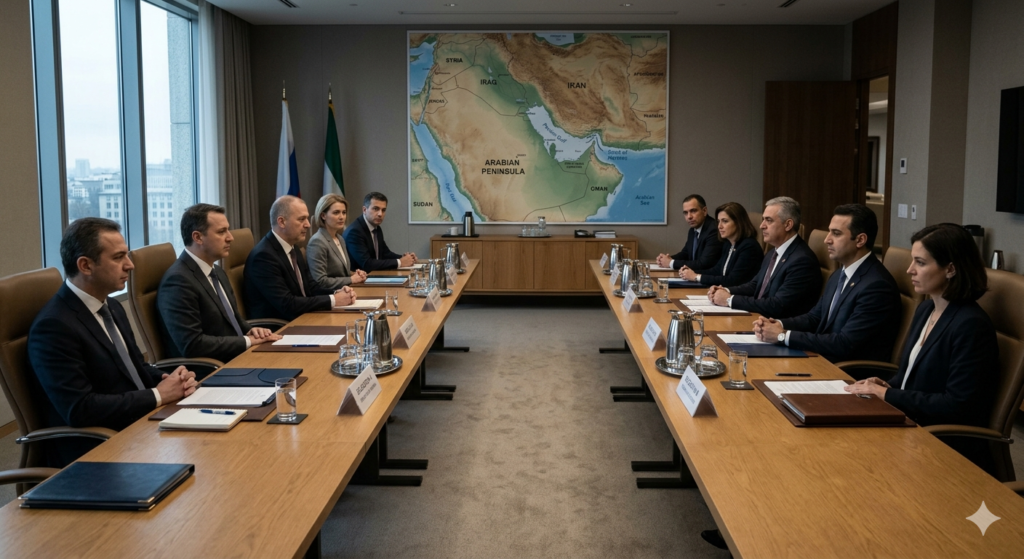
A fragile diplomatic moment between the United States and Iran is rapidly slipping into uncertainty, as recent efforts to restart meaningful negotiations have faltered amid rising mistrust and strategic disagreements. What initially appeared to be a potential opening for dialogue has instead revealed just how wide the gap remains between the two sides.
At the core of the tension is a proposal put forward by Iran, which sought to link discussions about nuclear negotiations with broader regional concerns, including security and maritime access. However, U.S. officials quickly dismissed the proposal, signaling that Washington remains unwilling to compromise on what it sees as essential conditions for any renewed agreement.
The rejection of Iranian proposal in nuclear negotiations talks has become a pivotal moment in the ongoing standoff. U.S. leaders have emphasized that any future discussions must focus squarely on Iran’s nuclear program, without introducing additional conditions that could complicate or delay progress.
This disagreement comes at a time when tensions in the region are already high, particularly around the strategically vital Strait of Hormuz. The narrow waterway, through which a significant portion of the world’s oil supply passes, has once again become a focal point of geopolitical concern.
Iran has signaled that it is willing to assert greater control over maritime traffic in the area, raising alarms among international observers. Any disruption in the Strait could have immediate and far-reaching consequences for global energy markets and economic stability.
The strategic importance of Strait of Hormuz global shipping route cannot be overstated. Even the suggestion of restricted access or increased military presence in the region has the potential to drive up oil prices and create uncertainty across global markets.
In Washington, officials have responded with a firm stance, making it clear that freedom of navigation remains a non-negotiable priority. The administration has indicated that it is prepared to take necessary measures to ensure that international shipping lanes remain open and secure.
At the same time, the collapse of this latest diplomatic effort has raised fresh concerns about the future of nuclear talks. For years, negotiations aimed at limiting Iran’s nuclear capabilities have been a central pillar of international diplomacy. However, progress has been inconsistent, often disrupted by political shifts and mutual distrust.
The breakdown in US Iran nuclear deal negotiation efforts reflects a broader challenge in achieving lasting agreements between the two nations. Each side continues to question the other’s intentions, making it difficult to build the level of trust required for meaningful compromise.
Experts warn that without renewed dialogue, the situation could become increasingly volatile. The absence of diplomatic engagement not only increases the risk of miscalculation but also reduces opportunities for de-escalation.
The rising geopolitical tensions between United States and Iran are already having ripple effects beyond the immediate region. Allies and partners are closely monitoring developments, aware that any escalation could draw in multiple countries and reshape the global security landscape.
Economic implications are also a significant concern. Energy markets are particularly sensitive to instability in the Middle East, and any disruption in supply routes could have a direct impact on fuel prices and inflation worldwide.
Meanwhile, political dynamics within both countries are influencing the trajectory of negotiations. In the United States, domestic considerations often shape foreign policy decisions, especially in periods of heightened political competition. Similarly, Iran’s leadership must navigate internal pressures while responding to external challenges.
This interplay between domestic and international factors adds another layer of complexity to an already difficult situation. The impact of political pressure on international diplomatic negotiations is evident in how both sides approach the current impasse.
Despite the setbacks, some analysts remain cautiously optimistic that diplomacy is not entirely off the table. History has shown that even the most entrenched conflicts can find pathways to dialogue under the right circumstances.
However, any future progress will likely require significant concessions and a willingness to engage in sustained, focused discussions. Both sides would need to demonstrate flexibility while maintaining their core strategic interests.
For now, the outlook remains uncertain. The rejection of Iran’s proposal has not only stalled immediate talks but also highlighted the deeper challenges that continue to define U.S.-Iran relations.
As tensions persist, the stakes remain high. The possibility of further escalation, whether through economic measures, military posturing, or unintended incidents, cannot be ruled out.
The uncertain future of US Iran diplomatic relations and talks underscores the importance of careful decision-making in the weeks ahead. Leaders on both sides face critical choices that could shape not only their bilateral relationship but also the stability of an entire region.
In a world where geopolitical dynamics are increasingly interconnected, the outcome of this standoff will likely resonate far beyond the Middle East. For now, the path forward remains unclear, with diplomacy hanging in a delicate balance.