San Francisco Catholic Archdiocese Agrees to Historic $395 Million Settlement, Marking Major Step Toward Survivor Accountability
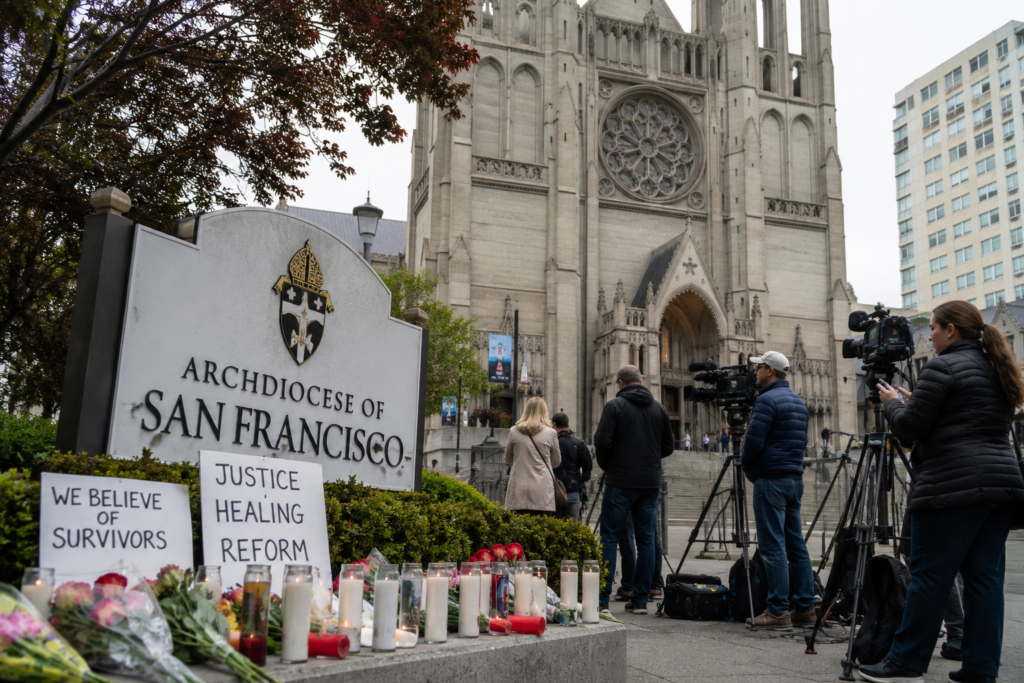
The Roman Catholic Archdiocese of San Francisco has reached a landmark agreement to resolve hundreds of child sexual abuse claims, announcing a proposed $395 million settlement that could become one of the most significant clergy abuse resolutions in U.S. history.
The agreement, which still requires approval through the federal bankruptcy process, is expected to compensate approximately 530 survivors who alleged they were sexually abused by clergy members decades ago. While no financial settlement can erase the lasting trauma experienced by survivors, many legal experts and victim advocates describe the agreement as a pivotal moment in the Catholic Church’s ongoing effort to confront one of its darkest chapters.
The proposed settlement follows nearly three years of complex bankruptcy proceedings after the archdiocese sought Chapter 11 protection in 2023. That filing came after hundreds of civil lawsuits were filed under California legislation that temporarily reopened the window for survivors to pursue decades-old child sexual abuse claims that had previously been barred by statutes of limitations.
For survivors, the agreement represents more than financial compensation.
Many have long argued that public acknowledgment, institutional transparency, and meaningful reforms are equally important. As part of the proposed settlement, the archdiocese has committed to several accountability measures designed to improve child protection policies and increase public trust.
Among those commitments are publishing the names of clergy members found to have been credibly accused of abuse, strengthening child safety protocols, and eliminating confidentiality provisions that could prevent survivors from sharing their experiences. Archbishop Salvatore Cordileone has also agreed to write personal apology letters to survivors, an action many advocates say carries symbolic importance in the healing process.
The case has renewed national attention on Catholic Church sexual abuse settlement, as faith institutions across the United States continue addressing allegations spanning several decades.
Legal observers note that California has become one of several states where changes in civil law have allowed survivors to seek justice years after the alleged abuse occurred. Those legislative changes have significantly increased the number of lawsuits filed against religious organizations, youth programs, and other institutions responsible for children.
The San Francisco agreement is believed to be the largest settlement ever reached through a Catholic diocese bankruptcy proceeding, underscoring the scale of the legal and financial consequences associated with clergy abuse litigation.
Attorneys representing survivors emphasized that the proposed agreement extends beyond financial restitution.
The settlement includes reforms intended to improve transparency and strengthen institutional safeguards for future generations. Survivor advocates have repeatedly argued that preventing future abuse is just as important as resolving past claims.
That broader mission has fueled increased public interest in child sexual abuse survivor justice, as communities continue debating how institutions should respond when historical abuse comes to light.
For the Archdiocese, the settlement represents a significant financial obligation while also signaling an effort to move forward after years of litigation.
Church officials stated that the agreement is intended to create a path toward compensation while allowing the archdiocese to continue serving Catholic communities throughout San Francisco, Marin County, and San Mateo County. Final implementation remains subject to approval by the bankruptcy court overseeing the case.
The proposed settlement also reflects a broader trend affecting Catholic dioceses across the United States.
In recent years, multiple dioceses have entered bankruptcy proceedings after facing hundreds of abuse claims. Those legal actions have prompted extensive financial restructuring while encouraging greater public disclosure regarding historical allegations.
The latest agreement has also intensified discussions surrounding bankruptcy and clergy abuse claims, an increasingly important legal issue as religious organizations balance financial obligations with survivor compensation.
Advocates say meaningful accountability requires more than monetary payments.
Many believe transparency measures, independent oversight, survivor support services, and institutional reforms are essential to rebuilding public confidence.
For survivors who have spent decades seeking recognition, the agreement represents validation that their experiences have finally been acknowledged within the legal system.
Mental health professionals note that while financial settlements cannot eliminate emotional trauma, formal recognition and institutional accountability can play an important role in long-term healing.
The case also serves as a reminder of the importance of reporting abuse, protecting vulnerable children, and maintaining robust safeguarding policies within organizations that serve families and young people.
Interest has grown around church accountability and transparency reforms, particularly as faith communities continue evaluating how best to strengthen child protection measures.
Legal experts expect the settlement to influence future negotiations involving other dioceses facing similar claims.
Because of its size and the extensive non-financial commitments included in the agreement, the case could become an important reference point for future clergy abuse litigation nationwide.
For many Americans, the broader significance extends beyond a single institution.
The settlement highlights ongoing efforts to confront historical abuse through legal accountability while encouraging stronger protections designed to reduce the risk of future misconduct.
As bankruptcy proceedings continue toward final approval, the agreement stands as one of the largest and most consequential resolutions in the history of clergy sexual abuse litigation in the United States.
Whether measured by its financial scale, survivor participation, or institutional reforms, the proposed settlement marks a defining moment in the continuing national conversation about accountability, transparency, and justice.
For hundreds of survivors, the legal process may not erase the past—but it represents an important milestone in a decades-long pursuit of recognition, responsibility, and meaningful institutional change.