Toxic Pollution From Russia-Ukraine Conflict Sparks Growing Environmental Crisis
As the war between Russia and Ukraine drags on, a quieter but deeply alarming crisis is unfolding—one that extends far beyond the battlefield. Environmental experts and local officials are increasingly warning that the conflict is leaving behind a toxic legacy, with hazardous pollution threatening ecosystems, public health, and long-term recovery efforts.
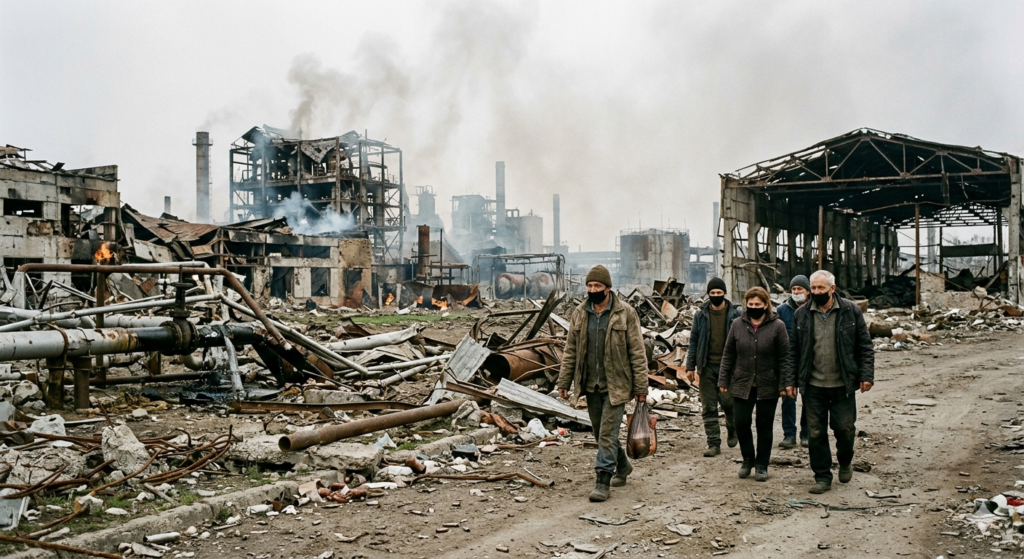
Across war-affected regions, industrial facilities, fuel depots, and chemical storage sites have been damaged or destroyed, releasing dangerous substances into the air, soil, and water. The consequences are not always immediately visible, but they are becoming harder to ignore as reports of contamination continue to surface.
The environmental impact of Russia Ukraine war pollution crisis is now emerging as a significant concern for scientists and humanitarian organizations alike. Fires triggered by missile strikes and shelling have sent plumes of toxic smoke into the atmosphere, often carrying harmful chemicals that can travel far beyond the immediate conflict zones.
Residents in affected areas describe a persistent haze and unusual odors, raising fears about long-term exposure to hazardous substances. In some cases, entire communities have been forced to grapple with contaminated water supplies and damaged infrastructure, further complicating already dire living conditions.
Experts warn that the situation could have lasting consequences for public health. Prolonged exposure to pollutants released during the conflict may increase the risk of respiratory illnesses, cancers, and other chronic conditions. The lack of access to proper medical care in many war-torn regions only amplifies these risks.
The toxic fumes and air quality risks in Ukraine conflict zones are particularly concerning, as fires at industrial sites release a complex mix of chemicals into the air. These emissions can linger for extended periods, affecting not only those in close proximity but also populations living miles away.
Environmental monitoring efforts have been severely disrupted by the ongoing fighting, making it difficult to assess the full scale of the damage. Nevertheless, preliminary findings suggest that the contamination could rival some of the most severe environmental disasters in recent history.
Water systems are also under threat. Damage to pipelines, treatment facilities, and storage sites has increased the risk of pollutants entering rivers and groundwater. This raises concerns not only for drinking water but also for agriculture, as contaminated irrigation systems could impact food production.
The water contamination concerns from damaged industrial sites Ukraine highlight the interconnected nature of the crisis. Pollution in one area can quickly spread, affecting entire regions and creating challenges that will persist long after the conflict ends.
In addition to immediate health risks, the environmental damage poses significant obstacles to future recovery. Rebuilding efforts will require not only repairing infrastructure but also addressing contamination that may take years—or even decades—to clean up.
Forests and agricultural lands have not been spared. Fires, explosions, and military activity have damaged large areas of natural habitat, disrupting ecosystems and threatening biodiversity. Wildlife populations are being forced to adapt or relocate, while some species may face long-term decline.
The long term ecological damage caused by military conflict is a growing concern among conservationists, who warn that the full impact may not be understood for years. Soil contamination, in particular, could reduce agricultural productivity and hinder economic recovery in affected regions.
International organizations are beginning to take notice, calling for increased attention to the environmental dimensions of the conflict. Some experts argue that environmental damage should be considered a critical component of humanitarian response efforts, rather than an afterthought.
There is also a broader global dimension to the crisis. Pollution released during the conflict does not respect national borders, and its effects can contribute to wider environmental challenges, including climate change. The burning of fuel depots and industrial materials releases greenhouse gases and other pollutants that add to global emissions.
The global environmental consequences of ongoing Ukraine conflict are becoming part of a larger conversation about how modern warfare impacts the planet. As conflicts increasingly involve industrialized regions, the potential for widespread environmental harm grows significantly.
Despite these concerns, addressing the environmental fallout remains a complex challenge. Ongoing hostilities make it difficult for experts to access affected areas, conduct thorough assessments, or implement remediation efforts. In many cases, immediate survival needs take precedence over long-term environmental considerations.
Still, some local initiatives are attempting to document and respond to the damage. Environmental groups, scientists, and community organizations are working to collect data, raise awareness, and advocate for action. Their efforts are crucial in ensuring that the environmental impact of the conflict is not overlooked.
For those living in affected areas, the crisis is deeply personal. Beyond the immediate dangers of war, they are facing an uncertain future shaped by invisible threats. Clean air, safe water, and healthy land—basic necessities—are no longer guaranteed.
The situation underscores a broader truth about modern warfare: its consequences extend far beyond the battlefield. The environmental toll of conflict can persist long after the fighting ends, affecting generations to come.
As the world continues to focus on the political and military aspects of the Russia-Ukraine war, experts are urging a more comprehensive approach—one that includes environmental protection and recovery as essential components of any long-term solution.
The urgent need for environmental recovery after Ukraine war is becoming increasingly clear. Without significant attention and resources, the toxic legacy of the conflict could become one of its most enduring and damaging consequences.