Washington’s Elite Gathering Highlights Growing Power of Tech in U.S. Politics
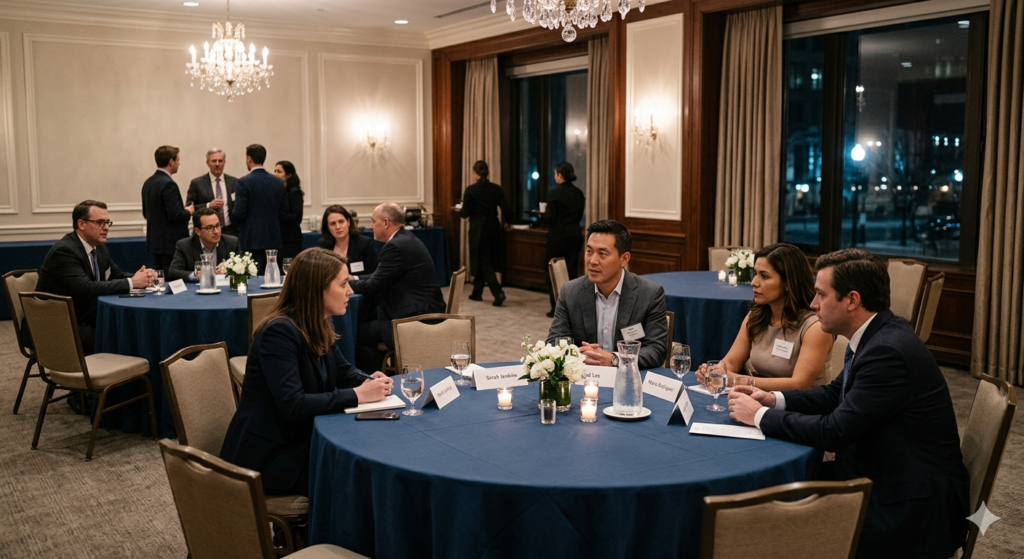
In a week already packed with political tension and national headlines, Washington, D.C. became the center of a unique convergence of power, influence, and culture. A high-profile media gathering brought together journalists, policymakers, and some of the most recognizable names in technology—including Elon Musk and Sam Altman—highlighting the growing intersection between media, innovation, and politics in the United States.
The event, traditionally known for its blend of humor, reflection, and elite networking, took on a more nuanced tone this year. While attendees still embraced moments of levity, there was a clear undercurrent of seriousness as discussions increasingly focused on artificial intelligence, digital responsibility, and the future of American democracy.
Inside the venue, conversations shifted seamlessly between light-hearted exchanges and deeper debates. Industry leaders and journalists alike acknowledged the rapid evolution of technology and its impact on public discourse. Many described the moment as a turning point, where influence of tech leaders on U.S. politics is no longer theoretical but actively shaping narratives, policies, and public perception.
The presence of figures like Elon Musk added an extra layer of intrigue. Known for his outspoken views and unpredictable public statements, Musk’s attendance sparked conversations not only about innovation but also about accountability in the digital age. Observers noted that his interactions with media figures reflected a broader shift in how tech executives engage with traditional institutions.
Similarly, Sam Altman drew attention as discussions around artificial intelligence took center stage. With AI technologies rapidly transforming industries, questions about regulation, ethics, and transparency have become increasingly urgent. Attendees emphasized the importance of artificial intelligence regulation debates in Washington D.C., pointing to the need for collaboration between government and private sector leaders.
Beyond the technology focus, the event also served as a reflection of the current media landscape. Journalists highlighted the challenges of maintaining credibility in an era dominated by social media, misinformation, and rapidly shifting public trust. The gathering became a space to reaffirm the role of journalism while acknowledging the pressures of modern reporting.
One of the key themes that emerged was the evolving relationship between media organizations and powerful external influencers. As digital platforms continue to shape how news is consumed, the lines between traditional journalism and independent voices are becoming increasingly blurred. This dynamic was captured in discussions around media industry transformation in digital news era, with many calling for renewed commitment to accuracy and accountability.
Meanwhile, political undertones remained ever-present. While the event itself was not explicitly partisan, the broader context of ongoing political developments in Washington ensured that discussions frequently returned to governance, leadership, and public policy. Analysts noted that gatherings like this often serve as informal barometers of the national mood, offering insights into how different sectors perceive the state of the country.
Security and organization were also key considerations, reflecting heightened awareness in today’s environment. While there were no major disruptions reported, the careful planning underscored the importance of safety at high-profile public events. This aligns with growing concerns about security measures at major Washington political events, especially as public gatherings continue to draw widespread attention.
For many attendees, the event was not just about networking or entertainment—it was an opportunity to engage with pressing issues in a setting that encourages open dialogue. Conversations extended beyond formal sessions, spilling into private discussions where ideas were exchanged and relationships strengthened.
Observers say the increasing presence of tech leaders at such events signals a broader cultural shift. Once operating largely behind the scenes, technology executives are now central figures in public discourse, influencing everything from economic policy to national security. This trend highlights the importance of tech and media collaboration shaping public discourse, as both industries navigate their roles in a rapidly changing world.
At the same time, critics argue that the growing influence of tech figures raises questions about power concentration and accountability. While innovation brings undeniable benefits, it also introduces challenges that require careful oversight. The balance between progress and responsibility remains a key topic of debate, particularly in Washington where policy decisions have far-reaching implications.
As the evening concluded, the overall tone was one of cautious optimism. While challenges remain, there is a clear recognition that collaboration between media, technology, and government can lead to meaningful progress. Attendees left with a renewed sense of purpose, aware that the conversations initiated at the event will likely continue to shape the national dialogue in the weeks and months ahead.
In a city where headlines are often driven by conflict and division, this gathering offered a different perspective—one that emphasized dialogue, reflection, and the possibility of finding common ground. Whether discussing artificial intelligence, media integrity, or political dynamics, the message was clear: the future of the United States will be shaped not by any single sector, but by the collective efforts of those willing to engage in thoughtful, informed conversation.