Trump Orders Naval Blockade of Iran as Battle for Hormuz Intensifies
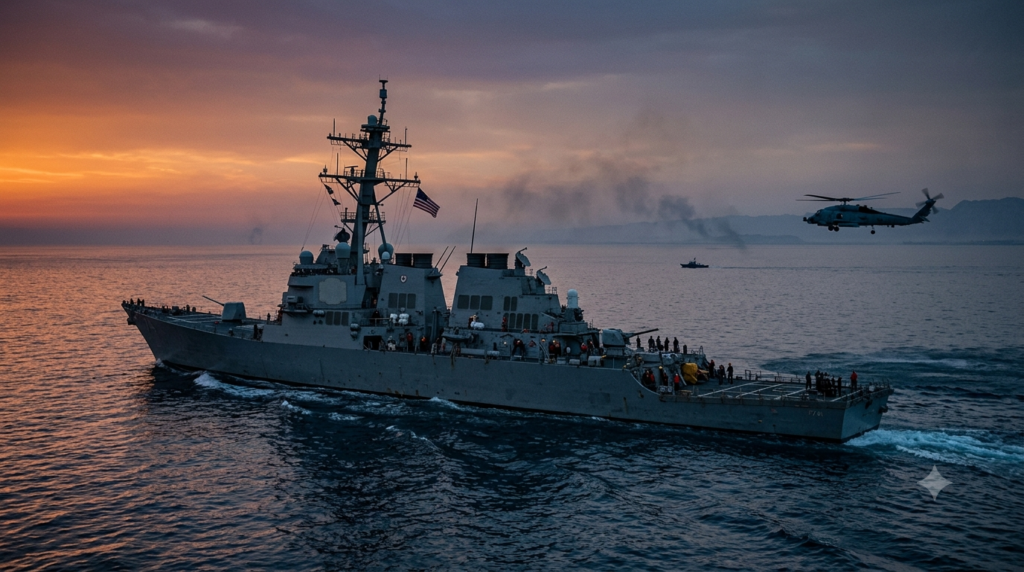
The president’s move to reimpose a full blockade comes as American strikes fail to weaken Tehran’s grip on the world’s most critical oil choke point.
President Donald Trump on Tuesday ordered the U.S. Navy to reimpose a full naval blockade of Iran, escalating an already volatile confrontation over control of the Strait of Hormuz that has sent oil prices soaring and raised fears of a wider military conflict.
The blockade, which effectively seals off Iran’s access to international shipping lanes, marks a significant escalation in the ongoing struggle between Washington and Tehran. It comes just days after Trump declared a previous ceasefire agreement effectively “over,” following an exchange of missile and drone attacks that has shattered a fragile June diplomatic accord.
Intensifying Strikes Fail to Break Tehran’s Resolve
Despite days of intensified American airstrikes targeting Iranian military installations, Tehran has shown little sign of backing down. Iranian forces have continued to harass commercial shipping in the strait, and the Islamic Revolutionary Guard Corps Navy has remained active in asserting Iranian control over the waterway.
The blockade is intended to tighten the screws on Iran’s economy, which is heavily dependent on oil exports. But it also carries significant risks. A full naval blockade is widely considered an act of war under international law, and Iran has already threatened to close the strait entirely in response to what it views as U.S. aggression.
For American consumers, the stakes are immediate and personal. Oil prices have spiked in recent days, and the reimposition of a blockade is likely to push them even higher. With approximately 20% of the world’s oil supplies passing through the Strait of Hormuz, any sustained disruption threatens to drive up gasoline prices at a time when inflation remains a top concern for U.S. households.
What the Blockade Means for Shipping
The blockade effectively seals off Iran’s access to international waters, preventing Iranian oil tankers from leaving port and blocking Iranian goods from reaching global markets. It also gives the U.S. Navy authority to intercept and inspect vessels suspected of carrying Iranian cargo.
For commercial shipping companies, the situation is increasingly untenable. Insurance premiums have skyrocketed, and many firms are rerouting vessels around the Arabian Peninsula—a costly and time-consuming detour that adds days to transit times and drives up shipping costs.
The Strait of Hormuz remains the single most important chokepoint for global energy supplies. Any prolonged closure would ripple through global supply chains, affecting everything from manufacturing to transportation costs.
The Diplomacy That Failed
The current confrontation represents a stunning reversal from just weeks ago. On June 14, Trump and Iran’s president signed a framework deal that included language Tehran interpreted as giving it control over traffic through the strait. Among other concessions, Trump agreed to end a U.S. military blockade of Iranian ports and allow Iran to resume oil sales for 60 days in return for reopening the strait.
That agreement is now in ruins. Trump has since warned that the June deal may be “over,” alleging that Tehran derailed the tentative understanding following an Iranian military strike on a commercial vessel. The collapse has exposed the fragility of diplomatic efforts to secure one of the world’s most critical maritime passages.
A Dangerous Game of Escalation
The reimposition of a blockade is a high-risk gambit. Iran has repeatedly threatened to close the strait in response to U.S. pressure, and the Islamic Republic has demonstrated its ability to strike American assets throughout the region.
The U.S. and Iran are now locked in a dangerous game of escalation, with each side responding to the other’s provocations with increasingly aggressive actions. The question is whether either side has an off-ramp—or whether the confrontation will continue to spiral.
For now, the Strait of Hormuz remains a battleground—both militarily and diplomatically. The outcome of this confrontation will have profound implications for global energy markets, U.S. foreign policy, and the stability of the entire Middle East.
Trump administration Iran policy struggles to maintain credibility as both sides accuse each other of bad faith. The president faces anger over high gas prices and spiking inflation, intensifying pressure to resolve the crisis quickly.
What Comes Next
The coming days will be critical. The blockade is set to take effect immediately, and Iran has already signaled it will respond forcefully. The Islamic Republic has threatened to close the strait entirely, a move that would effectively shut down one of the world’s most important shipping lanes.
For American consumers, the stakes couldn’t be higher. Oil prices and Strait of Hormuz tensions are directly linked, and any sustained disruption threatens to push gasoline prices higher at a time when inflation remains a top concern for voters.
The global community is watching closely. European allies, already frustrated by Washington’s unilateralism, have expressed concern about the escalation. China, which relies heavily on oil imports from the region, has called for restraint.
But for now, both sides appear to be digging in. The blockade is in place. The strikes continue. And the Strait of Hormuz remains a flashpoint that could ignite a wider conflict at any moment.