Trump Administration Faces New Political Firestorm as Brazil Clash, Pentagon Pressure, and Senate Tensions Escalate
A turbulent week in Washington has triggered fresh political battles for the Trump administration, as rising tensions with Brazil, heated Pentagon scrutiny, and escalating confrontations on Capitol Hill fuel concerns about America’s political direction heading into another volatile election cycle.
At the center of the storm is a growing diplomatic dispute involving Brazil’s leadership, renewed controversy surrounding Defense Secretary Pete Hegseth, and fierce criticism from Democratic lawmakers who say the administration is pushing executive power into dangerous territory.
The latest developments unfolded during a series of Senate hearings and public appearances that exposed widening divisions between the White House and its political opponents. What began as routine testimony quickly transformed into a broader debate over military authority, constitutional limits, foreign policy strategy, and the future of democratic institutions in the United States.
Political pressure intensified after Sen. Mark Kelly of Arizona publicly challenged actions tied to the Pentagon and the administration’s handling of military conduct. Kelly, a former Navy captain and astronaut, has emerged as one of the administration’s most outspoken critics in recent weeks.
The controversy stems from remarks encouraging military personnel to reject unlawful commands — comments that triggered backlash from administration allies and prompted investigations within defense circles. Supporters of Kelly argue he was simply reinforcing long-standing military principles tied to constitutional obligations. Critics inside the administration, however, portrayed the statements as politically inflammatory during an already tense national climate.
The dispute has rapidly become one of the most talked-about examples of the growing clash between the White House and Democratic lawmakers over the military’s role in domestic and international policy decisions.
Political analysts say the confrontation reflects broader fears surrounding Trump administration military authority controversy and increasing concerns over executive influence inside federal institutions.
At the same time, foreign policy tensions are adding another layer of uncertainty.
Relations between the United States and Brazil have reportedly become strained following disagreements involving diplomatic messaging, trade strategy, and political rhetoric connected to Brazilian President Luiz Inácio Lula da Silva. While officials on both sides have attempted to downplay the seriousness of the dispute publicly, insiders familiar with ongoing conversations say frustrations have intensified behind closed doors.
The White House has continued to push an “America First” approach to international negotiations, but critics argue that the aggressive posture risks weakening long-term alliances across Latin America.
Foreign policy experts warn that deteriorating communication between Washington and Brasília could create economic and geopolitical ripple effects throughout the Western Hemisphere. Some analysts also believe the conflict may complicate future cooperation on trade, climate initiatives, border security, and regional defense planning.
The dispute is now drawing attention among voters searching for updates on United States Brazil diplomatic tensions 2026 as international relationships increasingly become central to the upcoming political debate in America.
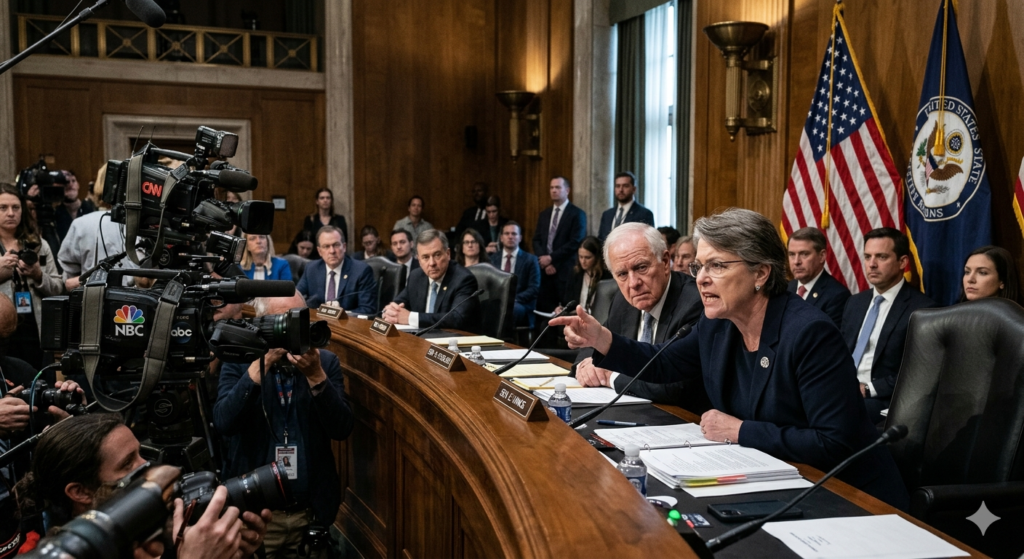
Meanwhile, Capitol Hill hearings featuring Defense Secretary Pete Hegseth turned combative as lawmakers demanded answers regarding military investigations, constitutional protections, and the Pentagon’s recent decisions involving political speech.
Several senators questioned whether federal agencies were overstepping legal boundaries by targeting political critics connected to the military community. Others defended the administration’s efforts, arguing that maintaining military discipline remains critical during periods of heightened national instability.
The hearing became especially tense when discussions shifted toward free speech protections and allegations that government officials were attempting to intimidate dissenting voices.
Democratic lawmakers repeatedly accused administration officials of using fear-based tactics to silence criticism, while Republican allies countered that national security concerns justified aggressive oversight measures.
The political spectacle quickly dominated online discussions and cable news coverage, with commentators describing the exchange as one of the most explosive Senate confrontations in recent months.
Search interest surrounding Pete Hegseth Senate hearing political backlash has surged as Americans follow the escalating standoff between the administration and its opponents.
Beyond Washington, the controversy is also fueling growing anxiety among veterans, military families, and constitutional scholars who worry about the increasingly politicized environment surrounding the armed forces.
Some former military officials have publicly defended Kelly’s comments, emphasizing that service members are legally obligated to reject unlawful orders under military law. Others argue the issue is being weaponized politically by both parties ahead of the election season.
The broader debate reflects deeper national divisions over patriotism, constitutional loyalty, presidential authority, and the limits of executive power in modern America.
Political strategists believe the administration’s handling of these disputes could significantly influence independent voters who remain concerned about democratic norms and institutional stability.
Public opinion appears sharply divided.
Trump supporters continue to rally behind the administration, framing the criticism as politically motivated attacks designed to weaken conservative leadership ahead of major elections. Opponents, however, argue that the pattern of escalating confrontations with critics, lawmakers, and foreign governments signals a dangerous shift in presidential governance.
The controversy arrives at a critical moment for the White House as economic uncertainty, border security debates, and international conflicts already dominate the national conversation.
For many Americans, the latest developments reinforce concerns surrounding constitutional crisis fears in American politics and the increasingly combative tone shaping modern U.S. leadership.
As investigations, hearings, and diplomatic negotiations continue, Washington now faces mounting pressure to restore stability amid growing political turbulence.
Whether these confrontations ultimately strengthen or damage the administration politically remains unclear. But one thing is certain: the collision between military authority, political speech, and international diplomacy is rapidly becoming one of the defining stories shaping America’s political landscape in 2026.