Trump Administration Faces Intense Congressional Scrutiny as Immigration, Iran, and Election Politics Collide
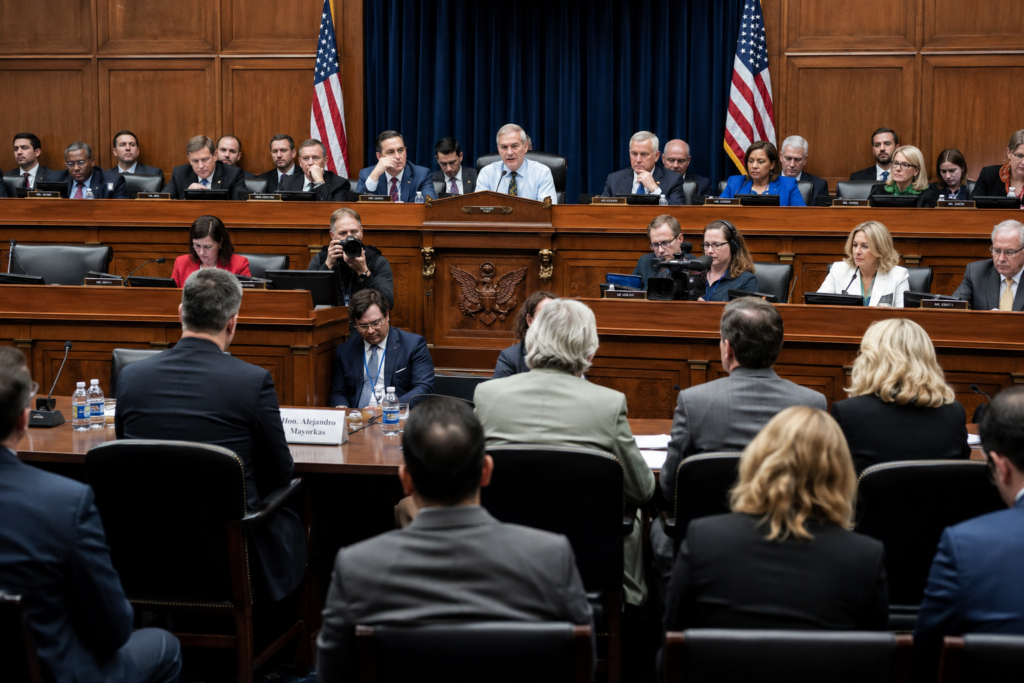
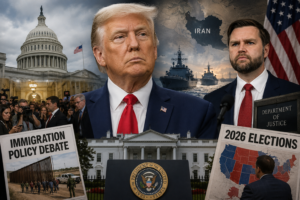
Washington, D.C. — A series of high-profile congressional hearings this week placed key members of President Donald Trump’s administration under intense pressure as lawmakers debated immigration enforcement, U.S. involvement in the Middle East, and a growing number of political controversies that could shape the 2026 midterm elections.
The hearings brought together some of the administration’s most influential figures, including senior Justice Department, Homeland Security, and foreign policy officials, as members of Congress sought answers on issues ranging from immigration enforcement operations to America’s ongoing conflict with Iran.
At the center of the debate was the administration’s aggressive border security agenda, which remains one of Trump’s signature policy priorities. Congressional Republicans have continued pushing legislation that would significantly increase funding for immigration enforcement agencies, while Democrats argue that the proposals grant excessive authority and resources without sufficient oversight.
The Senate recently advanced a major funding package designed to support Immigration and Customs Enforcement (ICE) and Border Patrol operations. The legislation would allocate tens of billions of dollars toward immigration enforcement efforts, border security initiatives, detention facilities, and deportation operations. Supporters say the measure is necessary to strengthen national security and enforce immigration laws. Critics contend it could dramatically expand federal enforcement powers while increasing political tensions surrounding immigration policy.
The immigration debate has become one of the defining political battles ahead of the midterm elections, with both parties seeking to energize their supporters around border security and federal enforcement policies.
Several lawmakers questioned administration officials about federal immigration enforcement funding debate, arguing that taxpayers deserve greater transparency regarding how federal resources are being used. Others defended the administration’s approach, claiming stronger enforcement measures are essential to addressing illegal border crossings and maintaining public confidence in the immigration system.
At the same time, foreign policy concerns dominated portions of the hearings.
Members of Congress repeatedly pressed administration officials regarding America’s military involvement in Iran. The conflict has now stretched for months, raising concerns among lawmakers from both parties about executive authority and the long-term implications of military operations in the region.
Those concerns intensified after the House of Representatives approved a bipartisan war powers measure intended to limit presidential authority over military action involving Iran. The resolution represented a rare moment of bipartisan cooperation and signaled growing congressional unease about continued military engagement without additional legislative approval.
The issue has fueled growing interest in Congressional oversight of Iran conflict, a topic expected to remain at the forefront of Washington’s political agenda throughout the summer.
Administration officials defended current policies, arguing that national security decisions require flexibility in a rapidly changing global environment. However, critics warned that extended military involvement without clear congressional authorization could create significant constitutional and political challenges.
Another controversy that drew significant attention involved a proposed compensation program that had generated criticism from both Republicans and Democrats.
The initiative, which faced legal challenges and political resistance, was ultimately abandoned after encountering opposition in Congress. The proposal had become a flashpoint in debates over government spending, accountability, and executive authority. Several lawmakers used the hearings to question how such programs were developed and reviewed before being publicly announced.
The controversy has become part of a broader conversation about Trump administration policy controversies 2026, a phrase increasingly appearing in political discussions as lawmakers examine a range of executive actions.
Political tensions were further heightened by recent developments involving national intelligence leadership.
Questions emerged after the administration selected a new acting intelligence chief, a decision that immediately sparked debate among members of Congress. Some lawmakers expressed concern about qualifications and experience, while administration supporters argued that leadership changes are a normal part of government operations and reflect the president’s authority to choose trusted advisers.
The issue has generated growing discussion around national security leadership appointment questions, particularly among lawmakers responsible for intelligence oversight.
As the hearings continued, election politics remained impossible to ignore.
Both parties increasingly view the upcoming midterm elections as a referendum on Trump’s second-term agenda. Democrats hope to capitalize on voter concerns surrounding foreign policy, immigration enforcement, and government accountability. Republicans, meanwhile, continue emphasizing border security, economic issues, and national security priorities.
Political strategists believe the hearings may provide an early preview of campaign messaging that could dominate congressional races across the country over the coming months.
The emerging battle lines reflect broader concerns about midterm election impact on Trump agenda, as candidates attempt to define the administration’s record for voters in competitive districts and states.
Despite sharp disagreements, lawmakers from both parties acknowledged that immigration, national security, and government accountability remain among the most important issues facing the nation.
The hearings underscored how closely interconnected those issues have become in today’s political environment.
With Congress preparing for additional debates on immigration funding, military authority, and federal oversight, Washington appears headed toward another period of intense political confrontation. As lawmakers return to the campaign trail and voters begin paying closer attention to the midterm landscape, the decisions made in the coming months could have lasting consequences for both the administration and the future direction of U.S. policy.
For now, one thing is clear: the battles unfolding inside congressional hearing rooms are increasingly shaping the national political conversation—and could play a major role in determining the balance of power after the next election.