High-Stakes U.S.-Iran Talks Open in Switzerland as Vance Seeks Breakthrough Amid Growing Strait of Hormuz Tensions
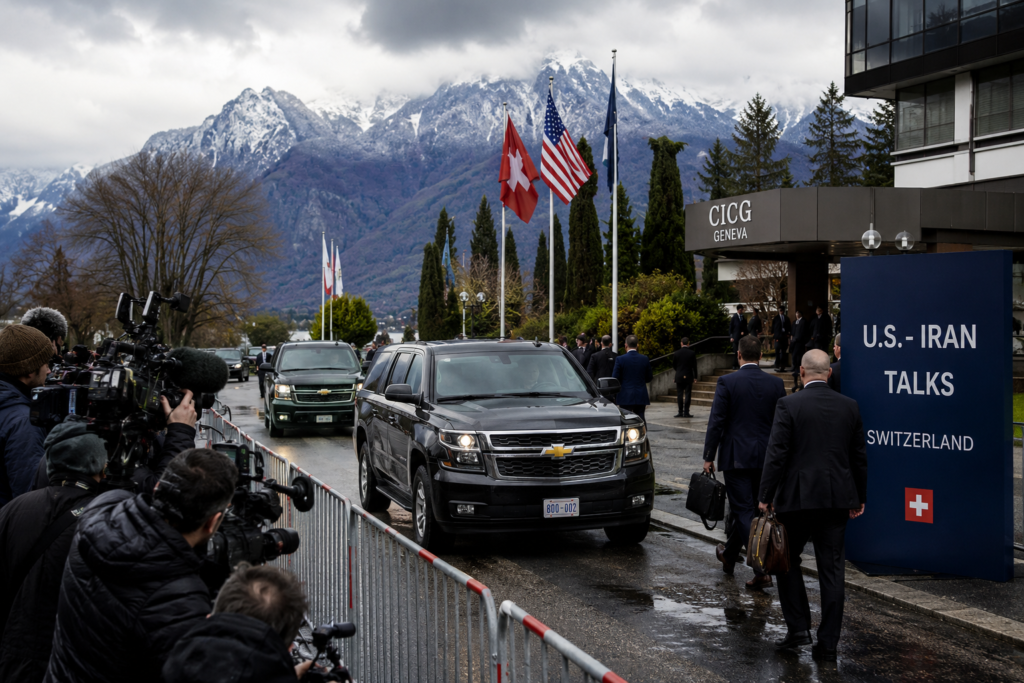
As global attention remains fixed on the Middle East, senior American and Iranian officials have begun a critical new round of negotiations in Switzerland aimed at stabilizing a fragile diplomatic framework that could shape the region’s future for years to come.
Vice President JD Vance arrived in Switzerland over the weekend to lead the U.S. delegation in what officials describe as one of the most consequential diplomatic efforts of the year. The talks come at a moment of heightened uncertainty, with disputes over Iran’s nuclear activities, regional security concerns, and ongoing tensions surrounding the Strait of Hormuz threatening to derail recent progress.
The negotiations are taking place after Washington and Tehran established a temporary framework agreement intended to reduce military tensions and create a path toward a broader long-term settlement. While both sides have publicly expressed support for continued dialogue, major disagreements remain unresolved.
At the center of the discussions is Iran’s nuclear program. American officials are seeking stronger verification measures and expanded international oversight to ensure Tehran does not advance toward developing nuclear weapons capabilities. U.S. negotiators are also expected to push for renewed monitoring mechanisms and greater transparency regarding nuclear materials and enrichment activities.
Iranian officials, meanwhile, are expected to focus heavily on sanctions relief and economic restrictions that have weighed on the country’s economy for years. Tehran has repeatedly argued that any lasting agreement must include meaningful economic benefits and guarantees regarding future international cooperation.
The talks are unfolding against the backdrop of rising concerns over the strategically vital Strait of Hormuz, one of the world’s most important energy shipping routes. Roughly one-fifth of globally traded oil passes through the narrow waterway, making any disruption a major concern for international markets.
Recent claims and counterclaims regarding the status of shipping traffic through the strait have fueled uncertainty among energy traders and policymakers. Iranian authorities have signaled frustration over regional developments, while U.S. officials continue to insist that commercial maritime traffic remains operational.
The growing dispute has transformed the Strait of Hormuz into one of the most closely watched geopolitical flashpoints in the world. Analysts warn that prolonged instability in the area could have significant consequences for global energy supplies, shipping costs, and fuel prices.
For American consumers, the outcome of these negotiations could carry direct economic implications. Energy experts note that sustained disruptions in Middle Eastern shipping routes often translate into higher transportation expenses and increased pressure on fuel markets worldwide.
Adding another layer of complexity is the broader security situation across the region. Recent clashes involving Iran-backed groups and U.S. allies have created fresh diplomatic challenges. While negotiators are focused primarily on nuclear and economic issues, regional security concerns remain impossible to ignore.
Several diplomatic observers describe the current talks as a race against time. Under the existing framework, both sides have a limited window to transform preliminary understandings into a comprehensive agreement capable of surviving future political shifts.
The administration views the negotiations as an opportunity to reduce the risk of future military escalation while strengthening international security arrangements. Officials close to the discussions say Washington hopes diplomacy can deliver a more durable solution than continued confrontation.
However, skepticism remains widespread among foreign policy experts. Past negotiations between the United States and Iran have frequently encountered setbacks, often collapsing under political pressure, regional conflicts, or disagreements over implementation details.
Some analysts believe the most difficult issues have yet to be addressed. Questions surrounding enforcement mechanisms, compliance verification, sanctions timelines, and regional military activity could prove far more challenging than establishing initial diplomatic principles.
Despite those concerns, supporters of the talks argue that continued engagement remains the best available option. They point out that direct communication channels reduce the likelihood of misunderstandings and create opportunities for conflict prevention during periods of heightened tension.
International observers are watching closely for signs of progress in the coming days. Even modest breakthroughs could help restore confidence in the diplomatic process and reassure global markets concerned about regional instability.
For Vice President Vance, the negotiations represent a major foreign policy test. The outcome could influence not only U.S.-Iran relations but also broader American strategy across the Middle East. Success could strengthen Washington’s diplomatic position, while failure could intensify existing tensions and increase uncertainty throughout the region.
As negotiators continue their meetings behind closed doors, the world is waiting to see whether diplomacy can overcome years of mistrust and geopolitical rivalry.
For now, the Switzerland talks offer a rare opportunity for two longtime adversaries to pursue a path away from confrontation. Whether that opportunity leads to lasting progress remains one of the most important unanswered questions in global affairs today.
Throughout the discussions, attention will remain focused on U.S.-Iran nuclear negotiations in Switzerland, Strait of Hormuz shipping route tensions, Middle East diplomatic breakthrough and security, global oil market disruption concerns, and JD Vance Iran peace talks, all of which are expected to shape international headlines in the days ahead.