Israel Deports Gaza Aid Activists After Naval Interception Sparks International Backlash
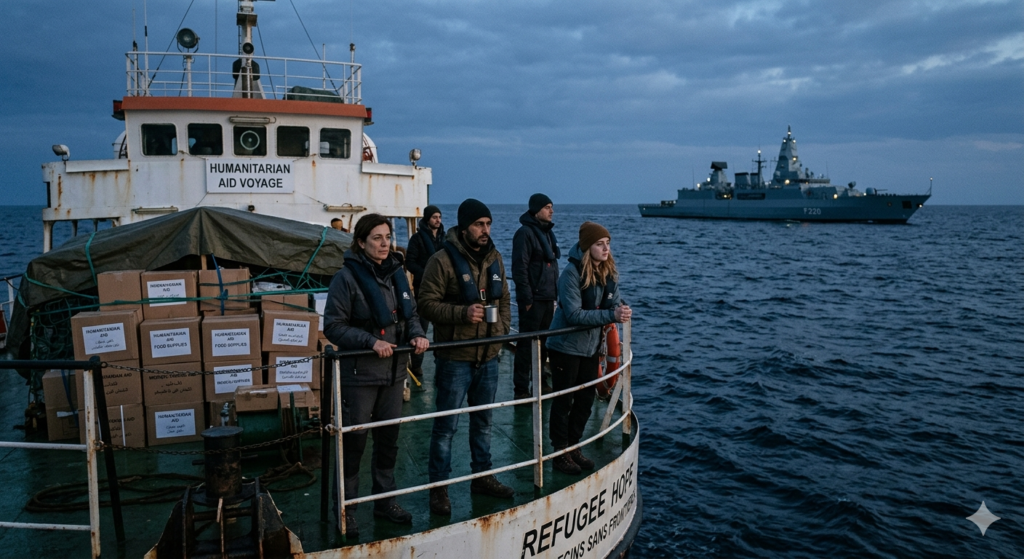
Israel’s decision to deport several international activists involved in a humanitarian aid flotilla bound for Gaza has triggered renewed global debate over the ongoing blockade, humanitarian access, and escalating tensions surrounding the war-torn Palestinian territory.
The incident unfolded after Israeli authorities intercepted a civilian-led aid vessel attempting to approach Gaza by sea, according to officials and activist groups involved in the mission. The passengers, who included international campaigners and humanitarian supporters from multiple countries, were later detained and ordered deported following questioning by Israeli authorities.
The operation has quickly intensified international attention on the worsening humanitarian crisis in Gaza and the growing conflict between security enforcement and global activism surrounding aid access to the region.
Human rights advocates argue the flotilla was intended to draw global attention to shortages of food, medical supplies, and humanitarian assistance inside Gaza, where civilians continue facing severe hardship amid ongoing instability and conflict.
Israeli officials, however, defended the interception, stating that unauthorized maritime access to Gaza violates national security restrictions designed to prevent weapons smuggling and militant activity.
The confrontation has now become one of the most widely discussed international developments tied to the conflict, fueling online conversations surrounding Israel Gaza aid flotilla deportation controversy and broader concerns about humanitarian access in the region.
According to activists involved in the mission, the vessel carried symbolic humanitarian supplies and sought to challenge restrictions limiting direct aid deliveries into Gaza through maritime routes. Organizers described the operation as peaceful and humanitarian in nature, insisting the mission was intended to spotlight civilian suffering rather than provoke confrontation.
Several passengers reportedly documented the interception and detention process through social media updates before communications were interrupted.
Videos and photographs circulating online showed emotional scenes aboard the vessel before Israeli forces took control of the ship and redirected it toward Israeli territory.
The incident quickly sparked criticism from some international organizations and political figures who accused Israel of suppressing humanitarian activism and restricting civilian aid efforts.
At the same time, Israeli authorities maintained that all actions taken during the operation followed security protocols and legal maritime enforcement procedures.
Government officials emphasized that humanitarian aid to Gaza must move through approved inspection channels rather than unauthorized civilian flotillas.
The growing controversy has increased global interest surrounding international activists detained near Gaza waters as humanitarian organizations continue demanding expanded access for aid deliveries into the territory.
The Gaza humanitarian situation remains one of the most politically sensitive and emotionally charged issues in international diplomacy.
Millions of Palestinians living in the region continue facing shortages of essential goods, damaged infrastructure, economic collapse, and displacement linked to prolonged conflict and military operations.
International relief groups have repeatedly warned about worsening living conditions, particularly for children and families struggling with limited medical care, food insecurity, and disrupted public services.
Against that backdrop, activist-led flotillas have increasingly become symbolic political actions intended to pressure governments and raise international awareness.
Supporters view these missions as peaceful humanitarian campaigns highlighting civilian suffering.
Critics, however, argue such operations risk escalating tensions and complicating already fragile security conditions in the Eastern Mediterranean.
Searches related to humanitarian crisis and Gaza aid blockade have surged globally as public attention returns to the challenges surrounding aid access and civilian protection.
The diplomatic fallout from the latest deportations may continue unfolding in coming days.
Several foreign governments are reportedly seeking additional information regarding the treatment of detained activists and the legal basis for the deportation process. Human rights advocates are also calling for independent reviews of maritime enforcement policies connected to Gaza access restrictions.
Meanwhile, Israeli officials continue emphasizing that security concerns remain central to all operations involving the territory.
The Israeli government has long argued that maritime controls are necessary to prevent armed groups inside Gaza from obtaining weapons and military supplies. Authorities insist that while humanitarian aid remains important, national security threats cannot be ignored amid ongoing regional instability.
The issue reflects a broader international divide over how to balance humanitarian priorities with military and security concerns in one of the world’s most contested conflict zones.
Online discussions involving Middle East maritime aid mission tensions have expanded rapidly as political leaders, activists, and analysts debate the legality and morality of civilian flotilla operations.
For many observers, the incident also highlights the increasing role of digital activism in shaping global narratives surrounding international conflicts.
Images, livestreams, and real-time social media updates from activist missions often generate widespread emotional reactions and international scrutiny before official government statements are even released.
This shift has made humanitarian confrontations more visible to global audiences than ever before.
At the same time, the emotional impact of the Gaza conflict continues affecting public opinion worldwide.
Demonstrations supporting Palestinian civilians, calls for ceasefires, and debates over humanitarian policy have emerged across major cities in Europe, North America, and the Middle East throughout the ongoing crisis.
Public divisions remain intense, particularly regarding military operations, international law, civilian casualties, and long-term political solutions.
Interest surrounding global response to Gaza humanitarian conflict continues climbing as governments face mounting pressure from both domestic activists and international organizations.
Analysts say the deportation controversy is unlikely to significantly alter broader Israeli security policy regarding Gaza maritime access in the immediate future.
However, the incident may further intensify diplomatic pressure and international criticism tied to humanitarian conditions inside the territory.
For activists involved in the flotilla mission, the deportations appear to have strengthened their determination to continue raising awareness about Gaza’s humanitarian challenges.
For Israeli authorities, the operation reinforced their position that maritime enforcement remains essential to regional security.
And for civilians watching around the world, the confrontation served as another reminder of how deeply unresolved the Gaza crisis remains.
As political tensions, humanitarian concerns, and international activism continue colliding, the struggle over aid access to Gaza is increasingly becoming not only a regional issue — but a global moral and diplomatic flashpoint.