British Voters Deliver High-Stakes Political Test as Pressure Mounts on Prime Minister Keir Starmer
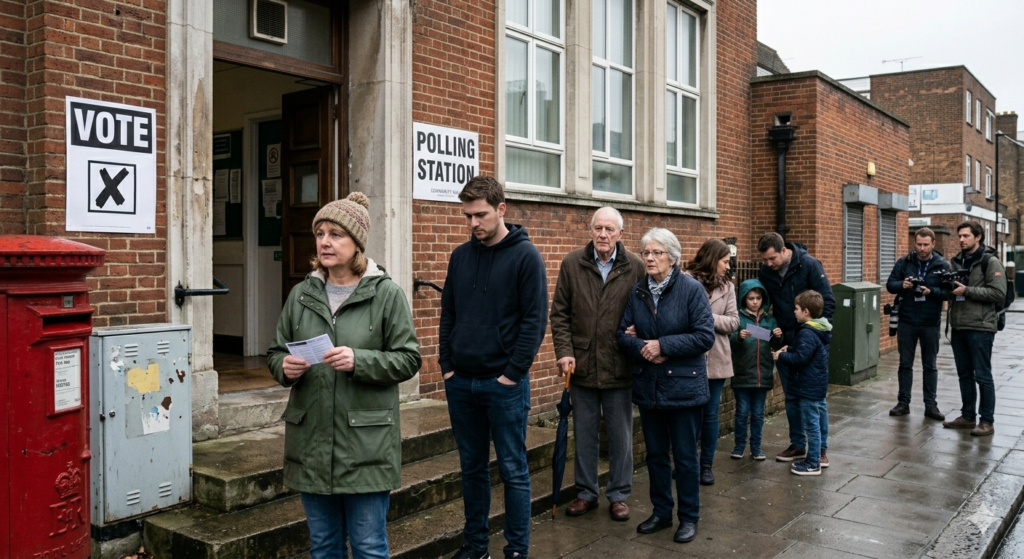
Voters across the United Kingdom headed to the polls Thursday in a closely watched round of local elections that many political observers view as an early referendum on Prime Minister Keir Starmer’s leadership and the future direction of British politics.
The elections, taking place across hundreds of local councils and regional offices, arrive at a politically sensitive moment for the Labour government. Rising economic anxiety, frustration over immigration policies, public sector challenges, and growing concerns about living costs have reshaped the national mood only months after Labour secured power.
While local elections in Britain traditionally focus on municipal issues such as transportation, housing, and public services, this year’s vote has taken on broader national significance. Political strategists from every major party are treating the results as a key indicator of public confidence ahead of future parliamentary battles.
For Starmer, the stakes could hardly be higher.
After campaigning on promises of stability, economic repair, and institutional competence, the prime minister now faces mounting pressure from both political opponents and frustrated voters demanding faster results. Many British families continue struggling with high household expenses, stagnant wages, and strained public infrastructure despite signs of modest economic recovery.
Analysts say the election may reveal whether voters still believe Labour can deliver meaningful change or whether public patience is beginning to fade.
The outcome is already fueling intense interest around Keir Starmer approval ratings among voters, particularly as opposition parties attempt to capitalize on dissatisfaction surrounding the government’s domestic agenda.
Across England, campaign messaging reflected growing voter frustration over everyday affordability concerns. Candidates repeatedly encountered questions about rent prices, utility bills, healthcare wait times, and local crime rates during final campaign events.
In several working-class communities, voters expressed disappointment that economic conditions have not improved as quickly as expected following Labour’s return to government. Some residents acknowledged that rebuilding the economy would take time, but others argued that promises made during the national election campaign created expectations that remain unmet.
Political tensions were especially visible in districts where anti-establishment sentiment has gained traction in recent years.
Smaller political movements and populist voices have attempted to position themselves as alternatives to Britain’s traditional party structure, appealing to voters who feel disconnected from Westminster politics. Immigration policy, national identity, and government spending emerged as particularly emotional issues throughout the campaign season.
The elections are now being viewed internationally as part of a broader pattern of political instability affecting many Western democracies.
Observers following United Kingdom local elections political shift say the results may offer insight into how voters across Europe and the United States are reacting to inflation pressures, cultural divisions, and declining trust in political institutions.
For the Conservative Party, the elections also represent a critical opportunity to rebuild credibility after suffering major setbacks in recent years. Conservative leaders have worked aggressively to frame Labour as disconnected from ordinary voters and unable to reverse economic stagnation.
Party strategists focused heavily on tax concerns, border enforcement, and local accountability in hopes of regaining support in suburban and rural communities that once formed the backbone of Conservative electoral strength.
At the same time, Reform UK and other insurgent political groups have attempted to channel voter frustration into broader anti-establishment momentum. Their growing visibility reflects deeper dissatisfaction among segments of the electorate who believe neither major party fully represents public concerns.
The expanding influence of smaller parties has increased anxiety among traditional political leaders who worry Britain may be entering a more fragmented and unpredictable electoral era.
Searches related to British voter frustration over living costs have surged online as citizens debate whether the country’s political leadership is truly addressing the financial realities facing ordinary households.
Meanwhile, Labour officials have urged voters to remain patient, arguing that repairing years of economic instability cannot happen overnight. Government allies point to improving market confidence, international investment discussions, and infrastructure planning initiatives as evidence that progress is underway.
Still, critics argue the public is looking for immediate relief rather than long-term projections.
Healthcare also became a defining issue during the campaign cycle.
Many voters voiced ongoing frustration over pressure on the National Health Service, including appointment delays, staffing shortages, and emergency room overcrowding. Education funding and public transportation challenges similarly emerged as key concerns in urban and suburban regions.
These local frustrations have increasingly merged with broader national debates about government competence and political trust.
Some political analysts believe the election results could reshape internal dynamics within Labour itself if the party underperforms expectations. Although Starmer remains firmly in control of the government, disappointing outcomes in key districts may strengthen criticism from both centrist and progressive factions inside the party.
Questions surrounding Labour Party leadership under public pressure are already dominating political discussions across British media and online platforms.
Despite the tensions, voter turnout appeared relatively steady in several regions, suggesting strong public engagement in a political climate defined by uncertainty and economic stress.
Polling stations across the country operated under heightened media attention as journalists, strategists, and international observers closely monitored developments throughout the day.
For many voters, the elections represented more than a choice about local governance.
Instead, the ballot became an opportunity to send a broader message about trust, accountability, economic security, and the direction of modern Britain.
The results are expected to influence political strategy for months ahead and may shape how both Labour and opposition parties position themselves heading into future national contests.
As counting continues across the United Kingdom, one reality has become increasingly clear: British voters are demanding tangible results, not simply political promises.
And for Prime Minister Keir Starmer, these elections may mark the first major public judgment of whether his government is truly meeting that expectation.