Empty Nets and Fading Livelihoods: Southeast Asia Confronts a Deepening Overfishing Crisis
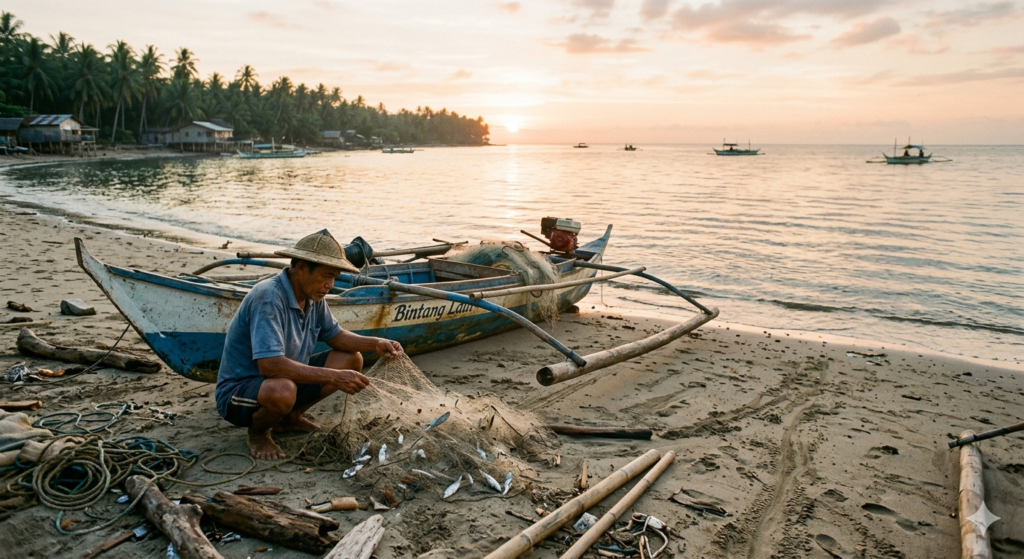
Along the coastlines of Southeast Asia, the early morning routine of fishermen setting out to sea has long symbolized resilience, tradition, and survival. But today, those same waters are telling a different story—one of shrinking catches, strained ecosystems, and communities grappling with an uncertain future.
Across countries in the region, from Indonesia to the Philippines and Vietnam, fishing communities are facing a growing challenge that threatens both livelihoods and marine biodiversity. Experts warn that Southeast Asia overfishing crisis impact communities is becoming more visible with each passing year, as fish stocks decline and competition intensifies.
For many local fishermen, the change is undeniable. Nets that once came back full are now returning with only a fraction of the expected catch. Some have been forced to travel farther into open waters, spending more time and fuel for increasingly smaller returns. This shift has not only increased financial pressure but also heightened safety risks for those venturing into deeper seas.
The roots of the problem are complex. Overfishing, driven by both small-scale and industrial operations, has significantly reduced fish populations. In some cases, illegal, unreported, and unregulated fishing practices have worsened the situation. Large commercial vessels often outcompete local fishermen, using advanced technology to harvest vast quantities of fish, leaving little behind for smaller operators.
Environmental factors are also playing a role. Climate change, rising sea temperatures, and habitat destruction—particularly of coral reefs and mangroves—have disrupted marine ecosystems. These changes affect breeding patterns and reduce the availability of key species, further contributing to the decline. As a result, impact of illegal fishing in Southeast Asia is compounded by environmental degradation, creating a cycle that is difficult to break.
In coastal villages, the effects are deeply personal. Fishing is more than just an occupation; it is a way of life passed down through generations. Families depend on daily catches for both income and food security. With dwindling resources, many are struggling to make ends meet. Some have turned to alternative work, while others remain determined to continue fishing despite the odds.
Efforts to address the crisis are underway, but progress has been uneven. Governments in the region have introduced policies aimed at regulating fishing activities, including limits on catch sizes, seasonal restrictions, and the establishment of marine protected areas. However, enforcement remains a significant challenge, particularly in remote or disputed waters.
Community-based initiatives are also emerging as a promising solution. Local groups are working to promote sustainable fishing practices, educate fishermen about conservation, and restore damaged ecosystems. These grassroots efforts are often supported by international organizations, which provide resources and technical expertise.
One example involves the restoration of mangrove forests, which serve as crucial breeding grounds for many marine species. By replanting these areas, communities are helping to rebuild fish populations over time. Similarly, the protection of coral reefs is seen as essential for maintaining biodiversity and supporting long-term sustainability.
The concept of sustainable fishing solutions Southeast Asia region is gaining traction, with increasing recognition that economic survival and environmental conservation must go hand in hand. However, achieving this balance requires coordination across multiple levels—from local communities to national governments and international stakeholders.
Technology is also being explored as part of the solution. Satellite monitoring and data tracking systems can help identify illegal fishing activities and improve enforcement. At the same time, innovations in aquaculture are providing alternative sources of seafood, potentially reducing pressure on wild fish stocks.
Despite these efforts, challenges remain. Economic pressures, population growth, and global demand for seafood continue to drive overfishing. Without sustained action, experts warn that the region could face long-term consequences, including the collapse of key fisheries and increased food insecurity.
The situation has drawn global attention, with calls for stronger international cooperation. Organizations and policymakers are emphasizing the need for comprehensive strategies that address both environmental and economic factors. The urgency of the issue is reflected in discussions around marine biodiversity loss due to overfishing crisis, which highlight the broader ecological implications.
For the people living along Southeast Asia’s coastlines, the stakes are high. The ocean has long been a source of sustenance and identity, but its future is now uncertain. As communities adapt to changing conditions, their resilience is being tested in new ways.
Some fishermen are finding hope in collective action. By working together, sharing knowledge, and adopting sustainable practices, they are striving to protect their livelihoods and preserve the marine environment for future generations. These efforts, though small in scale, represent a critical step toward addressing a much larger problem.
Ultimately, the overfishing crisis in Southeast Asia is a reminder of the delicate balance between human activity and natural resources. It underscores the importance of responsible management and the need for long-term thinking in the face of immediate challenges.
As the sun rises over the region’s vast waters, the question remains: can these communities—and the ecosystems they depend on—recover before it is too late? The answer will depend on the choices made today, both locally and globally.