West Bank Violence Escalates as Teen’s Death Intensifies Global Outrage and Calls for Accountability
The killing of a 14-year-old Palestinian boy in the occupied West Bank has sparked renewed international concern, highlighting the deepening cycle of violence between Israeli settlers and Palestinian residents. The incident, which unfolded in a tense rural area, has quickly become a flashpoint in an already volatile region, raising urgent questions about accountability, security, and the protection of civilians.
According to local reports and eyewitness accounts, the teenager was shot during a confrontation involving Israeli settlers. The situation reportedly escalated rapidly, with conflicting narratives emerging about what exactly led to the fatal moment. Palestinian officials have described the killing as unjustified and deeply troubling, while Israeli authorities have indicated that an investigation is underway to determine the circumstances surrounding the shooting.
The tragedy underscores a growing pattern that observers have been tracking for months. West Bank settler violence against Palestinians has seen a noticeable rise, with multiple incidents reported across villages and towns. Human rights organizations have repeatedly warned that tensions are reaching dangerous levels, particularly in areas where settlements are expanding or where military presence is heavy.
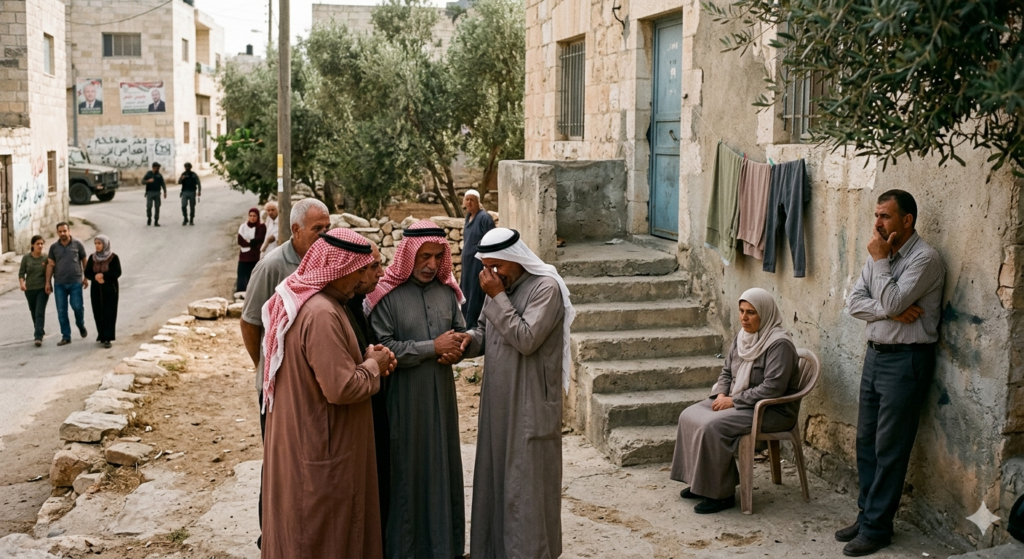
For the boy’s family, the loss is both personal and symbolic. Neighbors described him as a quiet, hardworking teenager with dreams that now remain unfulfilled. His death has sent shockwaves through the local community, prompting protests and calls for justice. Many residents fear that such incidents are becoming increasingly common, creating a climate of fear and uncertainty.
International reaction has been swift but measured. Diplomats and global leaders have urged restraint from all sides, emphasizing the need to avoid further escalation. The situation is being closely monitored as part of broader concerns about Israel Palestine conflict civilian casualties rising, a trend that has drawn criticism from humanitarian groups worldwide.
At the heart of the issue is a complex and deeply rooted conflict, where historical grievances, territorial disputes, and political divisions continue to collide. In recent months, tensions have been further inflamed by developments in other parts of the region, adding pressure to an already fragile situation. Analysts suggest that the latest incident could have ripple effects, influencing both local dynamics and international diplomatic efforts.
One of the most pressing concerns is the perceived lack of accountability in cases involving settler violence. Advocacy groups argue that investigations often fail to lead to meaningful consequences, which can embolden further acts. This has led to increasing scrutiny of international reaction to West Bank violence, with calls for stronger intervention and oversight.
Meanwhile, Israeli officials have defended their security operations, stating that they face ongoing threats and must act to protect their citizens. They have pledged to examine the circumstances of the shooting thoroughly, though critics remain skeptical about whether justice will be served.
The broader context cannot be ignored. The West Bank has long been a focal point of tension, with disputes over land, settlements, and sovereignty fueling ongoing conflict. In recent weeks, reports of clashes, arrests, and property damage have added to the sense of instability. Experts warn that without meaningful dialogue and de-escalation, the region risks sliding into even more severe unrest.
For Palestinians living in affected areas, daily life is marked by uncertainty. Movement restrictions, economic challenges, and security concerns all contribute to a fragile existence. The death of a young teenager only deepens the sense of vulnerability, reinforcing fears that civilians are increasingly caught in the crossfire.
This incident also comes at a time when global attention is divided among multiple crises. As a result, some observers worry that the urgency of the situation may not receive the sustained focus it requires. However, the emotional impact of the boy’s death has resonated widely, bringing renewed attention to Palestinian teenager killed by Israeli settlers and the broader humanitarian implications.
In the coming days, the response from both local authorities and the international community will be critical. Calls for independent investigations, transparent reporting, and concrete action are growing louder. Whether these demands will lead to meaningful change remains uncertain, but the pressure is mounting.
The tragedy serves as a stark reminder of the human cost of prolonged conflict. Behind the headlines and political statements are real lives, families, and communities grappling with loss and fear. As tensions continue to simmer, the need for a path toward peace becomes ever more urgent.
For now, the focus remains on accountability and preventing further violence. Community leaders, activists, and international observers are urging all parties to exercise restraint and prioritize the protection of civilians. The hope is that this devastating incident will not be just another statistic, but a turning point that prompts serious reflection and action.