Oil Tankers Push Through Strait of Hormuz as Global Markets Watch Iran’s Next Move
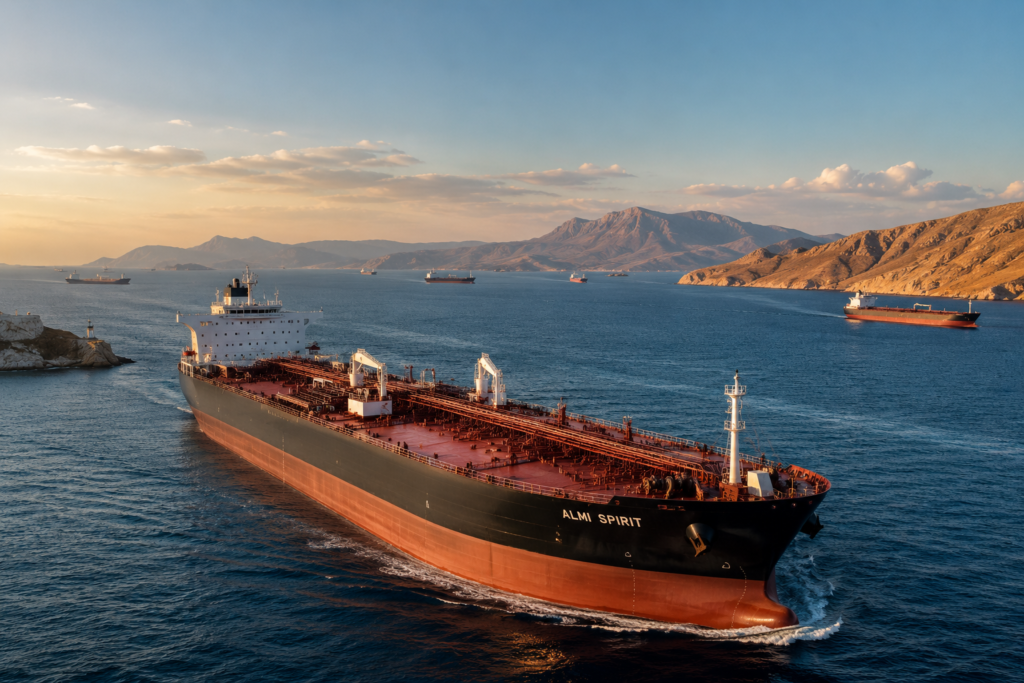
The world’s most important energy corridor remains open, but uncertainty continues to hang over the Strait of Hormuz as oil tankers cautiously navigate the strategic waterway amid ongoing tensions involving Iran, the United States, and global shipping operators.
In recent days, commercial vessels carrying millions of barrels of crude oil have successfully crossed the Strait of Hormuz, offering a measure of relief to energy markets that feared a prolonged disruption to one of the planet’s most critical trade routes. Yet despite the continued movement of ships, questions remain about the long-term stability of the region and whether political disagreements could once again threaten global energy supplies.
The Strait of Hormuz, a narrow passage connecting the Persian Gulf to international waters through the Gulf of Oman, handles roughly one-fifth of the world’s oil consumption. Any disruption in the channel has the potential to affect fuel prices, shipping costs, inflation, and economic activity worldwide.
Recent geopolitical tensions sparked widespread concerns that shipping traffic could slow dramatically or face new restrictions. However, maritime tracking data and government officials indicate that oil tankers continue to transit the route, although traffic patterns remain different from historical norms.
Industry analysts say many vessel operators are still exercising caution. Some tankers have altered routes, while others have traveled closer to Oman’s coastline to reduce perceived risks associated with the region’s ongoing security concerns. Military escorts and enhanced maritime monitoring have also played an important role in maintaining commercial navigation.
The continued movement of ships has helped calm fears of an immediate energy crisis.
Oil prices have retreated significantly from recent highs as traders gain confidence that major supply disruptions may be avoided. Increased tanker activity through the strait has reassured markets that crude exports from key Gulf producers can continue reaching customers across Asia, Europe, and North America.
Still, the situation remains highly sensitive.
Political discussions involving Washington and Tehran continue to influence expectations regarding the future of shipping operations in the region. One of the most closely watched issues has been speculation surrounding potential transit charges or fees for vessels using the waterway.
President Donald Trump recently stated that Iranian officials had indicated no tolls would be imposed on ships passing through the strait under the current diplomatic framework. That announcement was welcomed by shipping companies and energy traders who feared additional costs could ripple through global supply chains.
The debate over shipping access has become one of the most important geopolitical developments of the year.
Many governments view unrestricted navigation through the Strait of Hormuz as essential to global economic stability. Even temporary disruptions can trigger significant market volatility and affect fuel prices paid by consumers far from the Middle East.
The story has fueled growing interest in Strait of Hormuz oil tanker traffic, which remains one of the most closely monitored indicators in global energy markets.
At the same time, investors continue watching global oil supply chain security developments for signs that regional tensions could affect future energy flows.
Shipping companies are also evaluating Middle East shipping route stability, balancing commercial opportunities against evolving security considerations.
While vessel movements have increased compared with earlier periods of disruption, experts caution that a complete return to normal conditions may take time. Some shipping operators remain hesitant, and maritime insurers continue assessing risk levels throughout the region.
Another factor influencing market sentiment is the growing number of vessels resuming standard tracking procedures. During periods of heightened uncertainty, some operators temporarily limited publicly available location information. The return of more transparent navigation practices is being interpreted as a sign of improving confidence.
Meanwhile, energy officials emphasize that substantial volumes of crude oil continue moving through the corridor.
Recent figures indicate that approximately 20 million barrels of oil exited the Strait of Hormuz within a 24-hour period, underscoring the waterway’s ongoing importance to the global economy.
That reality explains why policymakers, traders, and multinational corporations remain focused on impact of Hormuz on oil prices and its potential influence on future economic conditions.
For consumers, the stakes are straightforward.
When oil flows freely through major shipping lanes, fuel markets generally remain more stable. When uncertainty rises, prices at gas stations and transportation costs throughout the economy often increase.
The latest developments have therefore provided a degree of reassurance, though experts warn against assuming the situation has been fully resolved.
The broader diplomatic environment remains fluid, and future negotiations could determine whether current improvements evolve into lasting stability or renewed friction.
In the meantime, the continued passage of commercial vessels has strengthened confidence in international maritime trade through Hormuz, a critical factor supporting global energy markets.
For now, tankers continue moving, markets remain watchful, and governments across the world are monitoring every development in a waterway that remains one of the most strategically important locations on Earth.
The Strait of Hormuz may be only a narrow stretch of water, but its influence extends across continents, affecting economies, consumers, and businesses in ways few other trade routes can match.
As geopolitical negotiations continue behind the scenes, the world will keep watching this vital maritime corridor, knowing that its future could shape energy markets for months to come.