Trump Pushes for Iran Deal as Fresh Israeli Strikes in Lebanon Highlight Fragile Regional Stability
As the United States intensifies diplomatic efforts to prevent a wider Middle East conflict, new Israeli military strikes in southern Lebanon have underscored the enormous challenges facing negotiators attempting to reduce tensions across the region.
The latest developments come as President Donald Trump’s administration continues pursuing a potential agreement with Iran while simultaneously managing escalating security concerns involving Israel, Lebanon, and Iranian-backed groups operating throughout the Middle East.
Thttps://voxenews.com/california-mcdonalds-worker-suffers-devastating-burns-after-alleged-hot-oil-attack-by-co-worker/
he renewed violence serves as a reminder that despite ongoing diplomatic conversations, the region remains vulnerable to sudden flare-ups capable of undermining broader peace efforts.
Israeli Operations Continue in Southern Lebanon
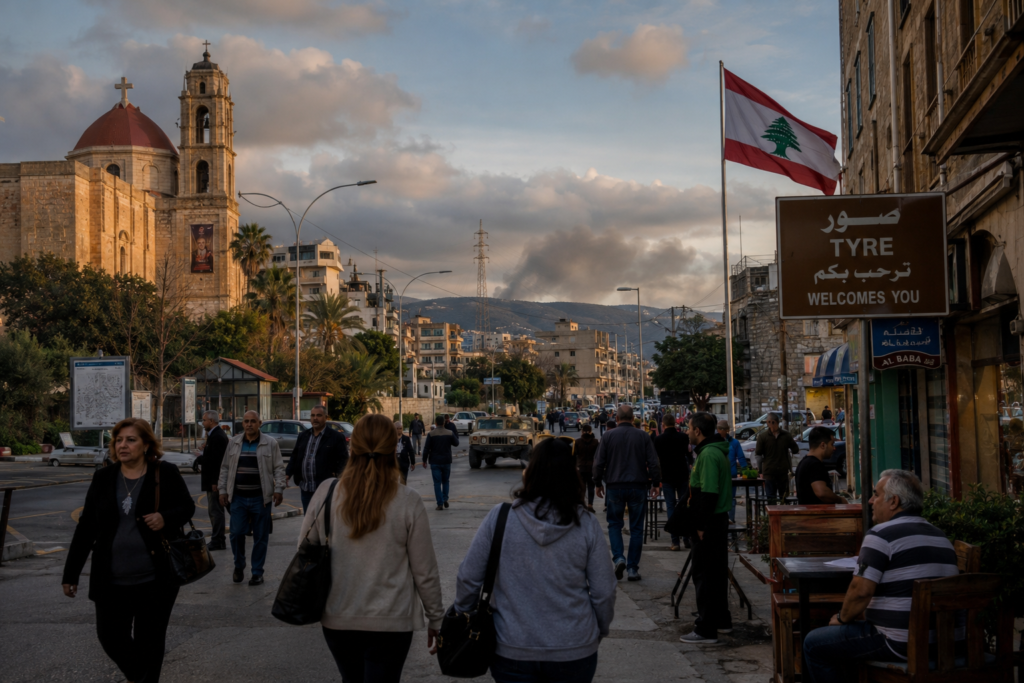
Israeli military forces conducted a series of targeted strikes in southern Lebanon, including areas near the coastal city of Tyre, according to regional officials.
Military sources said the operations were directed at individuals and locations allegedly connected to Hezbollah activities. Israeli authorities have repeatedly stated that preventing militant groups from rebuilding operational capabilities near the border remains a national security priority.
The strikes occurred despite months of international efforts aimed at reducing hostilities following previous cross-border confrontations between Israeli forces and Hezbollah fighters.
Residents in affected communities reported hearing explosions and witnessing emergency response operations in the aftermath of the attacks.
The latest developments have intensified concerns surrounding Israel Lebanon border tensions escalating, a topic drawing increasing attention from diplomats and security analysts worldwide.
U.S. Diplomatic Efforts Focus on Iran
At the same time, the Trump administration continues working toward a potential diplomatic arrangement with Iran.
American officials believe a negotiated framework could reduce regional instability, limit future military confrontations, and create new opportunities for broader security discussions involving multiple Middle Eastern nations.
However, progress has been complicated by deep mistrust between Washington and Tehran.
Years of sanctions, regional proxy conflicts, and disagreements over nuclear activities continue creating significant obstacles to meaningful diplomatic breakthroughs.
Supporters of negotiations argue that engagement remains the most effective path toward reducing long-term security risks.
Critics, however, question whether Iran is willing to make the concessions necessary for a lasting agreement.
The ongoing negotiations have fueled widespread discussion regarding Trump administration Iran nuclear negotiations, one of the most closely watched foreign policy issues currently facing Washington.
Christians in Southern Lebanon Caught in the Middle
Among those most affected by the continuing uncertainty are Christian communities living in southern Lebanon.
Many families in the region have spent decades navigating periods of conflict, ceasefires, and political instability.
Local church leaders have expressed concern that renewed military activity threatens both public safety and economic recovery efforts.
Residents say daily life has become increasingly unpredictable as security concerns continue affecting schools, businesses, and religious institutions.
While many communities remain committed to rebuilding and maintaining normal routines, fears of broader escalation persist.
The situation has generated growing attention toward Lebanon Christian communities facing conflict, particularly as humanitarian organizations monitor conditions in vulnerable areas near active security zones.
Regional Stability Remains Fragile
Security experts warn that even limited military operations can have consequences extending far beyond their immediate targets.
The Middle East remains deeply interconnected through political alliances, economic relationships, and security arrangements involving multiple countries.
As a result, incidents occurring in Lebanon frequently influence diplomatic discussions involving Israel, Iran, Syria, and other regional actors.
Analysts note that maintaining stability requires balancing military deterrence with diplomatic engagement—a challenge that has complicated international policymaking for decades.
The latest events highlight broader concerns surrounding Middle East regional security challenges, particularly as governments attempt to prevent isolated incidents from developing into larger confrontations.
International Community Watches Closely
Global leaders continue monitoring developments closely.
European governments, Gulf states, and international organizations have repeatedly emphasized the importance of preventing further escalation while encouraging diplomatic dialogue.
Several governments have called for restraint from all parties involved and urged leaders to prioritize negotiations over military solutions.
The renewed violence comes at a time when many countries are already grappling with economic pressures, energy market uncertainties, and geopolitical instability.
Any significant deterioration in regional security could produce consequences extending well beyond the Middle East.
This reality has strengthened concerns about international efforts to prevent escalation, a key focus for diplomats seeking to preserve stability across multiple conflict zones.
The Challenge Facing Washington
For the Trump administration, the situation presents a difficult balancing act.
On one hand, officials are attempting to advance diplomatic discussions with Iran.
On the other, Washington remains committed to supporting key regional allies while responding to evolving security threats.
The administration’s ability to manage both objectives simultaneously may prove critical in determining whether current tensions decrease or intensify in the months ahead.
Foreign policy experts argue that success will depend on maintaining open communication channels while preventing incidents on the ground from overwhelming broader diplomatic initiatives.
The issue has become increasingly associated with future of U.S. Middle East strategy, a debate likely to remain central to American foreign policy discussions throughout the year.
What Happens Next?
The coming weeks could prove pivotal.
Diplomatic negotiations involving Iran continue moving forward, while military developments in Lebanon remain highly unpredictable.
Regional leaders face difficult decisions as they attempt to balance national security concerns with growing calls for stability and economic recovery.
For civilians living near conflict zones, the stakes remain particularly high.
Many hope ongoing diplomatic efforts will eventually produce lasting improvements in regional security. Yet recent events demonstrate how quickly tensions can re-emerge even during periods of active negotiation.
As Washington pursues diplomatic solutions and regional actors navigate competing interests, the Middle East remains at a critical crossroads.
Whether diplomacy ultimately prevails over confrontation may help shape the region’s future for years to come.