Russian Drone Strike Near Chernobyl Sparks Global Nuclear Safety Fears as Ukraine Condemns Attack
Russian Drone Strike Near Chernobyl Sparks Global Nuclear Safety Fears as Ukraine Condemns Attack
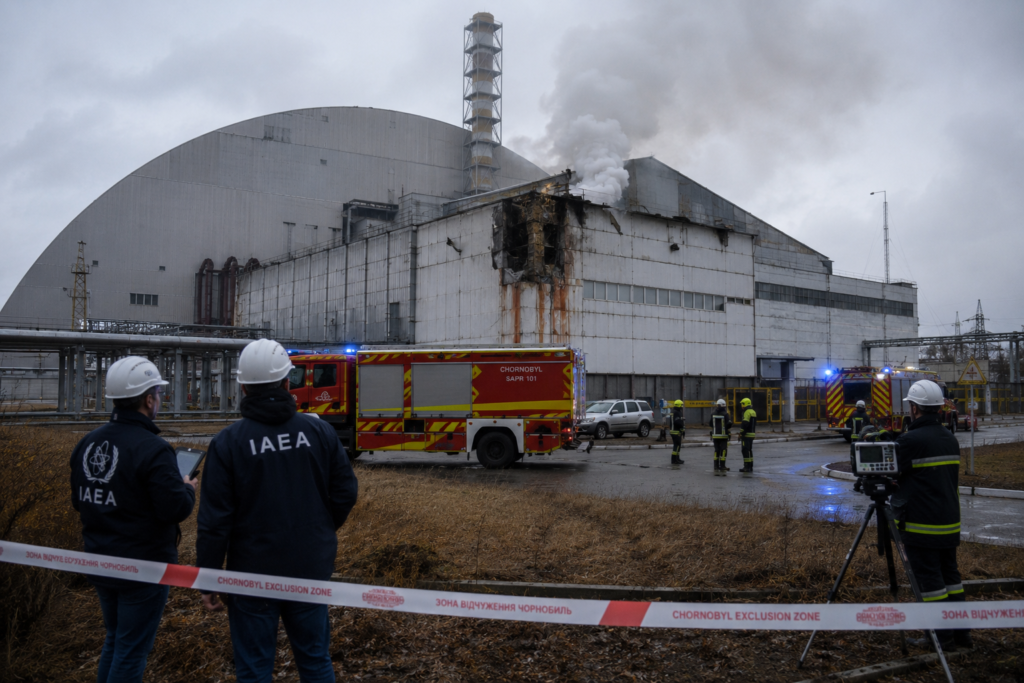
A Russian drone strike near the site of the world’s worst nuclear disaster has reignited international concerns about the risks of military operations around sensitive nuclear infrastructure.
Ukrainian officials say a Russian attack drone struck a facility connected to spent nuclear fuel storage near the Chernobyl nuclear power plant, causing structural damage and a fire that emergency crews later extinguished. While no radiation leak was detected and no injuries were reported, the incident has triggered renewed alarm among nuclear safety experts and world leaders monitoring the ongoing war in Ukraine.
The strike occurred within the Chernobyl exclusion zone, a region still associated with the catastrophic 1986 nuclear disaster that permanently altered global attitudes toward nuclear safety.
According to Ukrainian authorities, the drone hit a reception building located at a centralized spent nuclear fuel storage facility. Officials emphasized that no nuclear fuel was being stored in the damaged structure at the time of the attack, preventing what could have become a far more serious situation. A fire broke out following the impact but was quickly brought under control by emergency responders. Radiation monitoring systems showed no increase above normal background levels.
The incident immediately drew international attention because of its location near one of the most heavily monitored nuclear sites in the world.
A New Flashpoint in the Ukraine War
Ukrainian President Volodymyr Zelenskyy strongly criticized the attack, describing it as a deliberate strike against critical infrastructure and warning that continued military activity near nuclear facilities poses risks extending far beyond Ukraine’s borders. Ukrainian officials argue that attacks near nuclear sites create dangers not only for Ukraine but for Europe and the broader international community.
The incident has intensified discussion surrounding Russian drone strike near Chernobyl, a phrase rapidly gaining attention as concerns grow about the safety of nuclear facilities located in active conflict zones.
The attack comes as both Ukraine and Russia continue exchanging long-range drone strikes, with each side targeting military, industrial, and strategic infrastructure. Military analysts note that the war has increasingly evolved into a campaign of deep-range aerial attacks capable of reaching locations far from front-line combat zones.
International Nuclear Watchdog Responds
The International Atomic Energy Agency confirmed it had been informed about the strike and announced plans to inspect the site.
According to the agency, the damaged building sits only a short distance from areas where significant amounts of nuclear material are stored. Although radiation levels remain normal, officials emphasized the importance of preventing any military activity that could threaten nuclear safety systems.
The situation has placed renewed focus on nuclear infrastructure security during war, a growing concern among international policymakers as conflicts increasingly involve drones, missiles, and precision-guided weapons.
Experts warn that even when radiation is not released, repeated attacks near nuclear facilities increase the risk of accidents, operational disruptions, and public panic.
Chernobyl’s Lasting Global Symbolism
Few places carry as much symbolic weight as Chernobyl.
The 1986 reactor explosion remains the worst nuclear disaster in human history, contaminating vast areas and forcing the evacuation of entire communities. Decades later, the exclusion zone continues to require extensive monitoring and specialized safety measures.
Because of that history, any military incident near the site immediately attracts worldwide attention.
This is not the first time nuclear-related infrastructure near Chernobyl has been affected during the war. In 2025, a drone strike damaged a protective structure covering the reactor destroyed in the original disaster, prompting international concern at the time.
The latest event has revived discussion surrounding Chernobyl nuclear facility safety concerns, particularly as military operations continue across large sections of Ukraine.
Broader Concerns Across Ukraine’s Nuclear Network
The attack near Chernobyl is occurring against the backdrop of broader concerns involving Ukraine’s nuclear infrastructure.
International organizations have repeatedly warned about risks surrounding the Zaporizhzhia Nuclear Power Plant, Europe’s largest nuclear power station. The facility has faced power disruptions, military activity, and competing accusations from both Kyiv and Moscow since the war began.
The combination of drone warfare and nuclear facilities has led many experts to call for stronger international protections for civilian nuclear infrastructure.
The issue is increasingly linked to Ukraine nuclear plant security risks, a topic that continues to draw attention from governments, energy experts, and international security organizations.
Global Leaders Watch Closely
The timing of the strike is particularly significant as European leaders continue discussing support for Ukraine and potential diplomatic pathways toward ending the conflict.
Several governments have expressed concern that attacks involving nuclear-related infrastructure could further complicate efforts to reduce tensions and create conditions for future peace negotiations.
The incident also underscores how modern warfare increasingly affects facilities that were once considered largely off-limits due to the potentially catastrophic consequences of damage.
Many analysts argue that protecting nuclear sites should remain a universal priority regardless of political or military disagreements.
That concern is reflected in growing discussions around international concern over nuclear facilities, especially as conflicts involving advanced drones become more common around the world.
A Warning Beyond Ukraine
Although radiation levels remain normal and immediate danger appears to have been avoided, the strike serves as another reminder of how fragile nuclear security can become during wartime.
For many observers, the most significant lesson is not what happened—but what could have happened.
As investigators assess the damage and international inspectors prepare their review, the incident near Chernobyl is likely to remain a focal point in the broader debate over military escalation, nuclear safety, and the long-term risks posed by modern warfare.
For now, authorities say the situation remains stable. Yet the attack has once again demonstrated how quickly a regional conflict can raise concerns with global implications.