U.S.-Iran Peace Efforts Hit Major Roadblock as Strait of Hormuz Tensions Deepen Global Anxiety
Fragile hopes for renewed diplomacy between the United States and Iran suffered a major setback this week after escalating disagreements over regional security and maritime control exposed how deeply divided both sides remain on the future of Middle East stability.
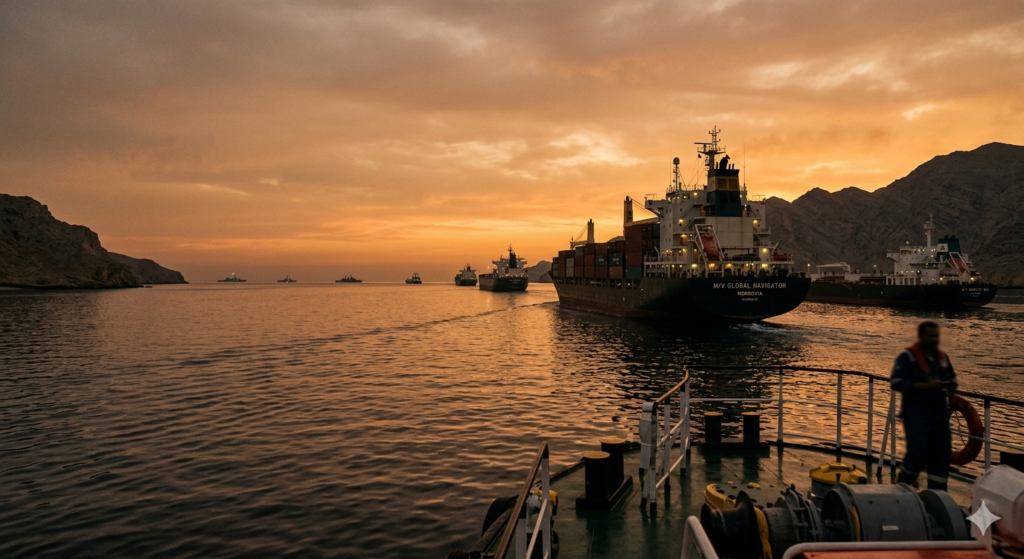
The latest tensions erupted following renewed political confrontation surrounding the Strait of Hormuz, the strategically critical waterway through which a significant portion of the world’s oil supply passes each day. The dispute has intensified concerns among global leaders, military analysts, and energy markets already worried about rising instability across the Gulf region.
At the center of the controversy are failed diplomatic expectations and increasingly aggressive rhetoric exchanged between Washington and Tehran.
Iranian officials had signaled openness to broader peace discussions tied to sanctions relief, regional security, and military de-escalation. However, momentum toward negotiations weakened sharply after strong criticism from former President Donald Trump, who reportedly dismissed parts of the proposed diplomatic framework as completely unacceptable.
The breakdown has reinforced fears that the United States and Iran may be drifting further away from meaningful dialogue at a moment when military tensions remain dangerously elevated.
International observers monitoring US Iran peace talks latest developments say the collapse in diplomatic momentum could significantly increase the risk of future confrontations throughout the Gulf region.
The Strait of Hormuz remains one of the world’s most sensitive geopolitical flashpoints.
Located between Iran and the Arabian Peninsula, the narrow waterway serves as a vital route for global oil exports and international shipping traffic. Any instability in the area immediately draws worldwide attention because of its potential impact on energy prices, trade routes, and military security.
Over the past several years, the region has repeatedly experienced maritime incidents, military patrol confrontations, drone activity, and accusations involving regional armed groups.
Those tensions have now resurfaced with renewed urgency as diplomatic efforts appear increasingly fragile.
Security analysts warn that ongoing hostility between Washington and Tehran continues creating an unpredictable environment where even minor incidents could rapidly escalate into broader conflict.
Search interest surrounding Strait of Hormuz oil shipping tensions has surged as global audiences closely follow developments tied to energy security and military activity in the Gulf.
Iranian leaders have continued emphasizing that they are prepared to defend national interests and regional influence against what they describe as American pressure campaigns and military intimidation.
At the same time, U.S. officials maintain that freedom of navigation and protection of international trade routes remain non-negotiable priorities for American foreign policy.
The competing positions have made compromise increasingly difficult.
Several regional governments are now quietly working behind the scenes to prevent the current political standoff from triggering additional instability. Gulf nations remain particularly concerned about the economic consequences of prolonged conflict, especially given ongoing volatility in global energy markets.
Oil traders and financial analysts have also reacted cautiously to the latest developments.
Even the possibility of disruptions near the Strait of Hormuz can influence fuel prices worldwide because of the region’s critical role in global energy distribution. Experts warn that sustained instability could increase inflation pressures and economic uncertainty far beyond the Middle East.
Concerns surrounding Middle East energy security crisis fears continue growing as international markets assess the potential consequences of further diplomatic deterioration between Washington and Tehran.
Inside the United States, political divisions over Iran policy remain deeply entrenched.
Some lawmakers argue that stronger pressure and military deterrence are necessary to limit Iranian influence across the Middle East. Others believe diplomatic engagement remains essential to preventing another major regional conflict involving American forces.
The disagreement reflects broader debates about America’s role in the region after decades of military involvement and geopolitical competition.
Meanwhile, officials in Tehran continue facing internal political pressure as economic sanctions, inflation, and public frustration place strain on the Iranian government domestically.
Analysts say these internal pressures may also influence how aggressively Iranian leaders approach negotiations with the United States moving forward.
Online discussions tied to Trump response to Iran negotiation proposal have expanded rapidly as political commentators debate whether the rejection of current peace frameworks could strengthen hardline positions on both sides.
Military experts remain especially concerned about the growing possibility of accidental escalation.
With naval patrols, surveillance operations, drones, and regional armed groups operating in close proximity throughout the Gulf, the risk of misunderstanding or unintended confrontation remains extremely high.
Several Western governments have already urged restraint while encouraging diplomatic communication channels to remain open despite the deteriorating political climate.
However, recent statements from leaders on both sides suggest trust remains extremely limited.
For civilians living across the Gulf region, the uncertainty continues fueling anxiety about long-term stability and economic security.
Communities connected to shipping industries, energy production, and international trade remain especially vulnerable to disruptions caused by military escalation or prolonged geopolitical instability.
The emotional and economic impact of uncertainty has become increasingly visible across financial markets and regional business sectors.
Interest surrounding global fears over Gulf conflict escalation continues climbing as international audiences follow the evolving tensions between Washington and Tehran.
Despite the collapse of recent diplomatic momentum, some foreign policy experts believe opportunities for future negotiations may still exist if both sides can avoid immediate escalation.
Others remain deeply pessimistic, warning that the current environment increasingly favors confrontation over compromise.
The situation has become particularly sensitive because neither side appears willing to publicly back down while regional security concerns continue mounting.
For now, diplomatic progress remains stalled, military tensions remain active, and the future of U.S.-Iran relations appears more uncertain than ever.
As global powers monitor developments near the Strait of Hormuz, one reality is becoming increasingly clear: the conflict between Washington and Tehran is no longer just a regional issue.
It is a global security concern with the potential to impact energy markets, international diplomacy, and geopolitical stability far beyond the Middle East.