Iran’s Parliament Speaker Signals Openness to Talks While Power Struggles Intensify Inside Tehran
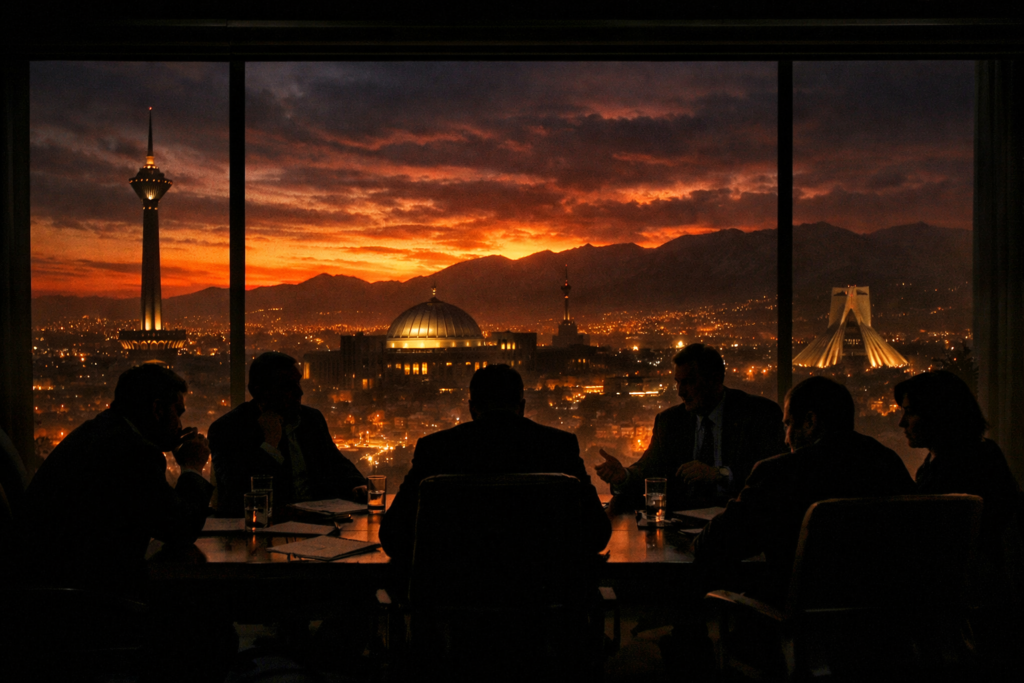
Iran’s political landscape is entering a new phase of uncertainty and strategic recalibration, as Parliament Speaker Mohammad Bagher Ghalibaf has signaled a potential openness to negotiations with the United States—while internal power dynamics within Tehran continue to grow increasingly complex.
In remarks that have drawn global attention, Ghalibaf suggested that diplomacy may not be entirely off the table, even as tensions between Iran and the U.S. remain high. His comments come at a critical moment, with regional instability, economic pressure, and shifting alliances all shaping Iran’s next move.
The statement is being interpreted by analysts as a calculated signal rather than a definitive shift in policy. While Iran’s leadership has long maintained a firm stance against direct engagement under certain conditions, Ghalibaf’s tone hints at a nuanced approach—one that balances resistance with strategic flexibility.
Observers say this reflects Iran political leadership signaling openness to negotiations, particularly as the country faces mounting economic challenges linked to sanctions and regional conflicts. With pressure building on multiple fronts, the idea of diplomatic engagement is gaining renewed attention within certain political circles.
However, the path to any meaningful dialogue remains uncertain. Iran’s political system is deeply layered, with various factions holding influence over decision-making. At the center of this structure is Supreme Leader Ayatollah Ali Khamenei, whose position ultimately shapes the country’s foreign policy direction.
Within this framework, key figures such as Ghalibaf, senior military leaders, and influential clerics play critical roles in shaping internal debates. The presence of competing priorities and perspectives has led to what many describe as internal power struggle within Iran leadership structure.
Adding to the complexity is the influence of the Islamic Revolutionary Guard Corps (IRGC), a powerful institution with significant political and military clout. The IRGC has traditionally taken a hardline stance on U.S. relations, emphasizing resistance over negotiation. Any shift toward diplomacy would likely require careful coordination across these influential groups.
At the same time, there are growing discussions about succession and long-term leadership stability. Figures such as Mojtaba Khamenei, the Supreme Leader’s son, are increasingly being mentioned in political conversations, further fueling speculation about the future direction of Iran’s governance.
These internal dynamics are unfolding against the backdrop of heightened regional tensions. From conflicts in neighboring countries to ongoing disputes with Western powers, Iran is navigating a complex geopolitical environment that demands both resilience and adaptability.
Analysts point to U.S. Iran diplomatic tensions and negotiation prospects as a key factor influencing current developments. While both sides have expressed skepticism about the other’s intentions, there is also recognition that prolonged confrontation carries significant risks.
Economic considerations are also playing a central role. Sanctions have placed considerable strain on Iran’s economy, affecting everything from oil exports to domestic industries. This has led to increased calls for solutions that could ease financial pressure while preserving national interests.
The potential for dialogue, however limited, is being viewed by some as a pragmatic step. It does not necessarily indicate a full-scale rapprochement but rather a willingness to explore options in a challenging environment. This aligns with broader trends in Middle East geopolitical shifts affecting Iran strategy, where countries are reassessing their positions in response to changing global dynamics.
Public sentiment within Iran adds another layer to the equation. While opinions vary, there is a growing awareness of the economic hardships faced by ordinary citizens. This has led to discussions about the role of diplomacy in improving living conditions, even as national pride and sovereignty remain central concerns.
International reactions to Ghalibaf’s comments have been cautious. U.S. officials have not indicated any immediate plans for renewed talks, but they continue to monitor developments closely. Allies in the region are also watching, aware that any shift in Iran’s posture could have broader implications.
Security experts emphasize that the situation remains fluid. The interplay between internal politics, economic pressures, and external threats creates a dynamic environment where outcomes are difficult to predict. As a result, global response to Iran leadership political changes is likely to evolve alongside events on the ground.
For now, Ghalibaf’s remarks serve as a reminder that even in periods of tension, diplomacy remains a potential avenue—however uncertain. They also highlight the intricate balance that Iran’s leaders must maintain as they navigate competing priorities and expectations.
As the story continues to unfold, the world will be watching closely. Whether these signals lead to tangible actions or remain part of a broader strategic narrative, they underscore the complexity of modern geopolitics and the enduring importance of dialogue in times of conflict.