Trump Weighs Targeting Iran’s Critical Oil Hub, Raising Stakes in Escalating Middle East Tensions
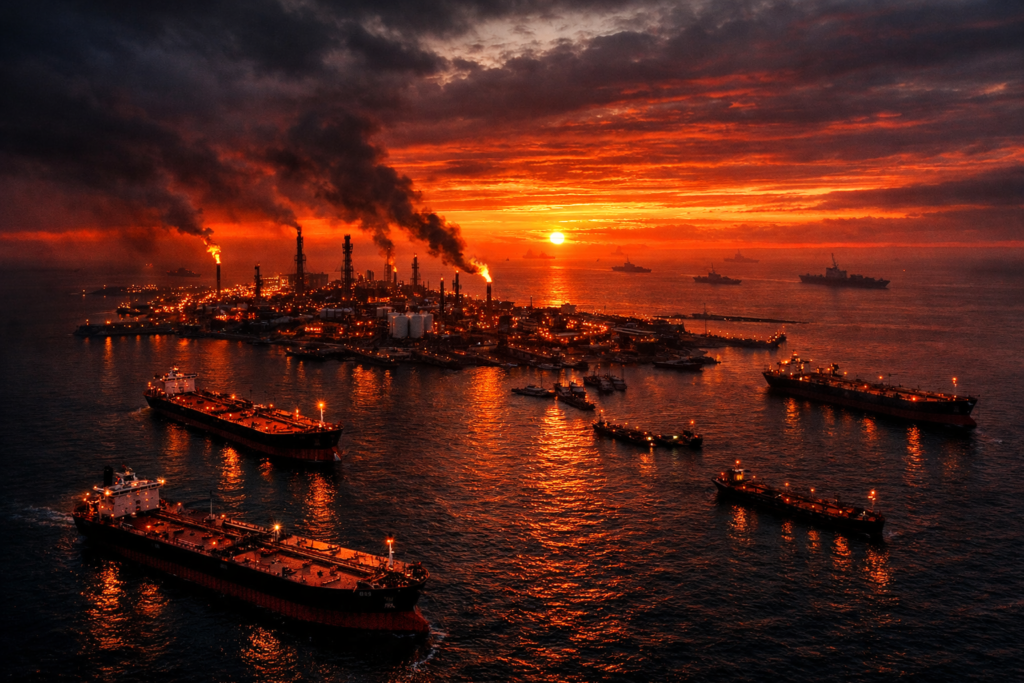
A new flashpoint may be emerging in the already volatile Middle East, as former President Donald Trump is reportedly considering a move that could dramatically escalate tensions with Iran—targeting the country’s most vital oil export facility on Kharg Island.
The possibility of such a strategy has sparked alarm among global analysts, who warn that any disruption to Iran’s oil infrastructure could trigger far-reaching consequences, not just regionally but across the global economy. Kharg Island, located in the Persian Gulf, serves as a crucial artery for Iran’s oil exports, handling a significant portion of the country’s crude shipments.
According to officials familiar with ongoing discussions, the idea of targeting this key energy hub is being weighed as part of a broader approach to counter Iran amid intensifying geopolitical friction. While no final decision has been confirmed, the mere consideration of such an action underscores the seriousness of the current moment.
Experts say that potential U.S. strike on Iran oil infrastructure would represent a major escalation, one that could provoke swift retaliation from Tehran. Iran has previously signaled that it would respond aggressively to any attack on its economic lifelines, particularly those tied to its energy sector.
The stakes are extraordinarily high. Kharg Island is not just another oil facility—it is central to Iran’s ability to generate revenue and sustain its economy under ongoing sanctions. Any disruption there could have immediate ripple effects, including spikes in global oil prices and increased instability in energy markets.
Market analysts are already watching closely, with concerns growing about global oil prices surge amid Middle East conflict. Even the perception of risk in the region can lead to volatility, as traders react to the possibility of supply disruptions.
The broader geopolitical context adds another layer of complexity. Tensions between the United States and Iran have been escalating over a range of issues, from regional conflicts to economic sanctions. In this environment, any move targeting critical infrastructure could quickly spiral into a larger confrontation.
Military strategists caution that such an action would not occur in isolation. Iran has a range of options for retaliation, including targeting shipping routes, regional allies, or U.S. assets in the Middle East. The Strait of Hormuz, a key chokepoint for global oil shipments, could become a focal point in any escalation.
This has led to increasing concern about risk of escalation in U.S. Iran conflict, particularly as both sides navigate a delicate balance between deterrence and confrontation. A miscalculation could have consequences far beyond the immediate region.
For policymakers, the decision involves weighing potential benefits against significant risks. Proponents of a more aggressive stance argue that targeting critical infrastructure could weaken Iran’s capabilities and send a strong message. Critics, however, warn that such actions could backfire, leading to unintended consequences and prolonged instability.
The international community is also closely monitoring developments. Allies and partners of the United States have expressed concern about the potential for escalation, emphasizing the need for diplomatic solutions. At the same time, some nations are preparing contingency plans in case of disruptions to energy supplies.
The situation highlights the interconnected nature of global security and economics. A single decision in one region can have cascading effects worldwide, particularly when it involves critical resources like oil. This is especially true in the current climate, where impact of Middle East tensions on oil markets is a constant concern for governments and businesses alike.
For Iran, the stakes are equally high. The country’s leadership has consistently emphasized its determination to defend its sovereignty and economic interests. Any perceived threat to Kharg Island would likely be met with a strong response, further complicating efforts to de-escalate tensions.
Public reaction within the United States has been mixed. Some view a tougher approach as necessary to address ongoing challenges, while others advocate for restraint and renewed diplomatic engagement. The debate reflects broader questions about the role of military action in foreign policy.
As discussions continue, uncertainty remains the defining feature of the situation. The lack of a clear path forward has left many observers on edge, with each new development adding to the sense of urgency.
What is clear, however, is that the potential targeting of Kharg Island represents more than just a tactical consideration. It is a decision that could reshape the trajectory of U.S.-Iran relations and influence the broader geopolitical landscape.
In the coming days and weeks, attention will be focused on whether this idea gains traction or is set aside in favor of alternative approaches. For now, the possibility alone is enough to keep markets volatile and policymakers vigilant.
The world is watching closely, aware that the next move could have consequences that extend far beyond the shores of the Persian Gulf.