Alleged Assassination Plot in U.S. Trial Reveals Trump, Biden Among Possible Targets
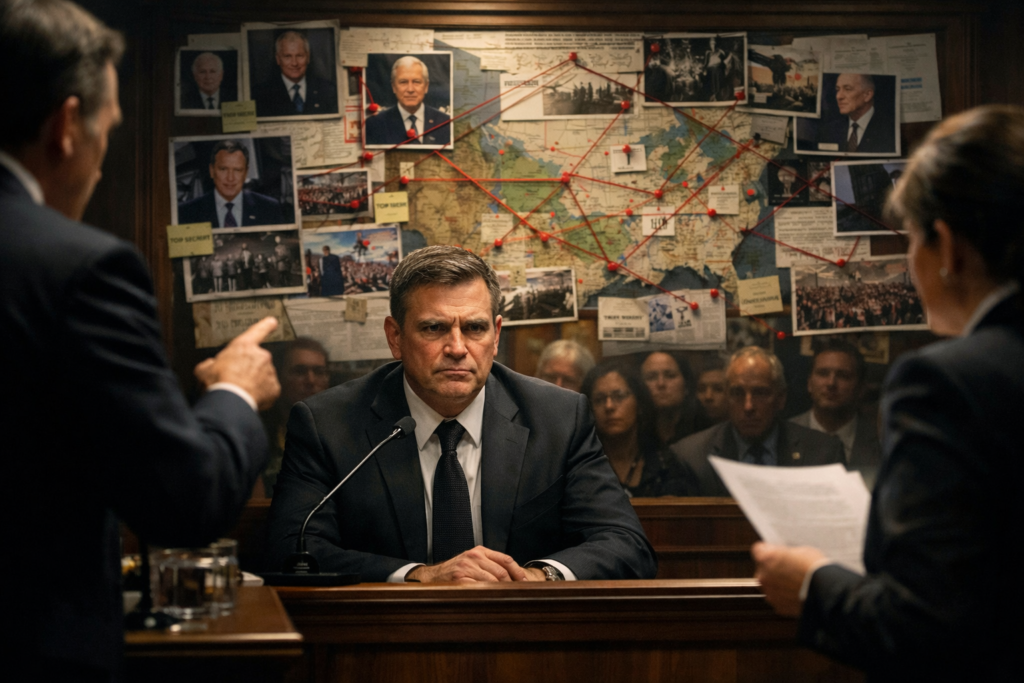
A dramatic federal trial unfolding in New York is shedding light on what prosecutors describe as a chilling international assassination plot that could have targeted some of America’s most prominent political figures.
At the center of the case is Asif Merchant, a 47-year-old Pakistani businessman accused of attempting to arrange the killing of a U.S. political leader on American soil. During testimony in court, Merchant told jurors that several high-profile figures were discussed as possible targets — including Donald Trump, Joe Biden, and former U.N. ambassador Nikki Haley.
The testimony, delivered through an interpreter, painted a picture that prosecutors say resembles a spy thriller — but one that unfolded within real U.S. borders and involved serious national security concerns.
Merchant is facing federal charges related to attempted terrorism and murder-for-hire. If convicted, he could spend the rest of his life behind bars.
Inside the Alleged Plot
According to courtroom testimony, Merchant claimed he became entangled in the plot after being approached by an intelligence operative tied to Iran’s powerful military organization, the Islamic Revolutionary Guard Corps.
The U.S. government classifies the Revolutionary Guard as a foreign terrorist organization, and prosecutors argue that the group has long sought retaliation against American leaders over past geopolitical conflicts.
Merchant told jurors that he initially interacted with the alleged handler through business contacts and financial dealings. Over time, however, he said the requests became more dangerous. Eventually, he testified, he was instructed to travel to the United States and seek out criminals who could carry out violent operations.
Those operations, Merchant said, could include staging protests, committing theft, laundering money — and possibly arranging a political assassination.
When asked in court who the potential targets might be, Merchant said the Iranian contact mentioned three names: Trump, Biden, and Haley.
The Government’s Case
Federal prosecutors argue that Merchant went beyond simply discussing a plan. They say he actively tried to recruit people in the United States to carry out the attack.
Unbeknownst to him, however, the individuals he contacted were cooperating with federal authorities.
According to evidence presented in court, Merchant believed he was negotiating with professional hitmen. In reality, the men were undercover law enforcement operatives working with the FBI.
During meetings recorded by investigators, Merchant allegedly outlined a plan that involved attacking a political rally — a setting where a large crowd and media presence could amplify the impact of an assassination.
Investigators say he even conducted research on campaign events connected to Trump and other political figures while preparing the plan.
In one key meeting at a modest motel in New York City, prosecutors say Merchant handed over $5,000 in cash to the supposed hitmen as an initial payment.
The exchange became a central piece of evidence in the government’s case.
A Defense Built on Fear
Merchant does not deny discussing a potential assassination plan. But his defense hinges on a different explanation.
Taking the stand in his own defense, he told jurors that he never truly intended to carry out the plot.
Instead, he said he was acting under extreme pressure after his alleged handler threatened family members living in Iran.
“My family was under threat,” Merchant testified, explaining that he believed refusing the assignment could put his relatives in danger.
He said the operative had detailed knowledge about his family’s location and warned him that harm could come to them if he failed to cooperate.
According to Merchant, he believed the plan would collapse before any violence occurred. He told jurors that he expected American authorities to intercept him before the plot could move forward.
In fact, he said he hoped that by cooperating after his arrest he might receive leniency from the U.S. government.
The Arrest
Authorities arrested Merchant in July 2024 after months of surveillance and undercover operations.
Investigators say the arrest came just before any attack could be carried out.
The timing was striking. Merchant was taken into custody one day before a separate and unrelated assassination attempt targeted Trump at a campaign rally in Pennsylvania — an event that shook the country and heightened fears about political violence.
Law enforcement officials have emphasized that the two incidents are not connected.
Still, the proximity of the events has intensified the focus on threats against American political leaders and the growing concern about international plots reaching U.S. soil.
Questions Raised in Court
Prosecutors remain skeptical of Merchant’s claim that he was merely pretending to cooperate with the alleged Iranian handler.
In court filings, they note that Merchant never contacted U.S. law enforcement before his arrest to report the threats or seek help.
They also pointed out that during initial interviews with investigators, Merchant failed to mention several key details about being coerced or acting under duress.
Government attorneys argue that the evidence shows a deliberate attempt to organize a political killing rather than a reluctant participant trying to escape danger.
A Case With Global Implications
The trial is unfolding at a tense moment in international politics, particularly in the relationship between Washington and Tehran.
For years, Iran has been accused of seeking retaliation against American officials involved in past military decisions and sanctions against the country.
Security experts say the case highlights the growing complexity of modern security threats — where international intelligence operations, digital communications, and global travel can intersect in unpredictable ways.
It also underscores how vulnerable political events and public rallies can be.
In the United States, presidential campaigns often involve large public gatherings, making them attractive targets for anyone seeking maximum attention or disruption.
What Happens Next
As the trial continues, jurors will weigh a complicated narrative that includes espionage claims, international politics, undercover FBI operations, and the defendant’s assertion that he acted under pressure.
The case raises difficult questions: Was Merchant a willing participant in a foreign-backed assassination plot, or a man caught in a dangerous web of threats and fear?
Ultimately, the jury will decide.
But regardless of the verdict, the trial has already revealed a disturbing reality — that alleged plans targeting America’s top political figures can emerge from unexpected places, reminding the nation that the line between global conflict and domestic security is often thinner than it appears.