What We Learned About the State of Donald Trump’s Voter Coalition From Conversations With 50 Voters
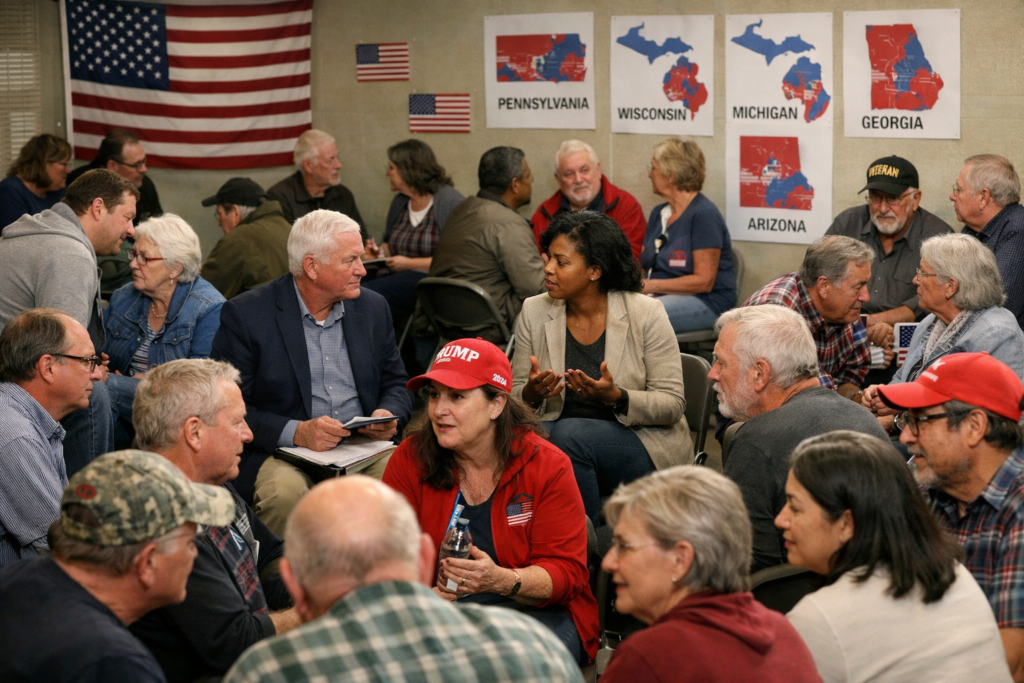
WASHINGTON — As President Donald Trump’s coalition of supporters continues to play a defining role in American politics, a new look at what voters are saying reveals insights into why his base remains robust — and where it’s shifting heading into the 2026 midterm elections. In a series of in-depth conversations with 50 voters across several key states, political analysts and reporters found that many of the people who helped propel Trump back into the White House last year still firmly support him — even as some express nuanced concerns about specific policy issues.
One major takeaway from these interviews is how loyal Trump’s core voters remain on issues like the economy, immigration and conservative judicial appointments. Many supporters said they believe Trump delivered on promises to strengthen the economy and enforce stricter border controls, which continues to resonate with longtime Republican voters who feel these issues directly affect their daily lives and job prospects.
At the same time, the conversations show that some voters in Trump’s coalition are wrestling with complex emotions and mixed views. Although they remain aligned with Trump overall, a few expressed worries about the political climate and push for greater attention on issues like healthcare affordability and general government responsiveness. In particular, some voters emphasized that they want leaders who demonstrate both policy competence and respect for democratic norms, even if their partisan loyalties remain strong.
Experts say this blend of unwavering enthusiasm from a core subset and cautious optimism from other parts of the coalition underscores both the strength and fragility of Trump’s political support. Strategists note that a broad coalition that once relied heavily on white, non-college-educated voters and rural communities is now seeing changes in demographic mix and voter motivation — partly because Trump’s message has shifted to include economic growth and national security themes that appeal to some moderate constituencies.
Some analysts also point to data indicating that while Trump’s support among older voters remains solid, there’s movement among younger voters and diverse ethnic groups that political campaigns will be watching closely as the country moves toward the next major election cycle. This evolving landscape means both Republican and Democratic strategists are paying attention to how issues like jobs, inflation, and immigration policy could reshape voter priorities in 2026.
Ultimately, while the Trump coalition remains robust in many respects, the nuanced insights from these 50 voters highlight areas of potential vulnerability and opportunity. As both parties prepare for future contests, understanding the diverse motivations within Trump’s support base will be critical to predicting electoral outcomes in swing states and national races.