Unexpected Neurological Symptoms You Should Never Ignore — What Experts Want You to Know
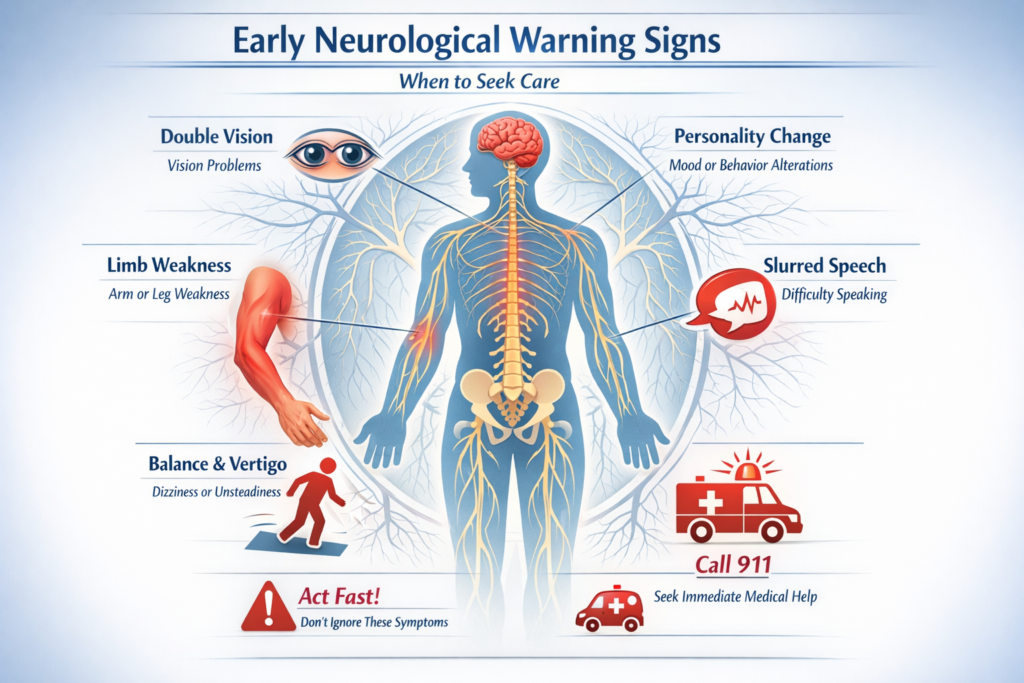
Every day, people experience bodily sensations they chalk up to stress, tiredness, aging — or imagination. But neurologists warn that what many consider “weird” or minor symptoms can sometimes be early indicators of serious nervous system disorders. Because the brain and nerves control virtually every part of your body, unusual signals deserve attention from doctors — and in some cases, urgent evaluation, say specialists.
TIME asked leading neurologists which symptoms are commonly overlooked — yet medically significant — and why paying attention to them could save lives or prevent long-term disability. This guide breaks down these symptoms, explains what they might mean, and tells you when to take action.
Why Neurological Symptoms Matter
The nervous system — made up of the brain, spinal cord and an intricate network of nerves — orchestrates everything from movement and sensation to memory, emotion and balance. Dr. Andrew Dorsch, a neurology specialist, notes that “there’s nerves everywhere in the body”, which means that almost any unusual physical experience could involve the nervous system.
Because of this complexity, people sometimes dismiss odd sensations — like sporadic vision changes, muscle twitches or sudden behavior shifts — as nothing serious. But neurologists caution that ignoring these signs can delay diagnosis of conditions with serious consequences.
1. Sudden Double Vision or Vision Changes
Double vision in just one eye, or noticeable shifts in how you see, can point to disorders affecting the brain or optic nerve. Such symptoms may result from multiple sclerosis, a stroke, aneurysm, brain tumor, or infection.
Sudden onset blurred or double vision should prompt immediate medical attention — especially if it occurs alongside other neurological signs like weakness or dizziness. Often, physicians will order urgent imaging tests like a MRI or CT scan to rule out emergencies.
2. Weakness in One Side of Your Body
Experiencing muscle weakness — especially in one hand or one leg — is more than just “feeling tired.” It may be the first sign of a stroke, brain tumor, multiple sclerosis, or serious inflammation affecting the nervous system.
People often blame such weakness on a pinched nerve or old injuries. But neurologists say that when weakness appears gradually or suddenly without clear cause, immediate medical evaluation is important. Early detection can be critical — particularly with stroke, where every minute counts.
3. Transient Unresponsiveness or Blank Stares
Have you ever “zoned out,” staring into space, then suddenly snapped back to your surroundings? You might think it’s stress or distraction. But neurologists say this kind of brief unresponsiveness — sometimes lasting only seconds — can be a sign of temporal lobe seizures, a type of epilepsy.
If family members or colleagues note that you or a loved one routinely experience this and cannot recall those moments, it’s worth discussing with a neurologist. These episodes may require testing, like an electroencephalogram (EEG), to assess brain wave activity.
4. Speech Changes and Trouble Expressing Words
Sudden difficulty speaking — such as slurred, slow, or soft speech — can signal a neurological event including a stroke, muscular disorder, or conditions like amyotrophic lateral sclerosis (ALS).
Neurologists differentiate types of speech changes. For example, wet dysarthria — where speech sounds gurgly or as if saliva is trapped — may indicate nerve or muscle involvement in the throat. Persistent voice changes warrant prompt evaluation.
5. Sudden Severe Headaches During Physical Effort
Headaches are extremely common — most people have experienced them. But a headache that is unusually intense, sudden, and triggered by physical exertion might be more than a tension headache. It could be related to bleeding around the brain or blood vessel stress, which calls for urgent care.
If such pain comes on very suddenly (often described as “worst headache of my life”), even in the absence of other symptoms, urgent medical assessment is recommended.
6. Persistent Numbness and Tingling
Pins-and-needles, numbness or tingling sensations — especially when one side is affected or it persists — often tells neurologists that nerve signals are not transmitting properly. This sensation could be a sign of conditions ranging from peripheral neuropathy to stroke or multiple sclerosis.
If numbness or tingling interferes with daily activities, or occurs suddenly, a neurological exam and imaging can help clarify the cause.
7. Persistent Loss of Balance or Dizziness
Occasional bouts of dizziness are usually harmless. But persistent unsteadiness, unprovoked balance loss, or a sense of the world spinning — known medically as vertigo — may be more serious. These can stem from inner ear conditions, cerebellar disorders, or even brainstem dysfunction.
When dizziness is severe, lasts for hours, recurs frequently, or comes with nausea and visual disturbance, neurologists often recommend further testing to rule out structural or neurological abnormalities.
8. Persistent Muscle Twitching or Fasciculations
Most people experience harmless muscle twitches occasionally. But if these become persistent, widespread, or begin to interfere with regular activity, they may warrant medical attention. Neurologists call these twitches fasciculations, and while sometimes benign, they can also be early signs of nerve disorders like ALS or chronic inflammatory conditions.
An electromyography (EMG) — a test that checks the electrical activity of muscles — is often used to explore the cause of persistent twitches and guide diagnosis.
9. Frequent Déjà Vu Episodes
Most people have experienced déjà vu — that uncanny feeling that a moment just happened before. But neurologists warn that recurring, frequent episodes can be a sign of seizure activity, particularly within the temporal lobes of the brain.
If déjà vu happens repeatedly without an obvious trigger, it’s worth discussing with a neurologist, especially if it occurs alongside other subtle neurological symptoms.
10. Abrupt Personality or Behavioral Changes
Unexpected shifts in personality — such as unfounded paranoia, inappropriate hypersexual behavior, withdrawal, compulsive actions, or abrupt mood swings — can sometimes reflect underlying neurological conditions, including frontotemporal dementia, autoimmune encephalitis, or other cognitive disorders.
These changes are often noticed first by family or coworkers rather than by the individuals experiencing them, so attentive observers can play a key role in early detection.
When to Seek Care: Red Flags and Best Practices
Emergency: Sudden weakness, facial droop, slurred speech, or loss of vision — these are potential stroke signs and require immediate medical attention.
Prompt Evaluation: New onset double vision, persistent numbness, or changes in speech warrant a neurological work-up.
Watchful Monitoring: Symptoms like recurring déjà vu or transient blank spells should be logged and discussed with your primary care doctor or neurologist to determine need for further testing.