U.S. Pledges $2 Billion in Humanitarian Aid to United Nations Amid Global Funding Shortfall
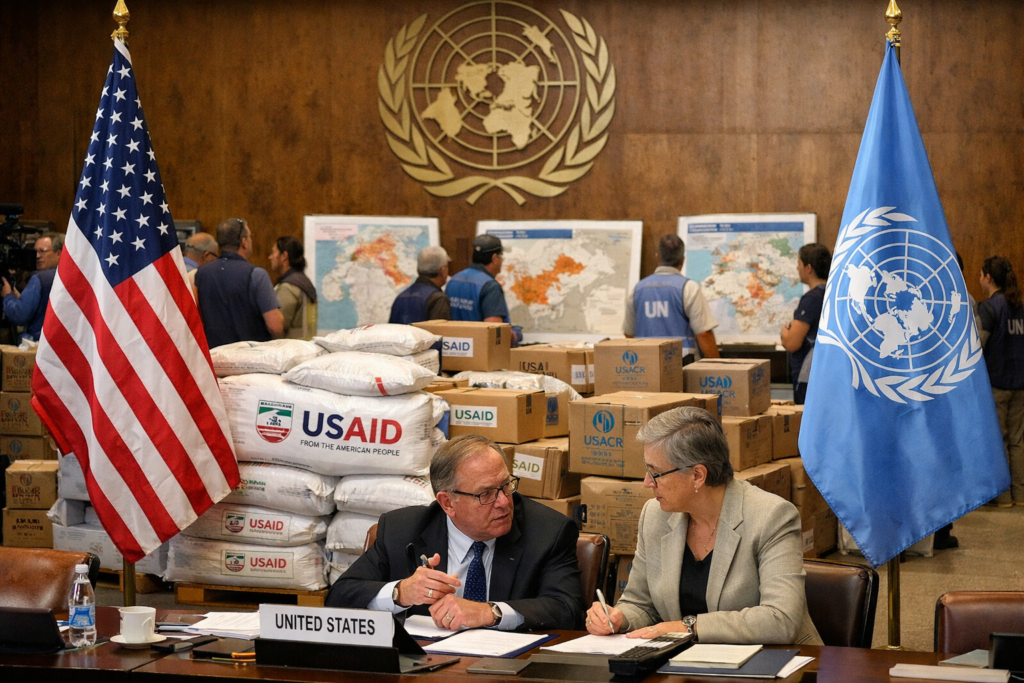
WASHINGTON — The United States has announced a $2 billion pledge in humanitarian support to the United Nations, a move aimed at alleviating a global aid funding crisis that has left many of the world’s most vulnerable populations at risk, a senior U.S. State Department official said Monday. The fresh commitment comes amid steep cuts to U.S. and other Western foreign assistance this year and growing concerns from aid organisations about unmet needs around the world.
The $2 billion contribution is intended to help the U.N. respond to urgent needs for food, shelter, medical care and emergency relief in conflict zones and disaster-affected regions. However, analysts say the level of funding remains a fraction of past U.S. humanitarian contributions — which once exceeded **$14 billion in 2024 — and reflects the Trump administration’s broader shift in foreign aid policy amid budget realignments and defence spending priorities.
Earlier this month, the United Nations appealed for $23 billion in funding to support humanitarian operations in 2026, a figure representing nearly half of the record $47 billion sought for 2025 as emergencies multiply worldwide. The funding gap has forced U.N. agencies to make “brutal choices” about how to prioritise life-saving programmes, the U.N. aid chief warned, with millions at risk of hunger, displacement and critical health crises without adequate support.
The U.S. pledge comes as traditional Western donors such as Germany, Britain and France have also scaled back foreign aid, reallocating budgetary resources toward military and defence priorities. State Department officials say the new $2 billion humanitarian commitment will be channelled through a consolidated fund, with further details on distribution and timing to be outlined in coordination with U.N. partners in the coming weeks.
Humanitarian organisations welcomed the additional resources but cautioned that more sustained investment is essential to meet rising global needs. “Every dollar counts when children are starving, families have been forced from their homes, and health infrastructures are collapsing,” said one aid worker involved in U.N. relief operations. Aid leaders also emphasised the importance of stable, predictable funding, which they say is crucial for planning longer-term humanitarian interventions.
The funding announcement — arriving at the end of a challenging year for humanitarian assistance — underscores the tension between foreign policy priorities and global responsibility. With multiple conflicts, climate disasters and refugee crises converging, the U.S. contribution seeks to shore up international relief efforts at a time when many partner nations are narrowing their aid budgets.