U.S. Faces Turmoil: Minneapolis ICE Shooting, Oil Tanker Seizures, Protests, and Geopolitical Ripple Effects
Washington, D.C. — A series of dramatic events unfolding across the United States and abroad has dominated national headlines this week, marking what many analysts are calling a pivotal moment in domestic law enforcement scrutiny, international policy enforcement, and geopolitical tension.
From a controversial fatal shooting during an immigration enforcement operation in Minneapolis to high-stakes naval actions in the North Atlantic involving sanctioned oil tankers, the U.S. finds itself at the center of heated debates both at home and on the global stage.
Deadly Minneapolis Incident Sparks National Debate
On January 7, federal law enforcement officials with Immigration and Customs Enforcement (ICE) fatally shot a woman in Minneapolis during what was described by U.S. authorities as an “immigration-related operation.”
According to the Department of Homeland Security, the incident occurred when a group of people blocked ICE agents, and the woman, seated in an SUV, drove toward officers in a manner federal officials characterized as a threat to their safety. One agent was reportedly struck by the vehicle, prompting the use of lethal force.
However, city officials and local leaders have strongly disputed the federal description. Minneapolis Mayor Jacob Frey called the actions “reckless and unnecessary,” stating that publicly released footage does not clearly show the woman using her vehicle as a weapon. Critics have raised questions about possible excessive use of force and called for an independent investigation.
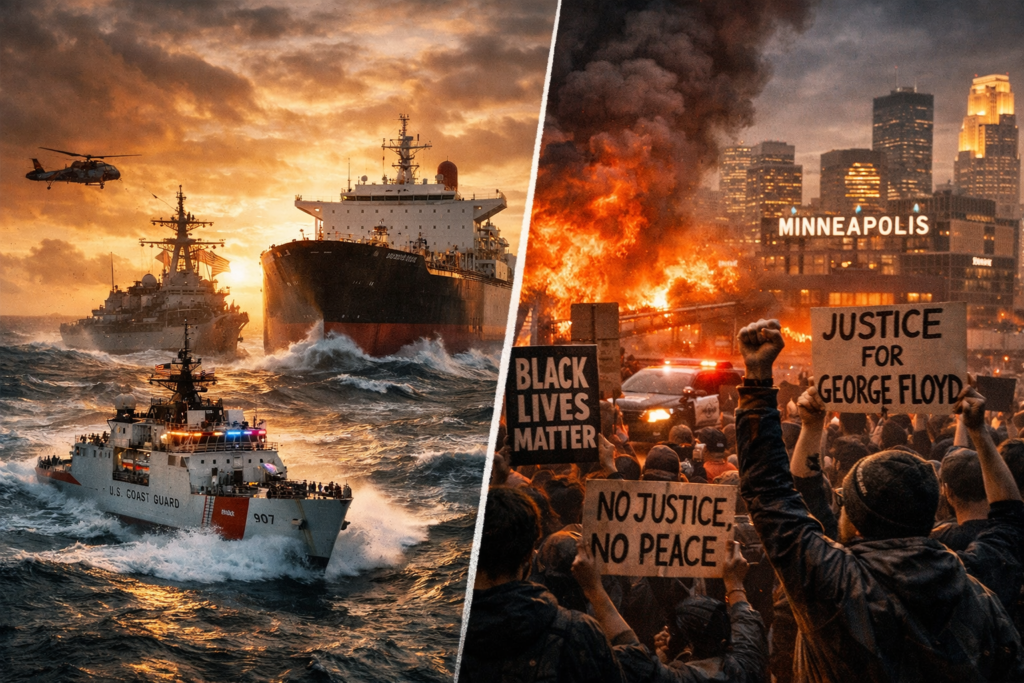
The shooting has triggered protests in Minneapolis and other cities across the country, with demonstrators demanding accountability, clearer use-of-force guidelines for immigration enforcement agents, and broader immigration reform.
Multiple community organizations and civil rights groups have announced demonstrations this week, emphasizing systemic concerns about federal law enforcement engagement in local communities.
Oil Tanker Seizures Escalate International Tension
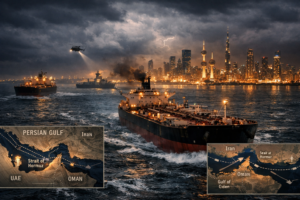
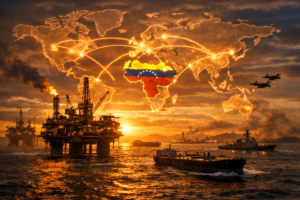
In a separate but equally impactful development, U.S. military and law enforcement agencies successfully seized a Russian-flagged oil tanker in the North Atlantic following a weeks-long maritime pursuit. The vessel — renamed the Marinera after changing its identity from Bella I — had been evading U.S. enforcement efforts tied to sanctions enforcement and illicit oil shipments connected to Venezuela and Iran.
U.S. officials revealed that the tanker was part of what is commonly referred to as a “ghost fleet,” a hidden network of vessels that attempt to bypass international sanctions and transport oil for sanctioned regimes. The operation involved coordinated action by the U.S. Coast Guard, Navy, Department of Justice, and Department of Homeland Security, with allied support in monitoring and logistics.
The seizure took place thousands of miles from U.S. shores after the tanker repeatedly changed course and flags to avoid interception, raising significant enforcement and jurisdictional challenges. Intelligence analysts say it represents one of the most aggressive sanctions enforcement maneuvers the U.S. has undertaken in recent years.
Russia’s government has condemned the action, arguing that the seizure violated international maritime law and asserting that the tanker was legitimately registered. Officials in Moscow have demanded guarantees for the safety of the crew and called for diplomatic engagement — deepening tensions between the two nations.
Political Fallout and Lawmaker Responses
Domestically, the Minneapolis shooting has reverberated through the political landscape. Several lawmakers have spoken out, with some Republican leaders backing federal law enforcement’s account of self-defense, while Democrats and civil liberties advocates have criticized the incident and pressed for oversight.
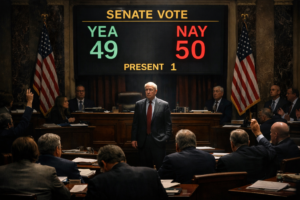
Meanwhile, the international oil tanker seizure has prompted bipartisan debate in Congress about the use of military force in enforcing sanctions in international waters. Some legislators praise the administration’s firm stance on sanctions enforcement and national security, while others warn that such actions risk military escalation or retaliation.
Protests and Public Reaction
Across several major U.S. cities, including Minneapolis and New York, protest organizers have mobilized rallies in response to the Minneapolis incident. Demonstrators have expressed outrage over what they see as unchecked federal force, connecting this controversy to ongoing national debates over policing, immigration policy, and civil rights protections.
Advocates are also linking the tanker seizure to broader concerns about U.S. foreign policy and energy strategy. Some environmental and peace groups argue that military involvement in global energy disputes diverts attention from domestic issues like climate policy and economic inequality.
Geopolitical Implications Beyond U.S. Borders
Experts say the seizure of the Marinera — especially after it was documented changing flags to avoid sanction enforcement — reflects a growing international struggle over energy resources, sanctions, and geopolitical influence. The involvement of Russia, Iran, and Venezuela in these shadow oil networks has drawn scrutiny from multiple governments and could recalibrate alliances and diplomatic posture in the months ahead.
International law scholars note that actions like this raise complex questions about maritime jurisdiction, the enforcement of economic sanctions, and the rights of vessels on the high seas. Depending on Russia’s response and whether foreign governments challenge the legal basis of the seizure, diplomatic tensions may escalate.
What Comes Next
With protests continuing in American cities and diplomatic tensions brewing internationally, the coming days are likely to see increased scrutiny of both federal law enforcement practices at home and American enforcement of sanctions abroad.
Federal authorities have pledged transparency in the Minneapolis investigation and have reiterated their stance on the tanker seizures as legitimate actions under U.S. law. However, legal experts suggest that additional investigations, congressional hearings, and international legal challenges could follow.
As the nation watches these events unfold, community leaders, military experts, and foreign governments alike will be closely monitoring how the U.S. balances domestic accountability with its evolving role on the world stage.