U.S. Braces for 2026 Changes: New Laws, Midterm Politics, AI Rules, Health Care and Paid Leave Debates
WASHINGTON, D.C. — As the 2026 midterm elections approach, dozens of major legal and political developments are reshaping the American political landscape, from state-level policy changes to fierce national debates over healthcare, artificial intelligence regulation and paid-leave benefits.
In states across the country, new laws are poised to take effect in 2026 that will alter everything from labor protections to AI oversight. For example, Illinois is ending its statewide grocery tax, imposing stronger AI safeguards in hiring practices, expanding protections for first responders and tightening gun-safety rules — a preview of the broader patchwork of state regulations coming next year.
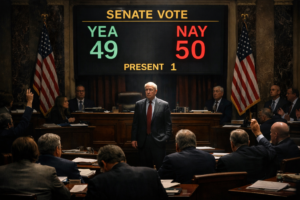
At the federal level, lawmakers are locked in political battles that could define the balance of power in the November 3, 2026 midterms, where all 435 U.S. House seats and 35 Senate seats are up for grabs.
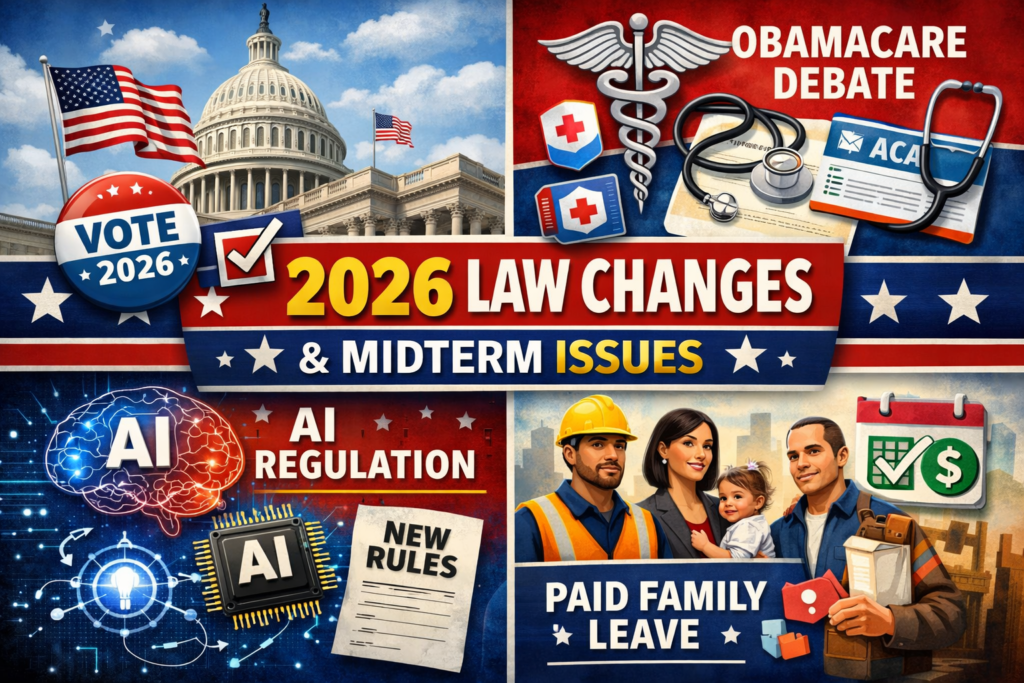
One of the most contentious issues involves Obamacare marketplace subsidies under the Affordable Care Act (ACA). Enhanced tax credits that helped millions afford health insurance are set to expire, raising alarm about sharply rising premiums and potential increases in the uninsured population unless Congress reaches a bipartisan extension deal. Experts say this could become a focal point in campaign messaging across battleground states.
At the same time, the federal government’s One Big Beautiful Bill Act — a major legislative package enacted in 2025 — will bring significant changes in 2026, including expanded tax credits for employers offering paid family and medical leave and increased childcare-related benefits. These changes are expected to shape both employment practices and political debates in the coming year.
Artificial intelligence is another growing policy front. States are moving forward with laws to regulate AI use in workplaces and online, reflecting rising public concern about bias, transparency and algorithmic discrimination — a trend likely to continue well into 2026.
Taken together, these legal and political shifts — from state statutes to national election issues and ongoing healthcare and benefits reforms — underscore the consequential year ahead for American voters, policymakers and employers alike.