U.S. and Israel Launch Major Strikes on Iran, Tensions Explode Across Middle East
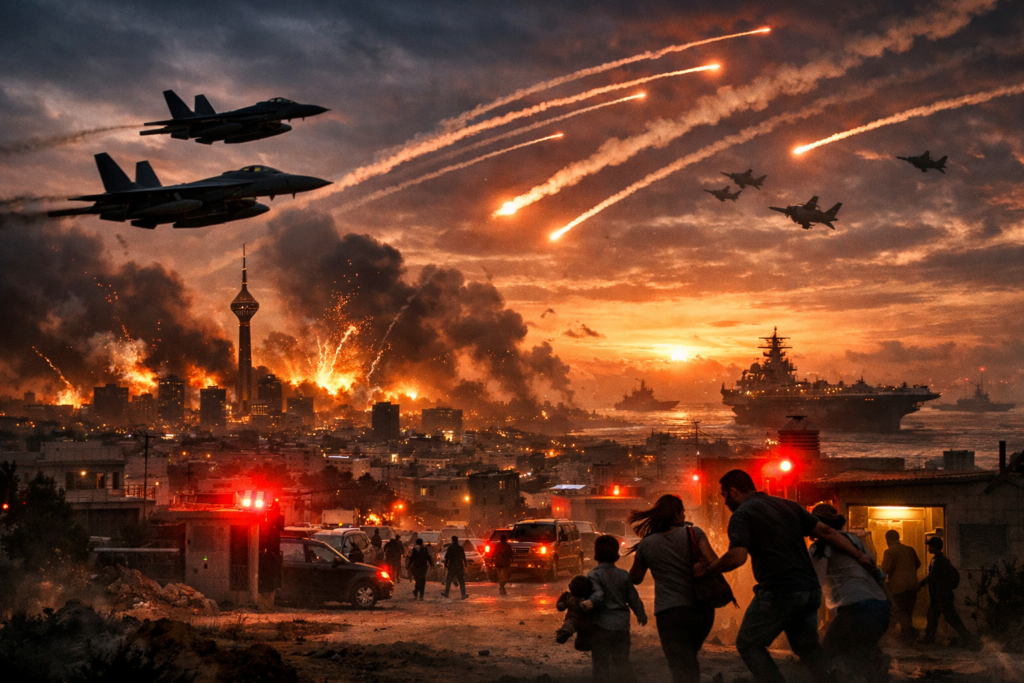
In a sudden and dramatic escalation of already volatile Middle East tensions, the United States and Israel launched coordinated military strikes against Iran early Saturday, plunging the region into uncertainty and raising fears of a broader U.S.–Iran military conflict escalation. The unprecedented offensive — dubbed “Operation Lion’s Roar” by Israeli officials — marks one of the most significant military actions involving Washington and Tel Aviv in decades and immediately prompted retaliatory missile fire from Tehran.
Israeli leaders announced the preemptive strike, explaining that they acted to “remove imminent threats” emanating from Tehran, particularly concerning its nuclear and ballistic missile programs. Explosions were reported across the Iranian capital of Tehran and other cities, including Isfahan and Qom, as air-raid sirens wailed and smoke rose in thick plumes above urban skylines. Iran’s government shuttered its airspace indefinitely in response, and widespread flight cancellations followed as tension rippled through global travel networks.
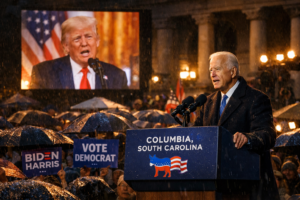
The United States reportedly participated in the operation alongside Israel, with President Donald Trump characterizing the mission as a necessary effort to degrade threats from the Iranian regime. Trump’s statement framed the joint action as not only a tactical military response but as part of a long-term strategy to pressure Tehran after months of deadlocked nuclear negotiations. Meanwhile, Israeli Prime Minister Benjamin Netanyahu echoed that message, asserting that the strikes aimed to neutralize what he described as an existential danger to his country.
For ordinary residents in the region, the conflict’s sudden flare-up has been jarring. In Israel, sirens blared nationwide and civilians were urged to move to shelters after reports of potential retaliatory missile attacks. Nearby, airports including Israel’s main international hub suspended operations as officials prioritized safety and diverted flights. In Tehran, the sounds of explosions echoed through densely populated areas, and families sought cover amid uncertainty.
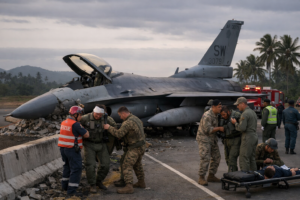
The impact of the strikes went beyond Tehran’s city limits. Iran responded by launching missiles across the Gulf region, reportedly targeting military bases and creating a broader regional flashpoint that drew in additional nations. Intercepts by defense systems were reported, indicating heightened alertness among U.S. and allied forces stationed in the Gulf. This marked the first major volley of Iranian retaliation since the joint U.S.–Israel offensive began, emphasizing how swiftly the situation escalated.
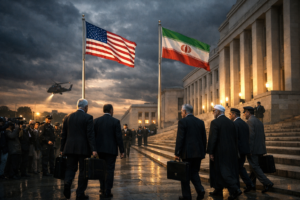
The sharp turn in hostilities comes against a backdrop of years of acrimony over Iran’s nuclear ambitions and longstanding U.S.–Iran tensions. Earlier in 2026, indirect negotiations had been underway in hopes of curbing Tehran’s nuclear activities in exchange for eased sanctions — a diplomatic push that ultimately stalled amid deep disagreements over inspections and missile program limits. The recent decision by Israel and the United States to adopt forceful military measures signaled that diplomatic avenues are fraying under the strain of geopolitical realities.
One of the central questions as the conflict unfolded was the whereabouts of Iran’s Supreme Leader, Ayatollah Ali Khamenei. Iranian officials announced that the 86-year-old leader had been relocated to a secure location prior to the strikes, highlighting how seriously authorities were taking the threat to their leadership. Whether Khamenei or other senior figures were directly targeted remains uncertain, but the strategic nature of the strikes underscored the high stakes at hand.
Worldwide reactions were swift. Governments across the globe scrambled to assess the risks for their citizens and interests. Several nations — including India — issued advisories urging citizens in both Israel and Iran to remain indoors, stay in contact with local embassies and exercise extreme caution amid the uncertainty. These advisories reflected the rapidly shifting dynamics and concerns about the potential for violence to spread beyond the immediate conflict zone.
Meanwhile, military planners in Washington and allied capitals monitored unfolding developments closely. The surge of U.S. forces into the region in recent weeks — including warships, fighter jets and other assets — was seen in some circles as a deterrent, but the joint strikes may indicate that deterrence has given way to direct engagement. Whether additional countries will be drawn into the conflict, or whether regional alliances will solidify around the opposing sides, remains a major question for analysts.
On the ground, the human cost is uncertain. Initial reports focused on explosions and missile launches rather than confirmed casualty figures, but past conflicts in the same theater have demonstrated how quickly violence can lead to loss of life, displacement and civilian hardship. The explosion of a hospital in a previous Iran-Israel war in 2025 reminded the world that even medical facilities can become tragically entangled in broader military clashes.
Public sentiment in the United States is also likely to be tested. Opinion remains divided over America’s role in foreign military interventions, particularly when they involve direct engagement with another nation’s territory. Supporters of the strikes argue that decisive action was necessary to safeguard national and allied security, especially given Iran’s missile capabilities and its history of proxy conflicts throughout the region. Critics, however, emphasize the danger of open-ended conflict and the potential for destabilization that extends far beyond the original flashpoint.
As the situation continues to evolve, global markets, diplomatic channels and humanitarian organizations will be watching for signs of either escalation or de-escalation. For now, civilians in the Middle East brace themselves for the uncertainty that comes with war, as leaders weigh their next moves in a conflict that began with a profound shift in military strategy — and that may shape the geopolitical landscape for years to come.