U.S. and Iran Nuclear Talks Resume Amid Growing Tension, Military Buildup, and Missile Warnings
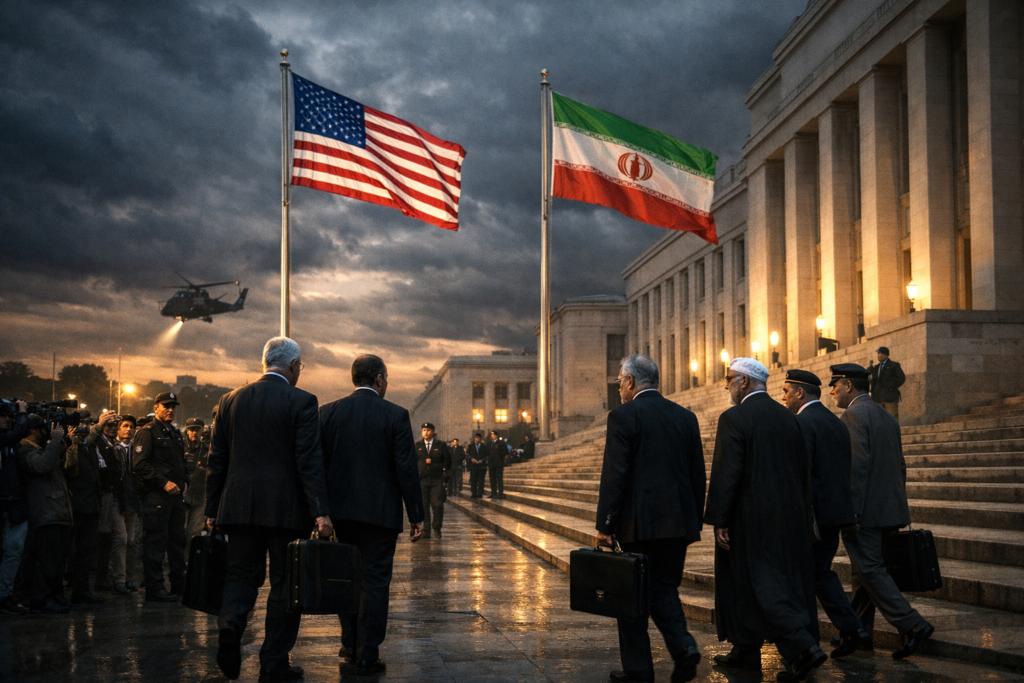
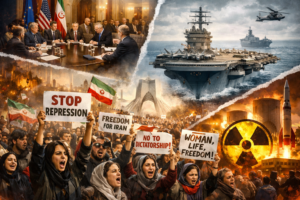
Geneva — In the heart of a chilly winter, U.S.–Iran nuclear talks resume this week, but the backdrop is anything but calm. Leaders in Washington and Tehran are sitting down once again in hopes of charting a diplomatic path forward — even as each side’s rhetoric and military posture have many in the international community nervously watching the unfolding U.S.-Iran geopolitical standoff.
For months, American officials have argued that Tehran’s nuclear program poses a serious challenge to global security. In speeches and diplomatic engagements, President Donald Trump and senior advisors have repeatedly stressed that Iran’s current track record raises concerns about its intentions and regional influence. Meanwhile, Iranian leaders have pushed back hard, accusing the United States of exaggerating threats and engaging in what they call geopolitical pressure and misinformation.
This week’s negotiations represent the third round of indirect nuclear talks in Geneva — a continuation of intermittent diplomacy that has stretched over years between Washington and Tehran. Both sides agree that an agreement is possible, yet they also insist on conditions that have historically complicated progress.
On the American side, officials have made it clear that U.S. national security priorities with Iran extend beyond nuclear limitations. “We’re here to make sure Iran does not acquire a nuclear weapon,” one U.S. official said ahead of the meetings, while emphasizing that the White House prefers diplomacy over conflict. But even with diplomacy as the stated goal, the Trump administration has issued stern warnings: time is not infinite, and patience has limits.
Earlier this month, the president set what many analysts are calling an informal deadline — saying Iran has about 10 to 15 days to produce tangible progress in the negotiations, or risk facing the consequences. While Trump stressed he wants a deal, he also made it very clear that the United States is prepared to act militarily if necessary. This has amplified fears that U.S. military buildup in the Middle East could escalate tensions rather than calm them.
Across the Atlantic and Middle East, Tehran’s leaders are responding with equal resolve. Iranian officials have publicly rejected some of the harsher Western characterizations of their intentions, calling certain claims overblown or inaccurate. Iran’s foreign ministry has accused Washington of spreading “big lies,” particularly about the scale and aims of its nuclear and missile programs. From Tehran’s perspective, assertions that Iran is actively trying to build nuclear weapons or long-range missiles capable of hitting the U.S. mainland are unfounded. Iranian spokespeople stress their right to pursue peaceful nuclear technology — a stance they reiterate frequently during diplomatic engagements.
Yet, tensions have only mounted. The United States has dramatically increased its military presence in the Middle East, deploying aircraft carriers and combat units to the region. American officials insist this is meant to deter aggressive actions and protect U.S. interests, but many observers see it as a clear signal of pressure. This U.S. Middle East force buildup ahead of Iran talks has heightened anxiety in capitals around the world.
Adding another layer, Congress and public opinion in the United States reflect a mix of concern and skepticism. A recent national poll showed that while many Americans view Iran as a potential threat due to its nuclear ambitions, there is also widespread doubt over the president’s judgment on the use of military force. A large portion of the population supports diplomatic efforts, even as the White House pursues a harder line.
Amid these shifting political currents, oil markets have also reacted. Traders, investors, and energy analysts are keeping close tabs on the situation, aware that any disruption — whether through conflict or sanctions — could affect global energy supplies. Prices have fluctuated as the latest round of talks began, reflecting the deep uncertainty that persists.
At the same time, Tehran has shown some openness to compromise — but with conditions. Iranian leaders have said a deal might be “within reach,” provided diplomacy is treated as the priority, not sidelined by public threats or military posturing. This balancing act underscores the fragile nature of negotiations: progress in private meetings could falter if public statements undermine trust.
Notably, America’s approach has also included an expanding array of economic sanctions targeting Iranian individuals, companies, and even shipping vessels allegedly linked to oil sales or weapons programs. These sanctions are designed to squeeze Iran’s economy and undercut its ability to finance activities that the United States views as destabilizing.
But Tehran has vowed not to be deterred, reinforcing that its nuclear program is intended for civilian purposes and asserting its right to defend itself against external threats. Iranian officials have also stressed their willingness to be flexible, though they stop short of conceding on key demands such as rights to enrich uranium.
This current phase of negotiations comes three weeks after a formal announcement that indirect talks would resume in Geneva. Delegations from both sides have been preparing, aware that domestic political pressures in each nation could greatly influence the sticking points they encounter at the table.
Whether meaningful progress can be made remains uncertain. On one hand, American negotiators have signaled a readiness to keep pushing for limits on Iran’s nuclear capabilities and missile development. On the other hand, Iranian representatives have emphasized sovereignty, dignity, and the right to peaceful technological advancement.
Many diplomats and foreign policy experts stress that the stakes of these talks go beyond the immediate dispute. A successful agreement could temper decades of hostility, reduce the risk of military confrontation, and provide a pathway toward stability in a region often defined by conflict. Conversely, a breakdown in negotiations — especially with military pressure rising — could inflame tensions and lead to outcomes neither side truly wants.
For now, both sides return to the table in Geneva with cautious optimism, guarded expectations, and the weight of global eyes watching every public statement and private exchange. The world hopes that this third round of talks will steer toward compromise and away from confrontation, offering a glimpse of diplomacy’s potential even amid immense uncertainty.