Trump’s Planned Summit With Xi Jinping Faces New Complications as Global Tensions Reshape U.S.–China Diplomacy
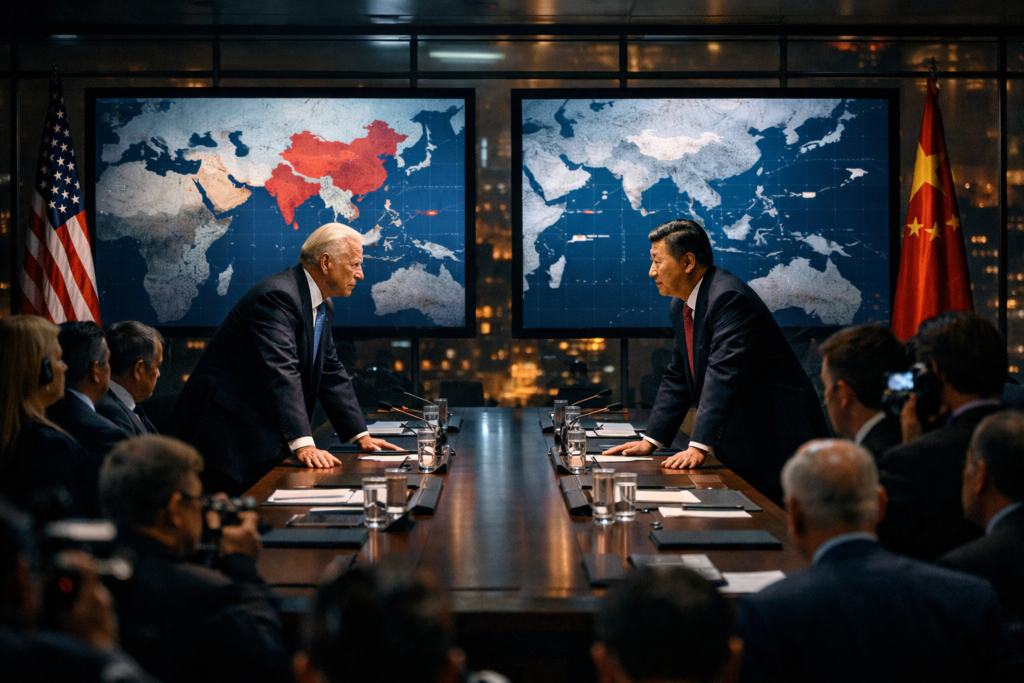
The highly anticipated meeting between Donald Trump and Xi Jinping was already expected to be one of the most consequential diplomatic moments of the year. But as global tensions escalate and geopolitical calculations shift rapidly, the upcoming summit between the United States and China now appears far more complicated than anyone predicted just weeks ago.
For months, officials in Washington and Beijing had quietly worked to prepare the ground for talks between the two leaders. The goal was simple but ambitious: ease mounting tensions between the world’s two largest economies and open a new chapter in U.S.–China relations. Trade disputes, technology competition, and strategic rivalry had defined the relationship in recent years. Yet both sides seemed willing to explore whether dialogue could stabilize a fragile partnership.
Now, the situation has changed dramatically.
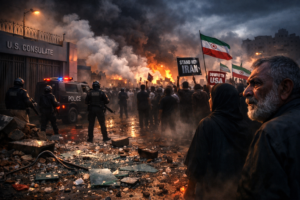
A series of military and geopolitical developments in the Middle East has added new uncertainty to the diplomatic equation. The United States’ involvement in a widening conflict involving Iran has reshaped global power dynamics and forced governments across the world to reconsider their strategic positions. China, which maintains economic ties with Iran and depends heavily on energy supplies from the region, suddenly finds itself navigating a complicated diplomatic landscape.
For Beijing, the stakes are enormous. China is one of the largest buyers of Iranian oil, and any disruption to energy flows from the Persian Gulf could send shockwaves through its economy. Analysts say that if tensions threaten key shipping routes—especially the strategic Strait of Hormuz—China could face significant energy supply challenges.
That reality has injected new urgency into the upcoming Trump–Xi meeting.
Originally expected to focus heavily on economic cooperation and trade disagreements, the summit may now be dominated by security issues and geopolitical tensions. Diplomats from both countries acknowledge that the evolving Middle East conflict has changed the tone of the upcoming talks.
In Washington, officials believe the situation may strengthen the United States’ negotiating position. The Trump administration argues that recent military actions demonstrate American resolve and global influence. Some policymakers believe this may give the United States additional leverage in discussions with Beijing.
But others caution that the situation could just as easily complicate diplomacy.
China has publicly criticized military operations in the region and warned against actions that could destabilize the global order. Beijing has consistently emphasized the importance of diplomacy and restraint, framing itself as a supporter of international stability. This difference in perspective could create friction during the summit discussions.
Despite these challenges, neither side appears ready to abandon the planned talks.
The relationship between the United States and China remains one of the most consequential partnerships in the world. Together, the two nations account for nearly 40 percent of the global economy, and decisions made by their leaders ripple across international markets, supply chains, and security alliances.
Trade remains a central issue.
Over the past several years, tariffs and economic competition have strained relations between Washington and Beijing. The two governments have engaged in an ongoing trade dispute involving billions of dollars in tariffs and restrictions on critical technologies.
During previous negotiations, the two sides attempted to ease tensions through limited agreements. China pledged to purchase more American agricultural goods, including soybeans, while the United States reduced some tariffs on Chinese imports. Beijing also temporarily delayed restrictions on exports of rare earth minerals—materials that are essential for manufacturing electronics, electric vehicles, and advanced military technology.
Still, those measures were widely seen as temporary fixes rather than long-term solutions.
Experts say deeper disagreements remain unresolved, particularly in areas like artificial intelligence, semiconductor technology, cybersecurity, and global supply chains. These strategic industries are increasingly viewed as battlegrounds in the competition for global technological leadership.
The upcoming summit was supposed to offer a chance to address some of those unresolved issues.
But now, geopolitical tensions may overshadow economic negotiations.
For example, Washington has been strengthening alliances across the Indo-Pacific region, reinforcing military partnerships with countries that share concerns about China’s growing influence. Beijing views many of these moves as attempts to contain its rise as a global power.
At the same time, China has been expanding its diplomatic and economic outreach across Asia, Africa, and the Middle East through major infrastructure initiatives and strategic partnerships.
Against this backdrop, the meeting between Trump and Xi carries enormous symbolic and strategic importance.
Diplomatic analysts say both leaders have strong incentives to maintain dialogue despite disagreements. For Trump, progress with China could provide economic stability and political momentum at home. For Xi, maintaining stable relations with Washington is critical to sustaining China’s economic growth and avoiding deeper global isolation.
Financial markets are watching closely as well.
Even small shifts in U.S.–China relations can influence global stock markets, energy prices, and international trade flows. Investors around the world are waiting to see whether the summit leads to cooperation—or signals a new phase of rivalry between the two powers.
Many experts believe the outcome will likely fall somewhere in between.
Instead of a sweeping breakthrough, the meeting may produce incremental progress—agreements on specific economic issues, commitments to continued dialogue, and perhaps new diplomatic channels to manage future crises.
Still, the atmosphere surrounding the summit has clearly changed.
What was once envisioned as a cautious step toward stability is now unfolding in the shadow of global tensions and geopolitical uncertainty.
As the leaders prepare to meet, one thing is becoming increasingly clear: the future of U.S.–China relations will not be shaped by economics alone. Military conflicts, strategic alliances, energy security, and technological competition are all now part of the conversation.
When Trump and Xi sit down together, they won’t just be negotiating trade deals.
They’ll be navigating one of the most complex geopolitical relationships of the 21st century.