Sudden Trips, Security Lapses Put Spotlight on Steve Witkoff and Marco Rubio’s Diplomacy — U.S. Officials Clash Over Russia-Ukraine Strategy
WASHINGTON, D.C. — Growing scrutiny over unexpected diplomatic trips and alleged security lapses involving U.S. envoy Steve Witkoff has thrust a spotlight on the foreign policy approach of the Trump administration, with critics also questioning Secretary of State Marco Rubio’s leadership on Russia-Ukraine diplomacy. The unfolding controversy comes as Washington intensifies its global engagements — from Caribbean operations to Europe security talks — and underscores tensions within U.S. diplomatic ranks.
Witkoff, a prominent real estate executive turned special envoy, has been involved in a series of rapid, unplanned trips to Moscow and other capitals, according to critics, without the customary use of secure communication protocols or coordination with established foreign service channels. Some observers argue that these high-profile visits and organizational missteps reflect broader security coordination challenges in U.S. diplomacy.
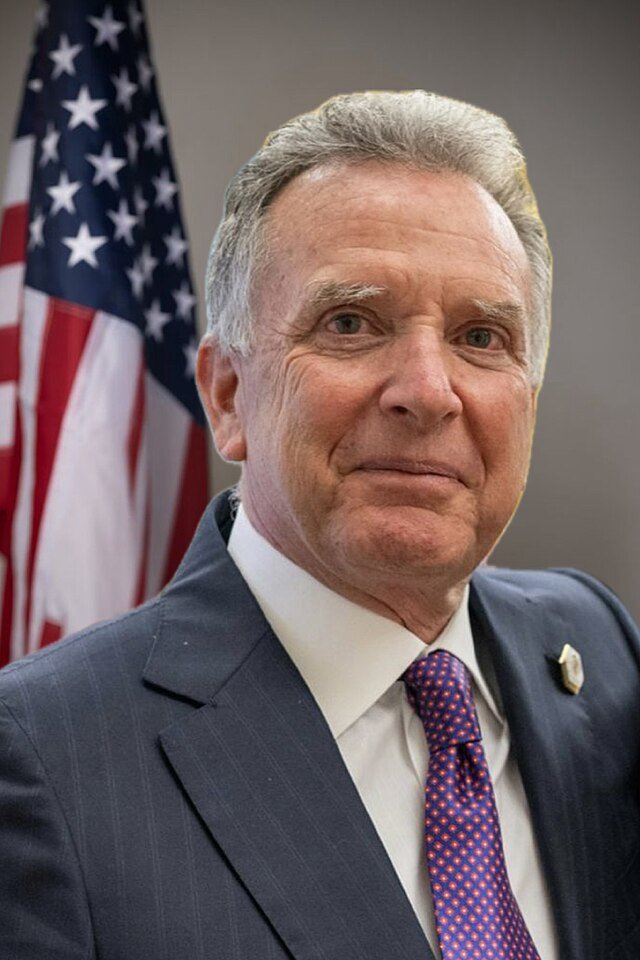
U.S. Envoy’s Sudden Diplomatic Trips Raise Security Questions
Officials and foreign policy experts have raised concerns about the frequency and urgency of Witkoff’s travel, particularly to Russia — where geopolitical tensions remain high amid the ongoing Ukraine conflict and escalating U.S. operations in the Caribbean against sanctioned oil tankers. Rubio, who oversees U.S. diplomacy as secretary of state, has publicly defended American strategy while also confronting internal disagreements within the administration about how to project U.S. policy abroad.
Critics say Witkoff’s approach, which has sometimes departed from established diplomatic norms, including limited use of standardized secure communications, has created vulnerabilities in how U.S. foreign policy messages are delivered and perceived abroad. These lapses come at a time when the United States is facing heightened scrutiny over its global posture, especially in relation to Russia and Venezuela.
Rubio Faces Pressure Amid Overlapping Foreign Policy Challenges
As secretary of state, Marco Rubio has been at the center of several major foreign engagements in 2025, including discussions on Russia-Ukraine security cooperation, meetings with NATO partners, and diplomatic outreach across the Western Hemisphere. Rubio’s leadership style — combining assertive rhetoric with a hands-on approach to global hotspots — has drawn praise from some quarters but criticism from others who see friction between career diplomatic protocols and the White House’s political objectives.
Rubio has also sought to reassure global and domestic audiences that U.S. policy toward Russia, especially in the context of the Ukraine war and concerns over Russian support for Venezuelan president Nicolás Maduro, remains firm without risking direct escalation. He recently told reporters the United States “is not concerned about an escalation with Russia,” even as American troops, warships, and aircraft remain positioned in the Caribbean following recent maritime seizures and sanctions enforcement.
Security Communication and Diplomacy Protocol Concerns
Foreign policy experts say that security lapses — including failures to fully use encrypted communications and coordination channels — can undermine U.S. credibility and expose sensitive negotiations to interception or misinterpretation. They argue that sudden diplomatic trips should be matched with rigorous planning and secure diplomatic practices, particularly when dealing with powerful nations like Russia or complex multi-national coalitions.
These concerns align with broader debates in Washington over how best to balance political appointee involvement with professional foreign service expertise — a balance that critics argue has been tested repeatedly in 2025 amid high-stakes negotiations and sensitive geopolitical maneuvers.
What This Means for U.S. Foreign Policy Going Forward
The scrutiny over Witkoff’s trips and the debate around Rubio’s diplomatic coordination come as the United States pursues an assertive global posture, including seismic naval deployments in the Caribbean, enforcement actions against sanctioned oil tankers near Venezuela, and sustained engagement with European and Asian partners on security issues. To many analysts, these developments signal that U.S. diplomacy is increasingly operating in high-risk arenas where lapses or mixed messages could have strategic consequences.
With calls for more transparency and stronger alignment between political appointees and career diplomats, the controversy highlights a core challenge for the Trump administration and the State Department: how to ensure that America’s foreign policy assertiveness abroad is matched by discipline, security, and coherent diplomatic execution at every level.