Saudi Arabia Steps Up in Post-War Syria With Massive Investment Push – What It Means for the Middle East and the World
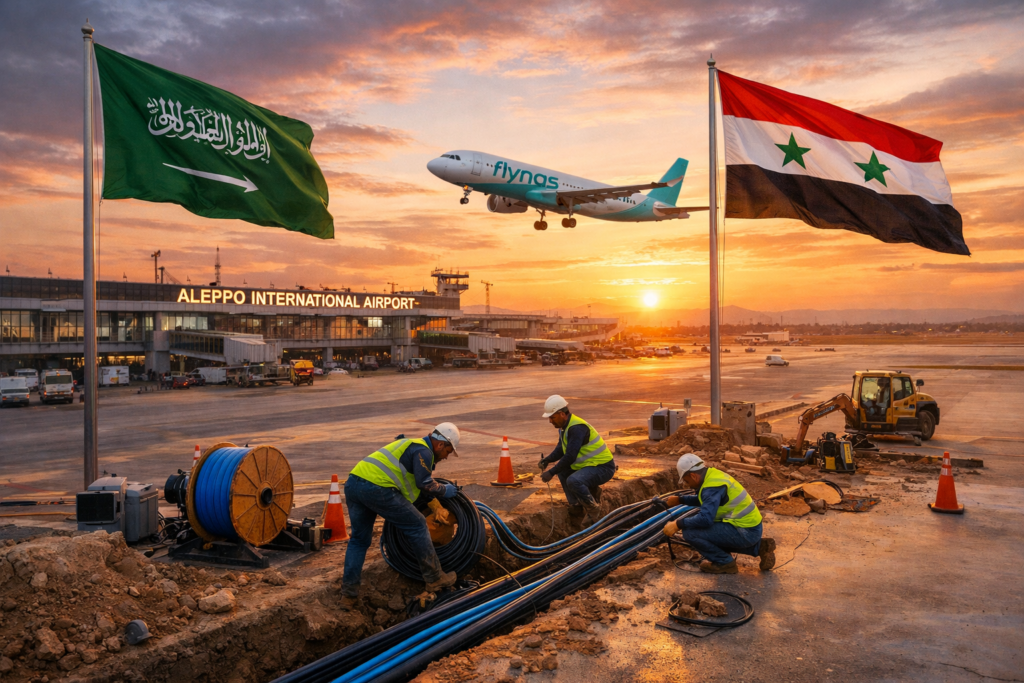
In a move that could reshape the future of the Middle East, Saudi Arabia announced a sweeping investment package in war-torn Syria this week. The agreements — worth billions of dollars — are the most substantial economic commitments to Syria since U.S. sanctions were lifted late last year, signaling a historic shift in regional dynamics and a possible pathway toward reconstruction after more than a decade of conflict.
This development is more than an economic story — it’s a political milestone that reflects changing alliances, fragile hopes for peace, and the complex balance of power in the region.
A New Chapter Between Riyadh and Damascus
On Saturday, Saudi Arabia and Syria formally signed a series of multibillion-dollar investment agreements in Damascus. The deals span key sectors from aviation and telecommunications to infrastructure and water systems, with the goal of reinvigorating Syria’s economy and strengthening diplomatic ties between the two nations.
Saudi investment officials unveiled a $2 billion commitment through the Elaf Fund, dedicated to ambitious projects like upgrading two airports in Aleppo — one of Syria’s largest and most hard-hit cities. In addition, the kingdom is pouring funds into building a new low-cost airline with Syrian partners, modernizing telecom systems, and improving vital services across the country.
These agreements come as Syria’s interim government, led by President Ahmed al-Sharaa, attempts to navigate the tough road from war toward recovery. After years of isolation under the regime of Bashar al-Assad and crippling international sanctions, this flurry of investment could mark a turning point for Syria’s global reintegration.
Connecting People and Places: Aviation Deals at the Center
One of the most talked-about components of the investment package is a new joint airline venture between Saudi Arabia’s budget carrier flynas and the Syrian Civil Aviation Authority. The airline — tentatively called “Flynas Syria” — is expected to start service in late 2026, opening new corridors for travel and business across the Middle East and Europe.
For ordinary Syrians, this could mean easier travel for families divided by years of conflict, new jobs in aviation and tourism, and a symbolic return of normalcy to everyday life in cities that have seen too much destruction. Beyond the economic impact, the airline represents a bridge toward renewed global engagement after years of isolation.
SilkLink: Reimagining Syria’s Digital Future
Telecommunications is another major focus of the Saudi investment. A project known as SilkLink aims to build out Syria’s digital backbone with modern fiber-optic networks stretching thousands of miles. The initiative could help transform Syria into a regional digital hub connecting Asia and Europe, enhancing internet access, creating jobs, and bringing the country into the 21st-century economy.
Officials from Saudi Telecom Company (STC) — one of the major partners in the project — say this effort will significantly improve connectivity for millions of Syrians, especially in areas long ignored due to the war. For young people and entrepreneurs, better internet could unlock access to global markets and education, offering a real chance at rebuilding hope.
Water and Infrastructure: Beyond Business Deals
Beyond airports and fiber cables, the investment package also includes agreements on water infrastructure. Saudi firms are partnering with Syrian authorities to explore plans for a massive seawater desalination plant that would deliver fresh water from the Mediterranean coast to southern regions of the country. Water scarcity has been a persistent and devastating challenge for Syria’s rural communities.
“This isn’t just business — it’s about people’s lives,” said one Syrian official during the signing ceremony, referring to the potential for clean water and reliable services in regions that have suffered from drought and infrastructure breakdown. While critics warn that actual construction is still in early stages, the intent reflects a broader commitment to rebuilding basic services.
American Policy and Regional Implications
For the United States, which lifted sanctions on Syria in December 2025, the Saudi-led investments come at a delicate time. Washington has supported reconstruction efforts and encouraged foreign investment as a means of stabilizing the country. But the level of Saudi involvement — particularly in sectors tied to national infrastructure — marks a new chapter in Middle Eastern diplomacy where regional powers are stepping into roles traditionally influenced by Western policy.
U.S. envoys and officials have welcomed portions of the investment, noting that creating jobs and economic opportunities could help reduce instability and extremism in the region. Yet some policymakers remain cautious, emphasizing oversight and accountability as projects move forward.
Syrian Voices: Hope and Skepticism
Across Syria, reactions to the investment agreements are mixed. For many everyday Syrians, the deals represent a glimmer of hope. After years of war, displacement, and hardship, the prospect of jobs, rebuilt airports, and better connectivity brings something that has been sorely missing: a sense of future.
But there is also skepticism. Critics point out that many promised investments — even from previous agreements — have remained largely on paper, with delays in implementation and questions about accountability from foreign sponsors. Some analysts argue that while the Saudi involvement could be transformative, real change will only come if projects are tied to transparent, enforceable agreements that benefit local communities.
What Comes Next
As these ambitious plans begin to take shape, the world will be watching. The projects in Syria could become a test case for rebuilding war-torn economies in the 21st century, and they could redefine Saudi Arabia’s role on the global stage.
If airports open, airlines take flight, and fiber cables hum with data flow, this investment package won’t just be about dollars — it will be about rebuilding dignity, connection, and hope for millions of people who have lived through too much suffering.
For the United States and its allies, this moment presents opportunities and challenges. How global powers engage with Syria’s emerging leadership — and whether ordinary Syrians feel the benefits — will shape regional peace and the future of international cooperation.