San Francisco Power Outage Leaves 130,000 Without Electricity; Transit and Businesses Disrupted After PG&E Substation Fire
SAN FRANCISCO, CALIFORNIA — A widespread power outage in San Francisco on Saturday left roughly 130,000 Pacific Gas and Electric (PG&E) customers without electricity, darkening homes and businesses across major neighborhoods and disrupting public transit on one of the busiest weekends of the holiday season. The outage — which officials say may be linked to a fire at a PG&E electrical substation near 8th and Mission Streets — raised urgent questions about grid reliability as residents struggled through the blackout.
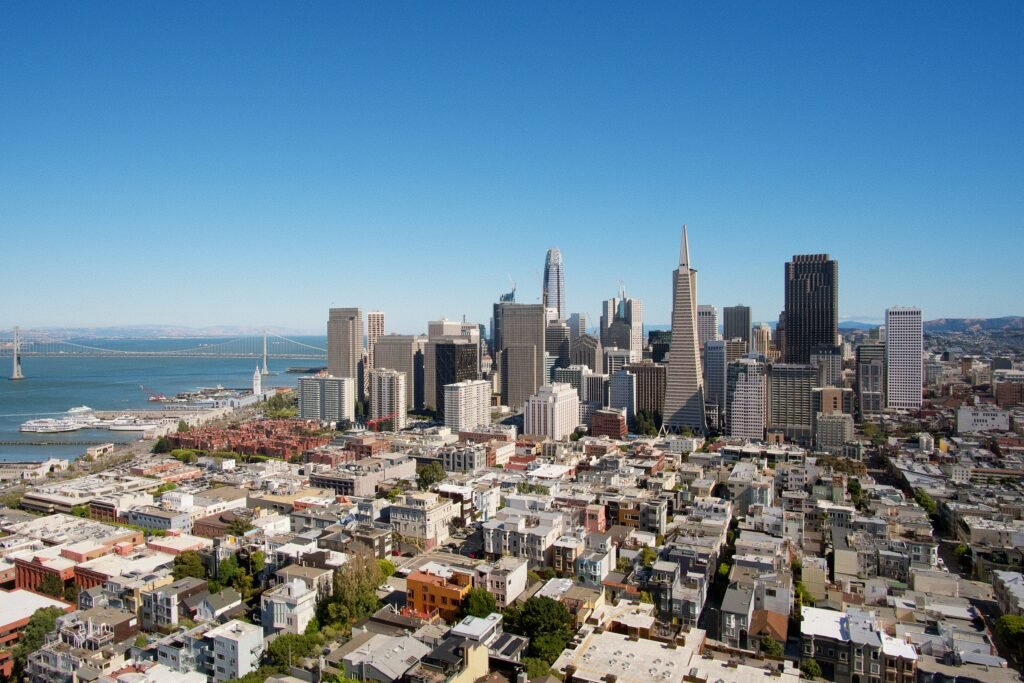
Massive Blackout Hits San Francisco Neighborhoods
The outage began in the late morning and by mid-afternoon had spread across much of the city, affecting nearly one-third of San Francisco’s customers served by PG&E. Areas hit hard include the Richmond District, Sunset District, Presidio, Hayes Valley, Haight-Ashbury, and parts of downtown, leaving local residents and weekend visitors in the dark.
Local utility maps showed conflicting estimates for power restoration as the evening approached, as PG&E warned that the timeline for full service recovery remained uncertain.
Fire at Substation May Have Contributed to Outage
City fire officials responded to reports of a blaze inside a key PG&E substation in the Mission district around mid-afternoon, saying firefighters brought the flames under control later in the day. While it’s too early to confirm a direct cause-and-effect link, the fire occurred shortly before the outage expanded significantly.
PG&E acknowledged the incident and confirmed it was investigating incidents across multiple parts of its grid. The utility’s outage map showed restoration predictions varying as crews worked through safety checks and repairs.
Traffic Signals and Transit Services Impacted
The blackout knocked out traffic lights across key intersections throughout the city, forcing drivers to treat intersections as four-way stops. San Francisco’s Department of Emergency Management advised residents to avoid travel where possible and exercise caution.
Public transit systems also felt the effects: BART and Muni trains had to modify service and bypass certain underground stations because of the power loss, stranding commuters and complicating travel plans.
Businesses, Restaurants, and Holiday Plans Disrupted
Shops, restaurants, cafés, and other small businesses were forced to close temporarily as display lights went dark and point-of-sale systems lost power. Several events scheduled for the weekend were canceled or postponed, while shoppers and employees alike searched for battery-powered lights and chargers.
Residents posted photos on social media showing candlelit rooms and traffic chaos, while others shared updates about long lines at coffee shops and stores that remained open with backup generators.
City Leaders and Utilities Respond
San Francisco officials stressed that emergency services remained active throughout the outage. The Department of Emergency Management activated support centers to aid vulnerable populations, especially those relying on powered medical equipment.
PG&E pledged to continue updates and urged customers to check its online outage map for the latest restoration times. The company also reminded residents to report any downed lines or electrical hazards to emergency services immediately.
Outage Raises Questions About Grid Resilience
This blackout comes amid challenges for California’s aging electrical infrastructure — including substation maintenance, weather stress, and shifting energy demand patterns — highlighting concerns about future grid reliability, especially during peak holiday travel and unpredictable winter weather. Experts say such large-scale disruptions can spur discussions around grid modernization, local power storage solutions, and investment in backup systems.
As investigations continue, San Franciscans are left assessing the impact of the outage and preparing for winter conditions, hopeful that electricity will be fully restored soon and that lessons learned from this blackout can lead to better grid resilience in the years ahead.