Protests, Pain and “Less-Lethal” Force: How DHS Tactics Hurt Americans in Immigration Demonstrations
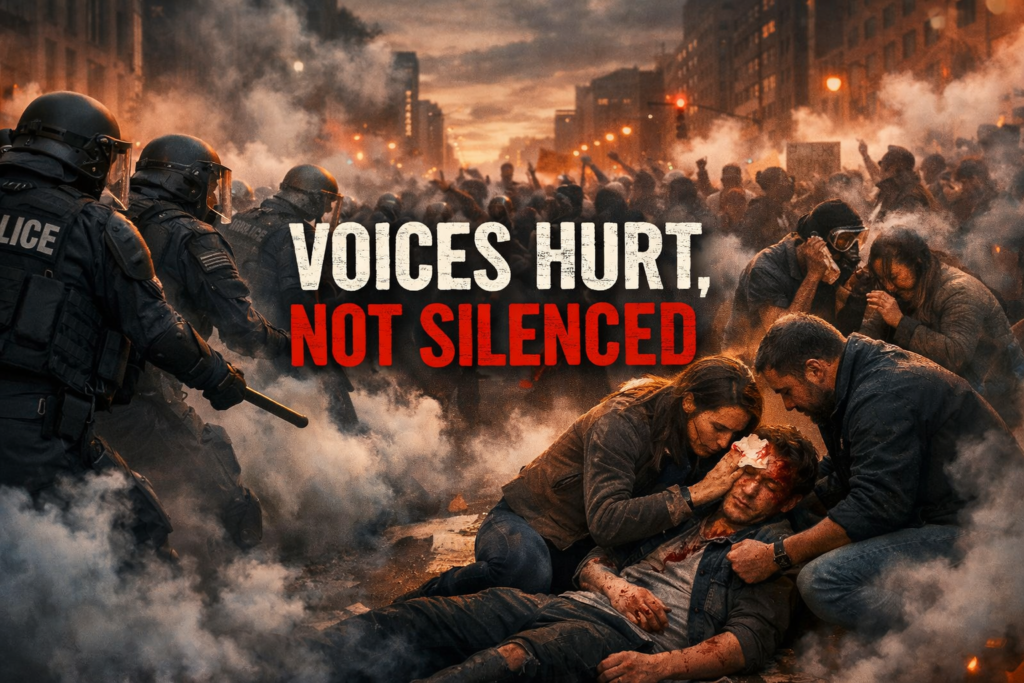
Across cities from Minneapolis and Chicago to Southern California, tens of thousands of people have taken to the streets to voice anger at President Donald Trump’s immigration enforcement campaigns. What began as protests against federal immigration raids quickly grew into nationwide demonstrations — and in many places, what should have been peaceful expressions of frustration turned into scenes of injury, fear and mistrust.
At the center of that conflict is the Department of Homeland Security (DHS), and the controversial ways its agents – particularly Immigration and Customs Enforcement (ICE) and Customs and Border Protection (CBP) officers — have responded to protesters. What federal officials call “crowd control” has left protesters, journalists and bystanders wounded, raising urgent questions about the definition of “less-lethal” force and its real-world impact on people exercising their First Amendment rights.
A Nation on the Streets: Why Americans Protested
In early 2026, protests erupted across the United States in response to a major uptick in immigration enforcement operations under the Trump administration. These demonstrations were sparked by the killing of Renée Good in Minneapolis — a U.S. citizen shot by an ICE agent — and the wounding of civilians during protests and immigration sweeps.
From Minneapolis and Portland to Chicago and Los Angeles, ordinary Americans joined vigils, marches and rallies, demanding accountability, transparency and an end to what they viewed as unchecked federal tactics. Many were motivated by deep emotions — grief, fear and solidarity with immigrant communities that felt targeted and unsafe.
Protests were large and sustained — tens of thousands attended marches, school walkouts were organized, and community groups rallied in state capitals and small towns alike. Some turned peaceful vigils into mass strikes, with businesses and schools joining calls for change.
Federal Response: “Less-Lethal” Weapons and Real Injuries
While many demonstrations remained peaceful, clashes with federal agents became increasingly common — particularly when ICE, Border Patrol, CBP or DHS tactical units confronted crowds. What federal authorities frequently called “less-lethal” measures included:
- Rubber bullets
- Pepper balls
- Tear gas canisters
- Flash-bang grenades
Although labeled “less lethal,” these weapons can still cause severe injury, a reality seen firsthand by dozens of protesters, legal observers and journalists.
A major investigation into the use of these weapons revealed multiple disturbing patterns. In some cities, agents fired projectiles toward crowds in ways that appeared to violate federal use-of-force guidelines, even targeting people’s heads, necks or sensitive areas where serious harm can occur. Victims included nurses, clergy members, bystanders and journalists — some of whom suffered broken bones, concussions, facial fractures and chemical burns.
One protester in San Diego County was struck so hard by a non-lethal round that he required several hours of surgery and permanently lost vision in one eye. Videos and eyewitness accounts from other demonstrations described people being hit while standing peacefully, with no indication of threat or violence on their part.
Real People, Real Harm
The emotional toll of these confrontations cannot be overstated. People who came to protest deaths and demand dignity and justice found themselves wounded and bewildered. Friends and family described scenes where medical volunteers treated chemical burns and deep bruises while others helped those knocked to the ground by forceful blows.
A journalist in Chicago, covering a protest outside a federal immigration facility, was hit in the face with a pepper ball and left with facial injuries. Another protester told reporters that what should have been a peaceful vigil turned into a fight for safety as tear gas and flash-bangs erupted.
Legal observers, street medics, and volunteer safety teams have documented scores of injuries — many of which occurred when protestors posed no clear danger. Those wounds — physical and emotional — will have long-lasting effects on individuals and the communities they represent.
Political Fallout and Investigations
In response to growing outrage, House Democrats launched an investigation into DHS’s use of “less-lethal” weapons, citing the alarming number of injuries and the potential violation of constitutional protections for free speech and peaceful assembly. They argue that the government’s aggressive enforcement across multiple cities requires congressional oversight and reform.
At the same time, some courts have taken action. Judges have issued orders limiting the use of tear gas in certain protest areas and imposing temporary restrictions on federal tactics — moves that force federal agencies to reevaluate crowd control operations.
Notably, Democratic lawmakers also used the controversy to resist funding for the Department of Homeland Security unless meaningful reforms to ICE and CBP enforcement practices were included. This political pushback reflects deep divisions in American governance over how to treat protests and how to balance public safety with civil liberties.
A Nation’s Conversation on Force and Free Expression
The term “less lethal” emerged from policy makers as a way to describe tools intended to control crowds without the fatality risk of live ammunition. In practice, however, the term has become controversial — especially when people are injured by these weapons after standing quietly with signs and chants.
Advocates for protest rights say the growing list of injuries raises fundamental questions about democratic expression: How far can law enforcement go to control protest, and when does that control become a threat to civil liberties? These conversations aren’t theoretical — they’re deeply personal for those who marched, were injured or watched loved ones hurt in demonstrations.
For many, the issue isn’t just about immigration policy itself — it’s about the spirit of peaceful dissent in America and how the government responds when people take to the streets to express frustration with their leaders and federal policies. The tension between enforcement and empathy continues to shape national debates on both sides of the aisle.