Japan’s TEPCO Restarts Nuclear Reactor at Kashiwazaki-Kariwa — First Since Fukushima
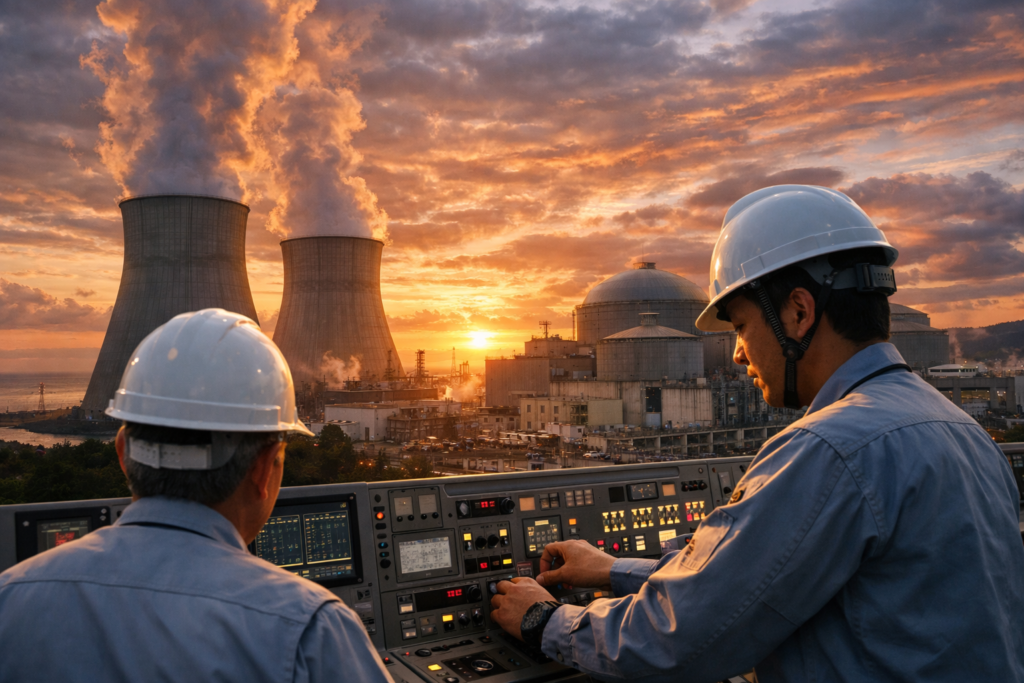
Tokyo, Japan — In a milestone that marks a dramatic shift in Japan’s post-Fukushima energy strategy, Tokyo Electric Power Company Holdings (TEPCO) has restarted Reactor No. 6 at the Kashiwazaki-Kariwa nuclear power plant, its first nuclear reactor brought back online since the devastating 2011 Fukushima Daiichi disaster. The move — nearly 15 years after the Fukushima meltdowns — underscores Japan’s renewed embrace of nuclear power at a time of rising energy costs, climate goals, and shifting geopolitical realities.
The No. 6 unit — a 1.36-gigawatt (GW) boiling water reactor at the world’s largest nuclear power station — began operations shortly after 7 p.m. local time on January 21, 2026, following a brief delay due to an alarm-system malfunction earlier in the week that required extra testing before restart authorization.
A Long Road Back from Fukushima
Japan’s nuclear landscape was reshaped 15 years ago when an earthquake and tsunami triggered the catastrophic failure of three reactors at the Fukushima Daiichi plant in March 2011, leading to massive evacuations, environmental contamination and a nationwide shutdown of nuclear facilities. In the aftermath, public confidence in atomic energy plummeted and authorities imposed some of the world’s strictest safety standards.
Since then, Japan shut down all its commercial nuclear fleet, temporarily meeting electricity demand with fossil fuel imports that ballooned energy costs and contributed to greater carbon emissions. Over time, utilities and regulators gradually cleared safety obstacles for some reactors, but TEPCO had not restarted any unit from its Kashiwazaki-Kariwa complex — until now.
Officials say the No. 6 restart represents not just a technical milestone but a symbolic one for TEPCO — the same utility behind the Fukushima plant — restoring trust and leading the country into a new nuclear era. “It signals the end of the post-Fukushima nuclear stalemate,” said one industry analyst.
Safety, Delays and Precautions
Earlier restart plans were delayed due to a safety alarm glitch during inspections on January 20, forcing operators to address the malfunction before moving forward. After additional tests verified normal operations, the Nuclear Regulation Authority gave final approval and TEPCO resumed startup activities later Wednesday evening.
The Kashiwazaki-Kariwa plant, located in Niigata Prefecture on the Sea of Japan coast, comprises seven reactors with a combined capacity of about 8.2 GW — enough to power millions of homes when fully operational. Only one reactor was restarted this week; other units will require regulatory approvals, additional safety upgrades and community consent before returning online.
Despite rigorous inspections and substantial safety enhancements over the past decade, public opinion remains divided in the nearby communities. Surveys show a significant portion of local residents still oppose the restart, citing lingering fears of earthquakes, tsunamis and evacuation readiness plans that many find inadequate.
National Priorities: Energy Security and Climate Goals
Japan’s energy strategy has shifted in recent years as global energy markets become more volatile and fossil fuel imports remain costly. Prime Minister Sanae Takaichi, who has championed a nuclear resurgence, argues that atomic power is essential for energy security, carbon emissions reduction, and economic stability.
Officials believe that boosting nuclear capacity — including exploring next-generation reactors and small modular reactors (SMRs) — can reduce reliance on liquefied natural gas (LNG) and coal, cutting energy costs for households and businesses alike. Market analysts project that if reactor No. 6 enters full commercial operation by late February, Japan’s LNG imports could decline by millions of metric tons in 2026.
Japan has already returned 15 of 33 operable reactors to service since 2011, and renewed investment in nuclear technology could reshape national energy dynamics in the decades ahead.
Local Opposition and Safety Concerns
Although national leaders emphasize energy security and climate benefits, fear and skepticism persist among some local citizens near Kashiwazaki-Kariwa. In the days surrounding the restart, small protests were held near the facility, with elderly residents expressing concerns over seismic risk and potential radiation hazards. “Why should we be put at risk to send electricity to Tokyo?” one protester told reporters.
Critics also note recent nuclear industry scandals, including reports of falsified seismic data by another utility, that have shaken confidence in regulatory oversight. Safety advocates argue that emergency response infrastructure and evacuation planning should be prioritized before expanding nuclear power output.
TEPCO, meanwhile, has spent billions of yen on safety upgrades at Kashiwazaki-Kariwa — including enhanced tsunami walls, watertight facilities and advanced cooling systems — and defenders of the restart say these improvements significantly lower risks compared with pre-Fukushima standards.
What Comes Next?
Reactor No. 6 will enter a trial operation phase before full commercial output, with comprehensive checks and inspections continuing well into the coming weeks. Officials expect full commercial operation to begin by the end of February if all safety and regulatory milestones are met.
Meanwhile, TEPCO and regulators are reviewing the potential restart of Reactor No. 7 — another key unit at the plant — around 2030, although local policies and technical requirements could delay or alter that timetable.
The restart is also widely watched internationally, as nations everywhere grapple with how best to balance energy demand, climate goals, and public safety. Japan’s path may serve as a case study for other countries evaluating the role of nuclear power in their future energy mixes.
A New Chapter for Japan’s Nuclear Future
With the No. 6 reactor at Kashiwazaki-Kariwa now back online after more than a decade, Japan’s nuclear industry enters a period of renewed relevance and scrutiny. Opponents warn that safety must never be compromised, while proponents insist nuclear power is indispensable for a stable, low-carbon future.
As the utility’s first nuclear restart since the tragedy at Fukushima, this moment offers a dramatic reminder that energy policy isn’t just about infrastructure — it’s about public trust, community safety, and balancing the urgent needs of today with the risks of tomorrow.