Japan Faces Surge in Bear Attacks as Residents Fight Back and Authorities Respond
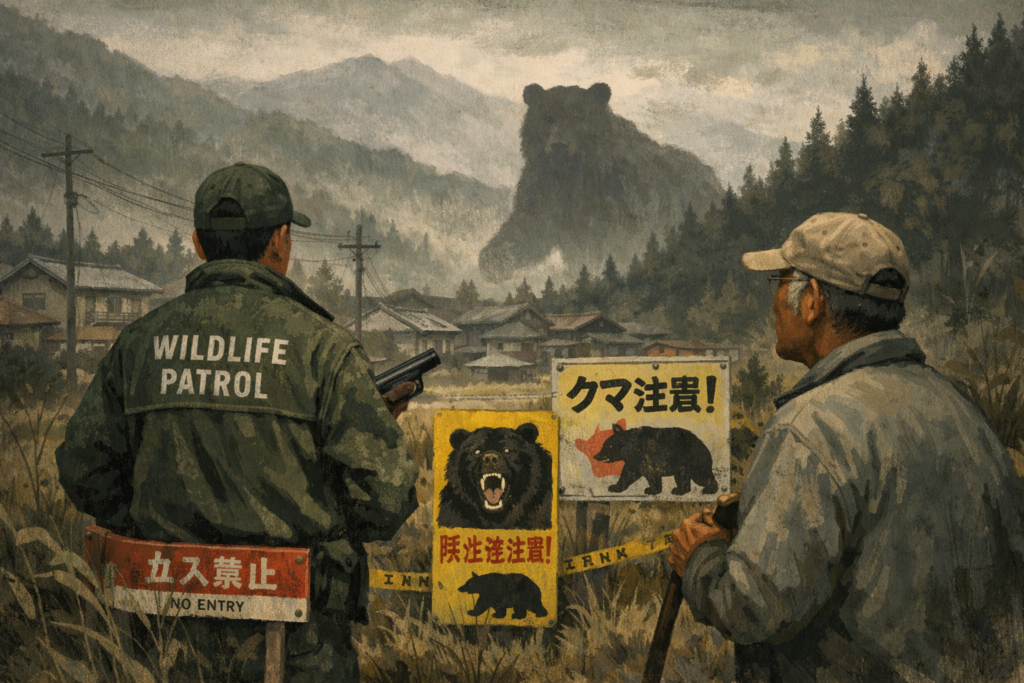
TOKYO — Japan is grappling with an unprecedented rise in wild bear encounters that have led to fatalities, injuries, and emergency government action, including the deployment of troops to assist overwhelmed local communities.
Across several prefectures — particularly in the northern regions of Akita, Iwate and Fukushima — bears have increasingly wandered into populated areas, attacking people, entering homes and even appearing near train stations. The spike in dangerous encounters has prompted widespread concern among residents and officials alike.1
In one recent incident north of Tokyo, a 69-year-old security guard was mauled by a bear inside a public restroom near a train station. Though he sustained only minor injuries, he managed to fend off the animal by kicking at it before running for help.
Data from Japan’s Environment Ministry shows this year has seen one of the highest numbers of bear-related attacks in recent history, with more than 100 people injured and at least a dozen killed nationwide since spring. Experts warn that the trend could worsen as bears roam further from their shrinking mountain habitats in search of food.
The surge has put pressure on local authorities, leading to calls for broader support. The governor of Akita Prefecture, one of the hardest-hit areas, formally requested help from Japan’s Self-Defense Forces to control the growing threat to public safety. Troops have since been dispatched to set traps, provide logistical assistance to hunters and help monitor bear movements — though they are not authorized to use lethal force themselves.
Officials and wildlife experts point to several contributing factors behind the rise in bear sightings and attacks, including climate-related changes to food availability, an expanding bear population, and declining human populations in rural areas that once kept bear numbers in check.
Public safety campaigns have been launched in affected communities, urging residents to stay vigilant, use bear deterrents and report sightings promptly. Still, the sudden proximity of these large predators to towns and cities has shaken long-standing perceptions of wildlife risk in the country.