Georgia Father Takes the Stand in Historic Apalachee High School Shooting Trial
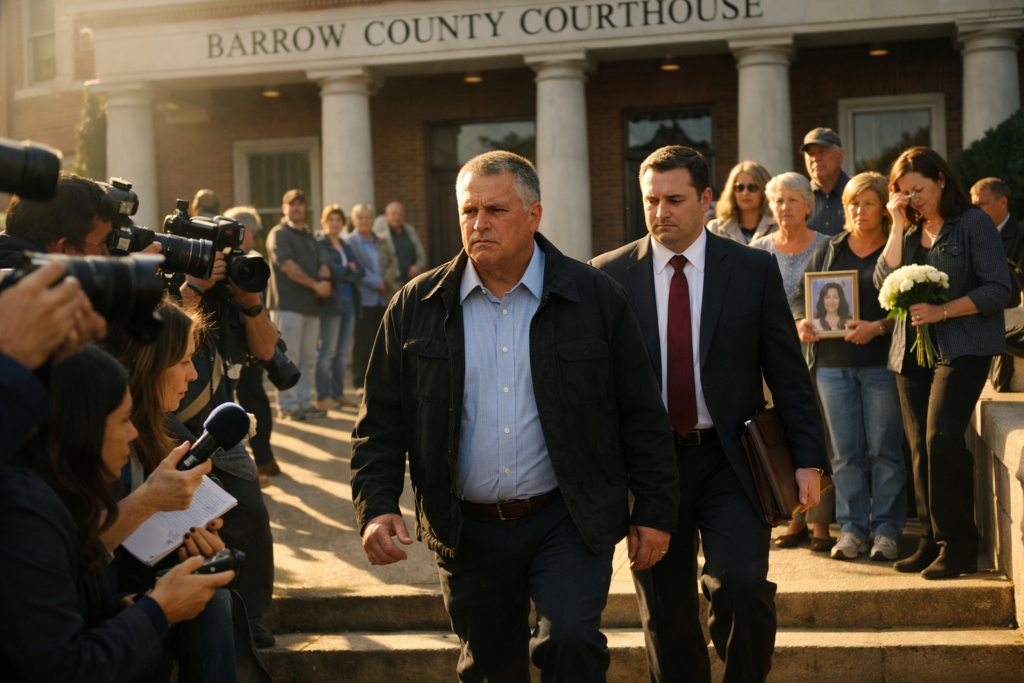
WINDER, Georgia — In a case that has gripped not just this small northeastern Georgia community but legal observers across the nation, Colin Gray — the father of the teen accused in the deadly Apalachee High School shooting — took the stand Friday in his own defense, opening a new chapter in a trial that raises difficult questions about parental responsibility, gun access, and school safety.
Gray, 54, has pleaded not guilty to 29 criminal counts connected to the September 4, 2024, shooting that tore four lives from classrooms and wounded nine others in what became one of Georgia’s deadliest school attacks. The charges against him include second-degree murder, involuntary manslaughter, cruelty to children and reckless conduct — a sprawling arraignment that reflects prosecutors’ argument that parents can be held accountable when they facilitate a child’s access to guns, a legal approach still evolving in U.S. courts.
Inside the Barrow County courtroom, the atmosphere was solemn. After more than two weeks of testimony from prosecution witnesses — including surviving students and teachers, law enforcement agents, and family members — the defense called Gray to speak directly to jurors about his choices and the circumstances that preceded the tragedy.
Jurors were reminded by the judge that Gray did not have to testify, a standard legal protection, but the elder Gray and his attorneys chose to let his voice be heard. In slow, at times emotional testimony, he sought to explain how the weapon that prosecutors say his son used in the attack came into his household and why he believed he was acting responsibly at the time.
Gray told the court he had purchased the AR-style rifle as a Christmas gift for his then-14-year-old son, Colt, hoping to bond through hunting trips and responsible firearm handling. He described a household grappling with complex issues — including his wife’s struggle with substance abuse and his own efforts to care for their three children as a working father trying to hold the family together.
“I never, not in a thousand years, thought anything like this could happen,” Gray said in testimony, his tone alternating between earnest and strained. His words reflected a theme the defense has emphasized throughout — that of a parent who saw warning signs but believed he was doing his best in a challenging situation.
Prosecutors, however, told jurors a very different story, one backed up by extensive evidence presented earlier in the trial. They argued Colin Gray ignored clear red flags about his son’s growing fascination with violence and past warning signs, including troubling text messages and online searches in which Colt appeared to express violent intentions.
Investigators showed jurors digital forensic evidence from Colt’s phone that suggested an obsession with school shooters and a “shrine” in his bedroom to past gunmen, details that prosecutors argued demonstrated Colt’s mindset before the attack. They also presented Google search histories and text messages in which the teen appeared to act out violent thoughts.
Defense attorneys pushed back, saying Gray did at times express concern and even sought counseling for his son. They highlighted text messages in which Gray asked for help finding mental health services and pointed to his efforts to engage with professionals. But prosecution witnesses noted that despite clinic outreach after Gray’s inquiry, he did not follow up — and firearms in the home remained unsecured, a decision that may be pivotal to the legal standard for negligent gun access in school shooting cases.
Before Gray took the stand, jury members heard graphic surveillance video from inside the school showing Colt buying his rifle wrapped in poster board and later opening fire — moments that visibly moved the defendant. Witnesses also recounted harrowing details from that September morning, when classrooms filled with chaos and fear as students and teachers scrambled for safety.
Adding emotional weight to the proceedings were earlier testimonies from Colt’s mother, Marcee Gray, who said she repeatedly asked her estranged husband to secure the firearms at home — to lock them away or remove them entirely — in light of Colt’s recognized mental health challenges and troubling behavior. Her testimony painted a picture of a family in turmoil long before the shooting.
Another piece of testimony came from Gray’s daughter, who told jurors her father once encouraged her to “cover for him” when authorities asked whether she knew about Colt’s unstable behavior — a moment the prosecution seized on to question the father’s judgment and credibility.
The trial of Colin Gray has drawn national attention because it touches on broader issues at the intersection of gun rights, parental responsibility and legal accountability in school shooting cases — a topic of intense debate in American law and politics. Few cases like this have made it to trial, and even fewer have tested the limits of whether a parent can face murder or manslaughter charges for a child’s actions.
In Michigan, for example, the parents of a school shooter were convicted of involuntary manslaughter for similar reasons — a precedent that may influence jurors’ deliberations in Georgia as they weigh evidence and testimony.
As the defense rested its case with Gray’s powerful courtroom presence, jurors now face a complex decision: whether his actions — from buying the rifle to responding (or not) to warning signs — amount to criminal conduct that contributed directly to the loss of innocent lives. If convicted, Gray faces up to 180 years behind bars.
The legal battle continues as closing arguments and jury deliberations loom, but the human toll — four lives taken, nine others wounded, and a community scarred — remains at the forefront. For many in Georgia and across the country watching this case unfold, it is not just a legal test, but a profound reckoning with questions about common-sense gun safety, mental health interventions, and how far society should go in holding adults responsible for children’s tragedies.