Ex-Deputy Sean Grayson Sentencing in Sonya Massey Murder Case
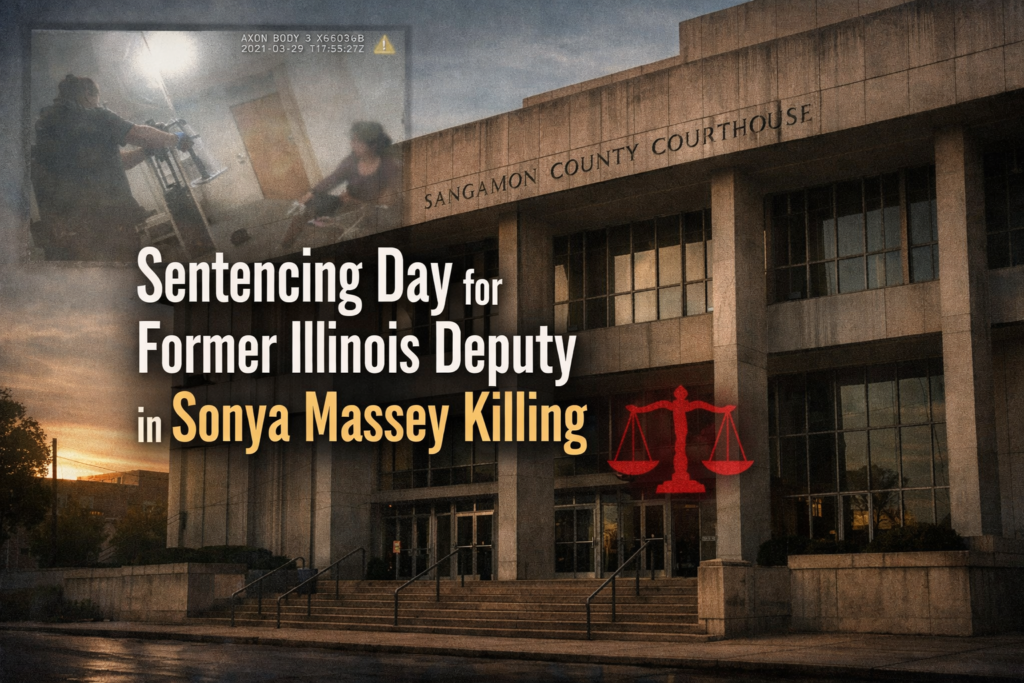
SPRINGFIELD, Ill. — A former Illinois sheriff’s deputy convicted last year of second-degree murder in the deadly shooting of 36-year-old Sonya Massey is scheduled to be sentenced Thursday, Jan. 29, opening a new chapter in a case that ignited widespread debate about law enforcement use of force and racial equity across the nation.
Sean Grayson, 31, who once served as a deputy with the Sangamon County Sheriff’s Office, has been in custody since his arrest shortly after the July 2024 encounter that left Massey — a single mother of two — dead inside her Springfield home. Though originally charged with first-degree murder, a jury in October convicted Grayson of the lesser charge of second-degree murder, a decision that drew both legal scrutiny and public backlash.
At sentencing, the former deputy faces a possible 20-year prison term — though, under Illinois law, probation remains a legal possibility given the lesser conviction.
The Fatal July 2024 Shooting That Shook Illinois
The events that led to Grayson’s trial began before dawn on July 6, 2024, when Massey called 911, reporting what she believed was a prowler outside her home near Springfield. According to court records and body-camera footage released by police, Grayson and another Sangamon County deputy, Dawson Farley, responded to the call and initially searched the backyard before entering the home.
Inside, the situation quickly escalated during a confusing exchange involving a pot of hot water on the stove. Officers ordered Massey to put the pan down. Instead, she picked it up — at one point teasing Grayson about his earlier direction to move away from the boiling water.
Moments later, Grayson drew his service weapon and shot Massey in the face, later claiming he feared she would throw the scalding water at him. Massey died from her injuries, leaving behind two teenagers and a community demanding answers.
Conviction and Controversy Over Use of Force
During the October 2025 trial, the jury rejected the most serious charges — including three counts of first-degree murder — opting instead for second-degree murder. Under Illinois law, a second-degree conviction can apply when the defendant honestly believed deadly force was necessary even if that belief was unreasonable.
That outcome triggered strong reactions, particularly from civil rights advocates and Massey’s family. “The justice system did exactly what it’s designed to do today. It’s not meant for us,” Massey’s cousin, Sontae Massey, said after the verdict.
The case also raised new questions about how police interact with individuals experiencing mental health challenges. Massey had reportedly been struggling with mental health concerns at the time she dialed 911 for help — underscoring broader debates about policing versus crisis intervention.
Civil Settlement, DOJ Inquiry, and Policy Changes
In the wake of the shooting, Sangamon County agreed to a $10 million settlement with Massey’s family, negotiated with the help of civil rights attorney Ben Crump, who has represented several high-profile cases involving police shootings.
The tragedy also prompted a U.S. Department of Justice inquiry into use-of-force practices in the county, ultimately resulting in negotiated reforms. Among the changes were commitments to increased de-escalation training, enhanced data collection on force incidents, and administrative shifts including the retirement of the sheriff who employed Grayson.
Illinois legislators also moved to strengthen transparency in law enforcement hiring and training protocols. New rules now require detailed background checks for police candidates — a response directly tied to concerns raised by Massey’s death.
Broader National Impact and Law Enforcement Debate
The fatal shooting of Massey has resonated beyond Illinois. Advocates and critics alike point to the case as emblematic of larger systemic challenges in policing — particularly regarding interactions in private homes and with individuals in emotional distress.
Civil liberty groups argue that better training and mental health response mechanisms could prevent similar tragedies. Meanwhile, law enforcement organizations emphasize the stress and unpredictability officers face on the job, though many acknowledge the need for continued reform.
What Lies Ahead at Sentencing
As Grayson’s sentencing date arrives, both sides of the debate await the judge’s decision with intense interest. Prosecutors are expected to urge a firm prison term that reflects the gravity of the offense, while defense attorneys may argue for probation or a reduced sentence, citing the jury’s second-degree murder verdict and perceived ambiguity in how events unfolded.
In Illinois, second-degree murder carries a sentence range that includes probation or up to 20 years behind bars. Whether the judge opts for incarceration, probation, or a blended sentence will have significant implications for how the justice system balances accountability with legal nuance in police-involved killings.
As this case moves through its final stages, Sonya Massey’s story has already left a lasting imprint on the national conversation about policing, accountability, and the very role of law enforcement in communities across America.