Amazon’s Bold Vision to Transform How Fans Watch the NFL
NEW YORK — In a dramatic shift reshaping the landscape of sports broadcasting, Amazon is poised to alter the way millions of fans watch the National Football League (NFL) — leveraging streaming technology, advanced artificial intelligence, and interactive cultural trends in ways that could redefine television sports in the digital age.
The retail and streaming giant is investing heavily in NFL content and features, highlighting its strategy to grow Amazon Prime Video into not just a platform for scripted shows and movies, but a sports entertainment powerhouse that engages viewers far beyond the traditional TV broadcast model. This ambitious transformation reflects not only changing viewer habits but also the shifting economics of live sports rights in a streaming-dominant era.
Prime Video: From Streaming Shows to Live Sports Stage
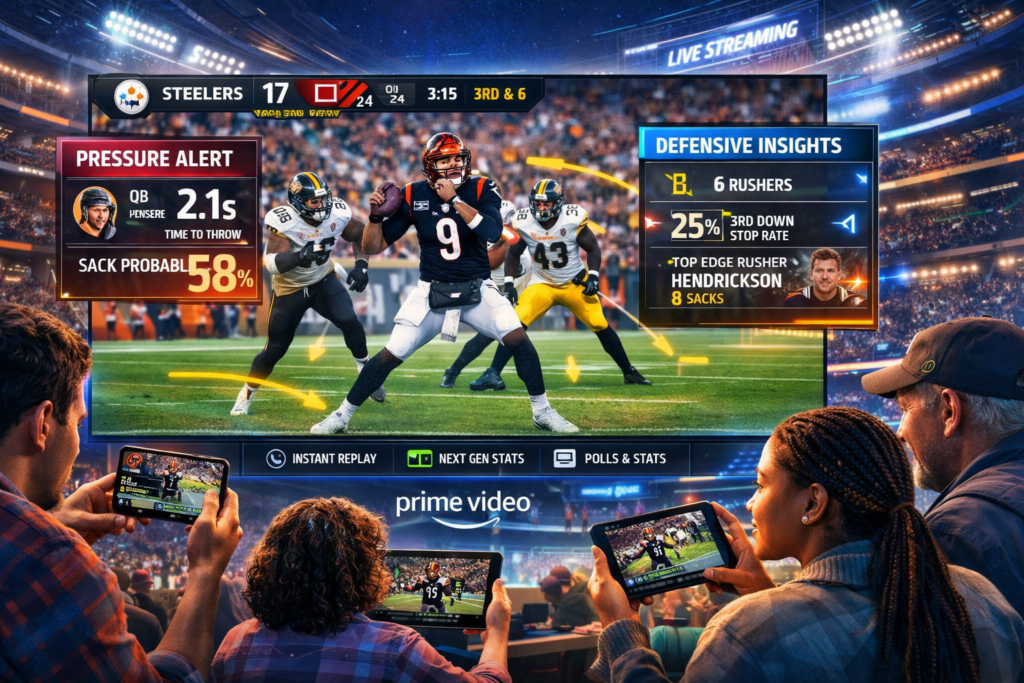
Over the past few years, Amazon has increasingly focused on live sports as a core driver of Prime Video’s growth — a trend that media analysts say will continue through the 2020s. Prime Video’s exclusive rights to the NFL’s Thursday Night Football (TNF) package has already made an impact, bringing live NFL games to more than 150 million Prime members around the globe and pushing the boundaries of how viewers engage with live content. Amazon’s vision goes beyond simply streaming games online. With access to NFL Next Gen Stats, its Prime Video team has built AI-powered broadcast features designed to give fans insights usually only available to coaches and analysts. These proprietary tools — including “Pressure Alerts,” “Defensive Insights,” and other real-time analytics — aim to break down game strategy live as viewers watch, turning casual fans into informed spectators.
This focus on enhanced broadcast intelligence is part of a broader strategy to deepen viewer engagement. Instead of passive viewing, Amazon’s innovations bring data-driven narrative elements that unfold in real time, giving fans a fresh perspective on what’s happening on the field.
AI and Interactive Features: A New Viewing Era
One of the most striking innovations Amazon is pushing is its AI-driven Prime Insights, a suite of analytical tools embedded into the TNF broadcast experience. These features use machine learning and predictive modeling to highlight critical moments, project plays, and even suggest likely outcomes as games unfold — a first in mainstream sports broadcasting.
Imagine watching a tight fourth quarter and seeing in-broadcast predictions for how a coach might handle the clock, or why a defensive lineup might succeed — all delivered seamlessly within the live stream. For Amazon, the opportunities here are twofold: enhance the viewing experience and collect first-party data on what fans value most in sports content.
This embrace of interactive analytics isn’t exclusive to the on-field action. Amazon is experimenting with viewer participation as well, integrating ads and interactive elements that allow fans to shop, react, or engage directly with brands while watching a game — something traditional broadcast rarely allows.
Critically, these innovations reflect a broader change in viewer expectations. Today’s audiences demand customizable experiences and deeper insights, and Amazon’s technology team is tailoring solutions that push beyond the static “broadcast tape” era.
Streaming vs. Traditional TV: The Fan Experience Debate
Amazon’s strategy underscores a larger industry move toward streaming as the primary future of live sports. Traditional broadcast networks such as CBS, NBC, and Fox dominated NFL coverage for decades, but the tide has turned as streaming platforms secure bigger packages and integrate experiential features that linear TV simply cannot replicate. The NFL itself has embraced this shift. In recent media deals stretching through the 2033 season, Amazon and other streaming partners secured key rights alongside traditional broadcasters, illustrating how the league is diversifying its media footprint.
Yet this evolution hasn’t been without controversy. Some fans resist exclusive streaming deals, arguing that live sports should remain accessible on free broadcast television — a sentiment rooted in decades of tradition. Cable cutters and streaming fans, on the other hand, see the shift as inevitable in a world where viewers now expect flexibility and interactivity on mobile devices, smart TVs, and laptops alike.
Ratings Growth and Audience Engagement Trends
Despite early skepticism about streaming live sports, audience data tells an encouraging story for innovative broadcasters. New Nielsen reports show that NFL ratings reached some of their highest levels in years across all platforms, including broadcast and digital. Average viewership for the 2025 regular season tipped nearly 19 million viewers per game — the second-highest on record — reflecting both traditional and streaming figures. Significantly, Amazon Prime Video’s TNF games saw a substantial uptick in viewership from previous years.
These results indicate that while the medium is changing, the love for live football remains robust — and fans are willing to follow the game where it goes.
Challenges and the Road Ahead
Still, challenges lie ahead. Some critics point to streaming quality concerns, ad load frustrations, or the potential alienation of fans who prefer over-the-air broadcasts. For Amazon, balancing innovation with accessibility will be key to long-term success. Technological improvements, partnerships, and sustained fan engagement strategies will be essential as the company scales its sports offerings.
Looking forward, Amazon’s ambitions may extend further than Thursday nights. Industry watchers speculate about the possibility of streamed Super Bowl rights in the future and expanded NFL broadcast packages — moves that could push streaming even deeper into mainstream sports culture.
Conclusion: Redefining Sports Entertainment
Amazon’s push to change how viewers watch the NFL represents a seismic shift in sports media. By combining streaming access, advanced AI features, real-time analytics, and interactive viewer experiences, the company is not just broadcasting football — it’s reinventing the way the game is consumed. Whether this bold vision will fully eclipse traditional TV remains to be seen, but one thing is certain: the future of watching football is evolving on screens large and small around the world.