AI Disruption, Iran’s Leadership Uncertainty, and Economic Shifts: Global Tensions Shape a Critical Moment
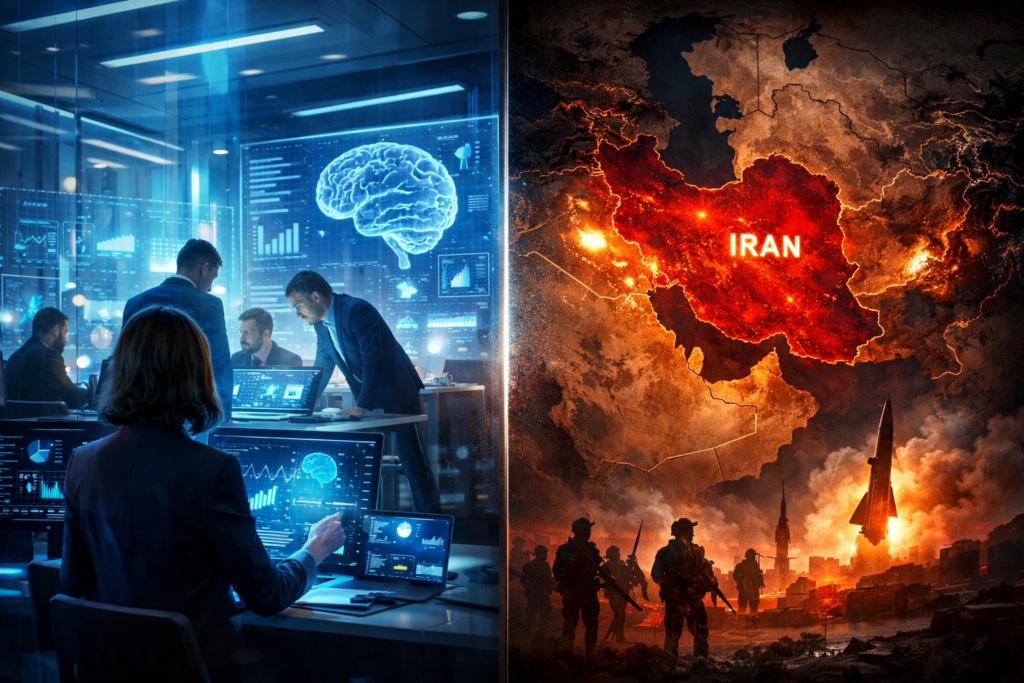
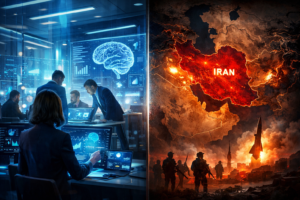
The world is entering a moment of rapid transformation as political tensions, technological disruption, and economic uncertainty converge. From debates about the future leadership of Iran to growing concerns that artificial intelligence could reshape the global workforce, leaders and analysts say the coming years may redefine the balance between technology, politics, and economic stability.
Across government offices, tech companies, and financial institutions, the same question is being asked: how will these changes impact the future of societies around the world?
Iran’s Leadership Question Draws Global Attention
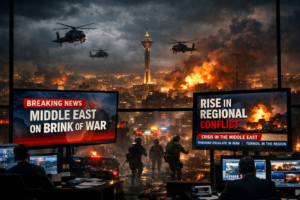
One of the most closely watched political developments centers on the future leadership structure in Iran.
The country’s supreme leader, Ali Khamenei, has held the powerful position since 1989, shaping Iran’s domestic politics and foreign policy for more than three decades. As speculation grows about what could happen if a leadership transition occurs, analysts say the decision could dramatically influence the region’s geopolitical balance.
Iran’s supreme leader holds enormous authority, overseeing the country’s military, judiciary, and strategic direction. Any succession process could reshape Iran’s approach to diplomacy, regional alliances, and relations with the West.
Potential candidates for the role are being discussed quietly among political observers, although the final decision would ultimately be made by Iran’s Assembly of Experts — a clerical body responsible for selecting the country’s supreme leader.
For governments around the world, the outcome of that process could influence tensions across the Middle East and determine whether diplomatic relationships with Iran shift in the years ahead.
Artificial Intelligence Reshapes the Workforce
While geopolitical developments unfold overseas, a different kind of disruption is taking shape in offices and companies around the world.
Artificial intelligence is rapidly advancing, and experts say the technology may soon transform millions of white-collar jobs.
Companies developing advanced AI tools — including organizations like OpenAI — are creating systems capable of writing reports, analyzing data, designing graphics, and even assisting with legal or medical tasks.
For many businesses, these tools promise dramatic increases in efficiency.
But they also raise concerns among workers who fear their roles could be partially or entirely replaced by automation.
Economists say the situation is complex. While new technologies often eliminate certain jobs, they can also create entirely new industries and career paths.
During previous technological revolutions, such as the rise of the internet and personal computing, similar fears emerged — yet the economy eventually adapted.
Still, the speed of modern AI development is unlike anything seen before.
Some analysts warn that industries such as finance, law, consulting, and media could face rapid transformation as companies adopt AI-powered tools.
The Changing Nature of Work
The impact of artificial intelligence on white-collar professions could reshape how people think about careers.
Jobs that once required years of training may increasingly rely on collaboration between humans and machines. Instead of replacing workers entirely, AI systems could become powerful assistants that handle routine tasks while people focus on strategy and creativity.
At the same time, businesses may reduce hiring for certain roles if automated systems can perform similar functions at lower cost.
This shift is already happening in some sectors.
Technology companies and financial firms have begun experimenting with AI-driven software capable of performing tasks such as market analysis, document review, and customer communication.
As the technology improves, its capabilities are expected to expand further.
Governments and Regulators Respond
The rapid growth of artificial intelligence has also caught the attention of policymakers.
Government leaders are debating how to regulate AI systems in ways that protect workers and consumers without slowing innovation.
In the United States, lawmakers have proposed new guidelines addressing issues such as data privacy, algorithm transparency, and workplace automation.
International organizations are also discussing potential frameworks for global AI governance.
The goal is to ensure that technological progress benefits society broadly rather than creating deep economic inequality.
At the same time, governments are investing heavily in research and education programs designed to prepare workers for the digital economy.
Economic Pressures Continue to Build
Beyond technology and geopolitics, economic uncertainty remains a major factor shaping global decisions.
Inflation, supply chain disruptions, and shifting labor markets have created a challenging environment for policymakers.
Central banks are trying to balance interest rates in ways that stabilize prices without triggering recession.
Meanwhile, businesses are adjusting their strategies to cope with fluctuating consumer demand and evolving technologies.
For workers, the combination of economic pressure and technological disruption can feel unsettling.
Career stability is no longer guaranteed in many industries, and professionals increasingly need to adapt their skills to stay competitive.
A World in Transition
Taken together, these developments illustrate a broader reality: the global landscape is changing rapidly.
Political shifts in countries like Iran could alter regional alliances and security dynamics. At the same time, technological innovations are reshaping how economies function and how people work.
Experts say these trends are interconnected.
Advances in technology influence military capabilities, economic competitiveness, and political power. Meanwhile, geopolitical tensions can shape the direction of technological investment.
Understanding these relationships is becoming increasingly important for leaders and citizens alike.
Looking Ahead
While uncertainty remains, many analysts believe the coming decade will be defined by adaptation.
Countries will need to navigate diplomatic challenges, manage technological disruption, and ensure economic stability in a rapidly evolving world.
For individuals, the key may be flexibility.
Learning new skills, embracing emerging technologies, and staying informed about global developments could prove essential in the years ahead.
As governments and businesses grapple with these complex issues, one thing is certain: the intersection of politics, technology, and economics will continue to shape the future of societies around the globe.