A Comedian’s Punchline Became Prison Time In Russia: How One Joke About the Ukraine War Led to Harsh Sentencing
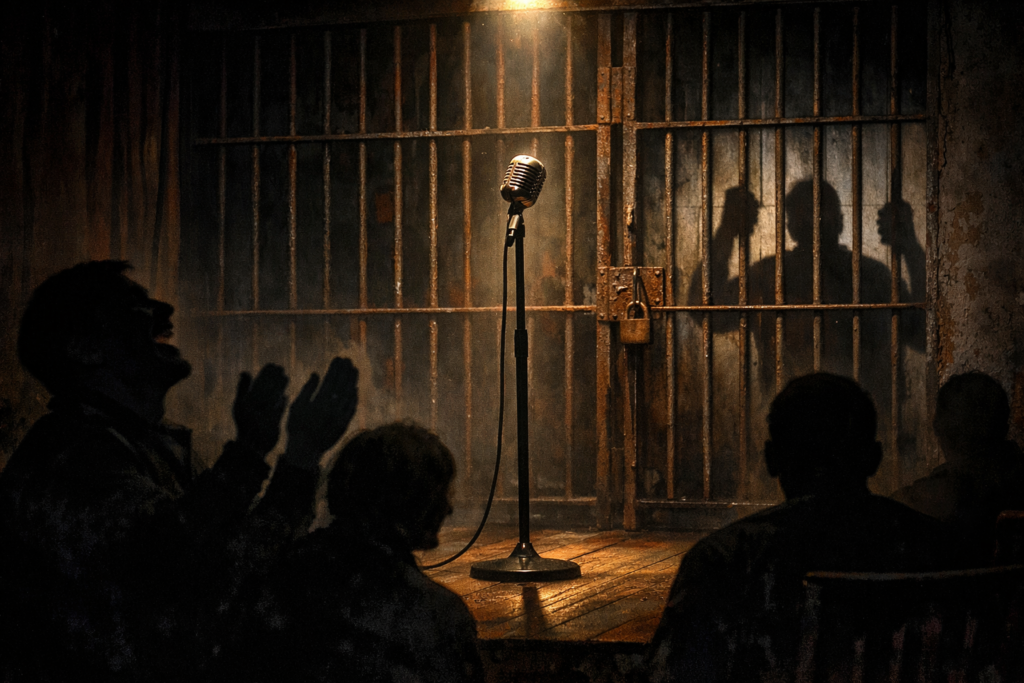
MOSCOW — In a courtroom in the heart of Russia’s capital, the laughter has long gone quiet. Instead of applause and cheers, there were stunned faces — as a young stand-up comedian was sentenced to nearly six years in a Russian prison for a joke he made about a disabled war veteran. What should have been a punchline in a comedy club became a life-altering sentence that underscores the deepening crackdown on free speech under President Vladimir Putin’s government as Russia continues its war in Ukraine.
This isn’t just another legal case — it’s a stark reminder of the power of humor, the cost of dissent and the human toll when artistic expression is criminalized. Behind the headlines of geopolitics and battlefield reports are individual lives forever changed by the intersection of comedy and state authority.
From Stage to Courtroom: The Arrest and Trial
The central figure in this story is Artemy Ostanin, a 29-year-old stand-up comedian whose quick wit and stage presence had earned him a modest following in Russia’s comedy circles. What began as clever wordplay on everyday life and society turned into a legal nightmare in March 2025, when pro-government activists filed a complaint accusing Ostanin of mocking a Russian war veteran — specifically a man who had lost his legs during the Ukraine war.
Authorities swiftly moved to detain him after the complaint reached law enforcement. Ostanin fled Russia and hoped to find safety in Belarus, but instead he was arrested there and extradited back to Moscow — a move he later described in court as a “harrowing ordeal” that left him injured and traumatized.
In what many observers called a show trial, Ostanin was convicted of inciting hatred for his joke about the disabled veteran and an additional charge of “insulting religious feelings” for another off-colour remark he once made about Jesus. A Moscow court sentenced him to **five years and nine months in prison and imposed a fine of 300,000 rubles (about $3,900).”
“This was a routine in a comedy club — not a political manifesto,” Ostanin said in his final courtroom statement, telling the judge he hoped “no one else ever finds themselves in a situation of such egregious lawlessness.”
Comedy in Wartime: What’s Changed
Russia’s stand-up comedy scene was once a vibrant space where performers could poke fun at everyday frustrations, societal quirks and occasionally even political leaders. But since the country’s full-scale invasion of Ukraine in 2022, new censorship laws and wartime restrictions have dramatically changed the landscape, making it perilous to speak, joke or even hint at critique about the military or state policy.
The government tightened laws against so-called “false information” and “discrediting” the Russian army shortly after the invasion began, creating a climate where humor can quickly be recast as a crime. Activists and pro-Kremlin groups have also assumed the role of watchdogs, reporting comedians and social media personalities to the authorities for jokes they deem offensive or damaging to the country’s image.
One comedian described this new reality this way: “Stand-up in Russia is like walking on a tightrope over a bed of sharp knives — one wrong word, and you might fall through.”
The Human Cost of a Joke
For Ostanin and others like him, the punishment doesn’t stop at prison walls. His conviction has marked him as an extremist and a “terrorist” in official Russian records, a label that carries lasting stigma and can impact every aspect of life, including future employment, travel and social status.
But beyond the legal consequences is the very real emotional toll on families, friends and the wider community of artists who suddenly find themselves facing fear instead of freedom. Many Russian comedians have gone into self-censorship, adapting their routines to avoid political topics — even joking about everyday life can feel like a gamble.
In some cities, performers now stage shows in private spaces or in exile abroad, where audiences can laugh safely — a testament to both the resilience of artists and the harsh pressures they face at home.
One performer, now living outside of Russia, said simply: “We make jokes about pizza, about traffic, anything that doesn’t touch the state — because even a smile can be seen as defiance here.”
Political Speech and Freedom of Expression
Critics argue that cases like Ostanin’s aren’t about protecting veterans or religious believers — they’re about shutting down dissent and controlling narratives in a time of war. Independent rights groups have pointed to this and other prosecutions as part of a broader pattern of political repression that goes far beyond stand-up comedy.
One human rights organization has even labeled Ostanin a political prisoner, saying his punishment far outweighs any public harm the joke could have caused.
For many outside Russia, this case resonates as a reminder of the fragility of free expression when political tensions are high and governments resort to force to suppress even light-hearted critique.
Why This Matters to Everyday People
Comedy has always been more than just entertainment — it’s a way for people to process pain, reflect on society, and connect across differences. In Ukraine and Russia alike, humor has been a survival tool through conflicts that have claimed tens of thousands of lives and affected millions more.
But when a joke becomes a crime, it chips away at something essential to the human experience: the right to speak freely, to laugh at ourselves and to find humanity even in the greatest of struggles.
Ostanin’s story isn’t just about one man’s sentence — it’s about how the world defines dissent, sacred speech, and justice in times of war.