Iran and U.S. Reaffirm Diplomatic Intent at United Nations, But Nuclear Deal Rift Widens
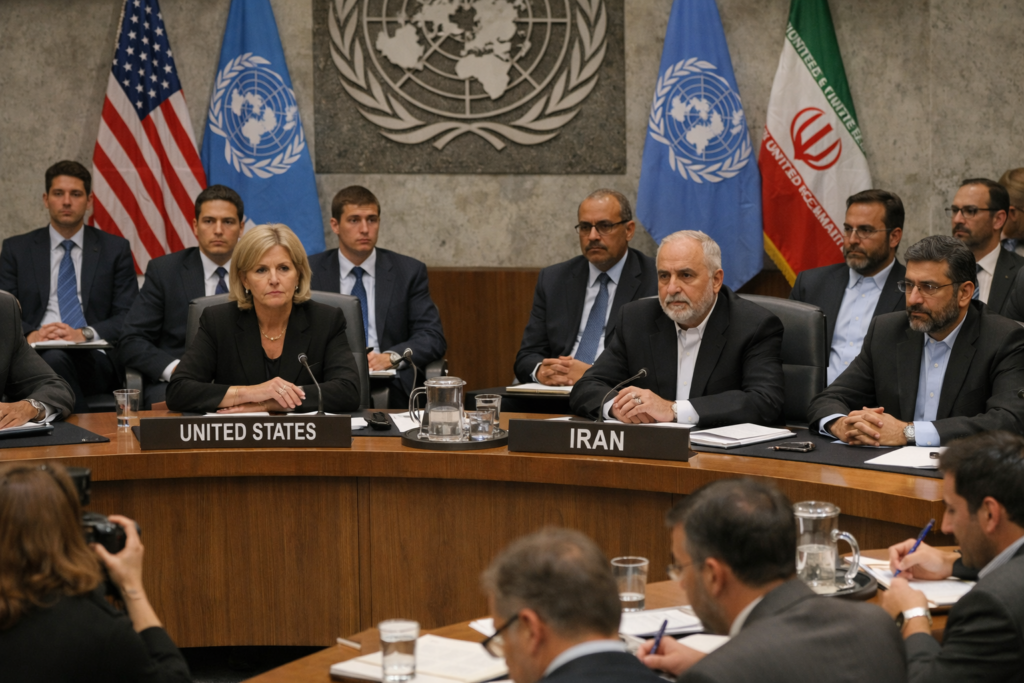
UNITED NATIONS — Iran and the United States publicly reiterated their mutual commitment to diplomacy during a tense session of the United Nations Security Council on Tuesday, yet profound disagreements over restarting a nuclear deal continue to stall progress in negotiations.
During the high-profile meeting, Iran’s U.N. Ambassador Amir Saeid Iravani emphasised that Tehran remains committed to “principled diplomacy and genuine negotiations,” calling on the United States, France and Britain to take concrete steps to rebuild trust and confidence after months of stalled talks. Iravani reaffirmed Iran’s adherence to the core goals of the 2015 pact designed to prevent Tehran from developing nuclear weapons in exchange for lifted sanctions.
In contrast, U.S. representatives reiterated that formal negotiations will only resume if Iran is ready for direct, meaningful dialogue — especially on contentious issues like uranium enrichment. The U.S. also stressed that it continues to oppose any enrichment of nuclear material inside Iran, a red-line demand that Tehran has labelled unfair and contrary to its sovereign rights.
The original nuclear agreement, known as the Joint Comprehensive Plan of Action (JCPOA), collapsed when the United States withdrew in 2018. Since then, Iran has increased its uranium enrichment levels to near weapons-grade purity, prompting Western powers to reactivate sanctions through a controversial “snapback” mechanism.
Despite the renewed expressions of diplomatic intent, crucial gaps remain large and deep, and top diplomats from both nations left the Security Council meeting without a clear path to resuming direct negotiations. Analysts say that unless both sides find compromise on nuclear enrichment and trust-building measures, tensions — and sanctions — could continue to define the Iran-U.S. relationship in the months ahead.