University of Oklahoma Removes Instructor After Zero Grade Sparks National Debate on Religion, Gender and Academic Freedom
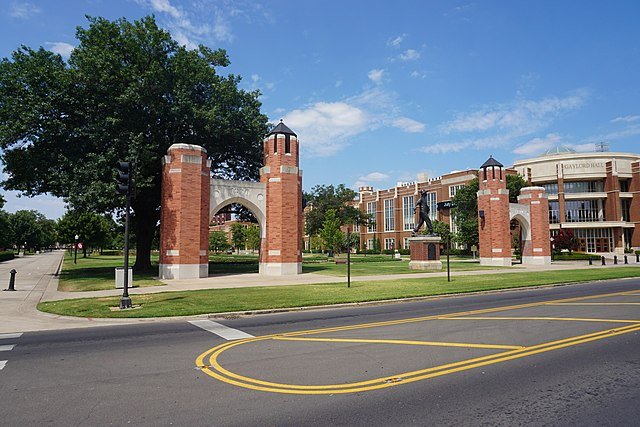
NORMAN, Okla. — The University of Oklahoma announced Monday that a graduate teaching assistant will no longer have instructional duties after a controversial grade dispute involving a student essay about gender and religion ignited a nationwide debate over academic freedom, religious expression and classroom grading standards.
The controversy began when junior psychology student Samantha Fulnecky received a zero on a required response paper for her class after citing biblical beliefs to argue against the concept of multiple genders. In her 650-word essay, Fulnecky referenced her Christian faith and described traditional gender roles, drawing widespread attention after the incident went viral on social media.
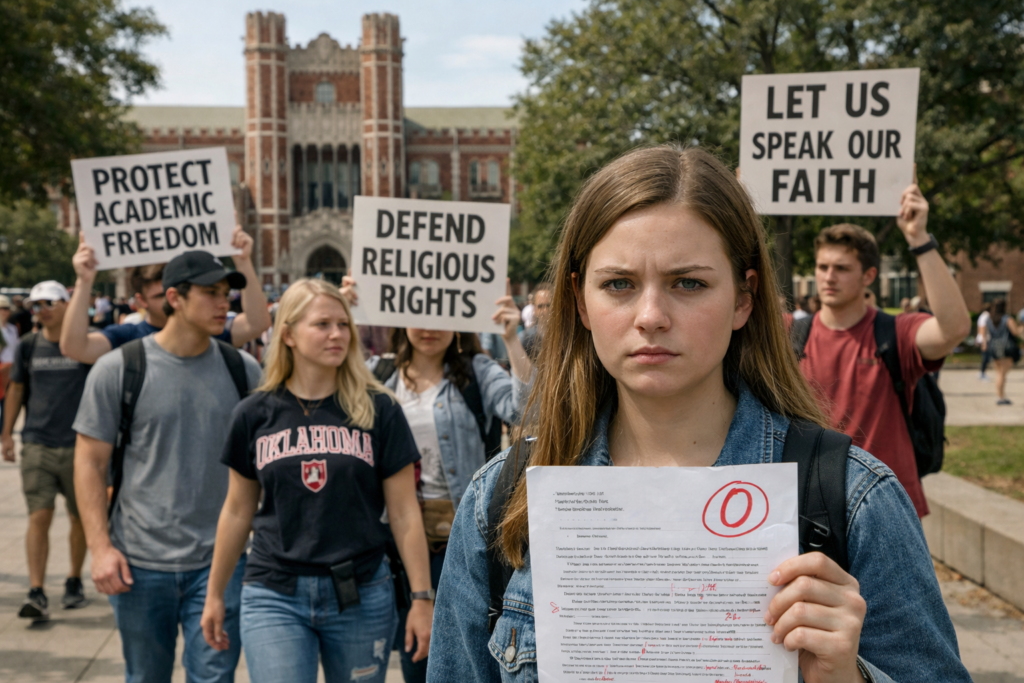
The graduate teaching assistant — identified in media reports as Mel Curth — graded the essay a zero on the grounds that it failed to meet the assignment’s criteria, relying on personal ideology rather than empirical evidence and missing key elements of the assigned prompt. Curth also described portions of the submission as potentially offensive in an academic setting.
Fulnecky claimed the grade constituted religious discrimination and filed a formal complaint with university administrators. In response, university officials reviewed the grading practices and determined that the teaching assistant had been arbitrary in her evaluation of the paper, leading to the decision to remove her from teaching responsibilities.
Administrators emphasized that the zero will not affect Fulnecky’s final grade in the course, and they stated their commitment to ensuring both academic integrity and students’ rights to express sincerely held beliefs. The case has drawn reactions from students and faculty alike, with protests on campus and national commentary on freedom of expression in higher education.
The episode highlights broader discussions in American universities about how religious perspectives, gender identity and academic standards intersect, particularly amid growing political focus on classroom content and free speech.