Russia’s Wartime Economy Struggles With Sanctions, Inflation, and Oil Revenue Losses Amid Ongoing Ukraine War
MOSCOW — December 20, 2025 — While Russia has tried to project resilience nearly four years after invading Ukraine, new economic data and global analysis paint a far more complicated picture. The Kremlin’s wartime economy shows increasing signs of strain, from falling oil revenues and rising inflation to serious labor shortages caused by mobilization and emigration.
Despite government assurances that sanctions and war costs remain manageable, economists say Moscow faces deep structural weaknesses that are beginning to surface — even after strong short-term growth fueled by defense spending.
Growing Economic Pressures as War Spending Surges
Russia’s budget deficit has widened sharply due to soaring defense spending and declining export revenues, a combination that has put unprecedented pressure on federal finances. The International Monetary Fund projects that economic growth will slow to about 1% in 2025, down from more than 4% in previous years.
Oil and gas — once the lifeblood of Russia’s public spending — are no longer delivering the strong inflows they did early in the war. Western sanctions have cut energy profits and imposed price caps, reducing Moscow’s ability to fund the war.
Adding to the financial burden, Russia’s war costs are estimated to reach billions of dollars daily, contributing to rising deficits and forcing the government to depend on state banks and emergency funding mechanisms to sustain the conflict.
Inflation and Labor Shortages Add to the Pain
Inflation has surged amid massive military spending and wage hikes aimed at attracting recruits, raising the price of everyday goods for ordinary Russians. Analysts report that inflation climbed above 9% in 2024, and consumer expectations remain volatile.
Meanwhile, Russia’s low unemployment rate — touted by officials as a sign of strength — actually reflects a shrinking labor pool. Hundreds of thousands of workers have joined the army, fled abroad, or died in combat, leaving many industries desperate for skilled employees and pushing wages upward in ways that further fuel inflation.
Oil Revenue Collapse and Sanctions Pressure
Outside observers say the harshest blow may be falling energy income. While Russia still exports significant volumes of oil, its revenues have fallen sharply because of price caps, discounts demanded by nervous buyers, and new sanctions that restrict shipping and financing.
The EU and U.S. continue to tighten sanctions on Russian oil and broaden restrictions on financial and military-related industries, adding longer-term stress to the economy.
Short-Term Stability, Long-Term Challenges
Despite these headwinds, analysts say Russia may be able to sustain its war spending for years — at least in the absence of deeper sanctions or a collapse in global oil prices. Wartime subsidies, preferential loans, and military contracts have propped up employment and GDP in the short term.
However, this growth is widely seen as unsustainable. A war-driven economic model, critics warn, sacrifices productivity and civilian sectors in exchange for temporary wartime gains, creating a fragile system vulnerable to shocks.
Economic Problems Unlikely to End the War Soon
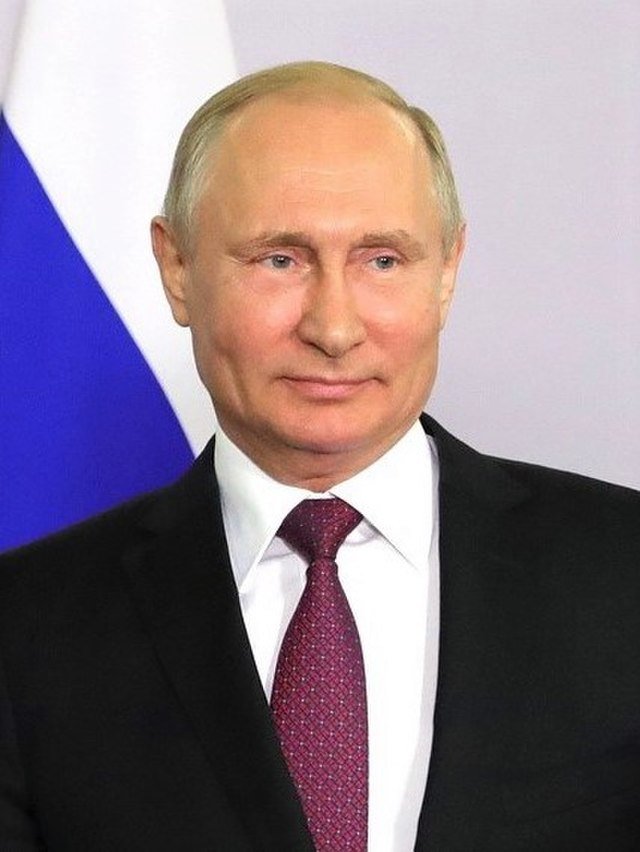
Even as these pressure points deepen, Western economists believe the Russian economy alone will not push President Vladimir Putin toward peace talks anytime soon. As long as Russia continues pumping and selling oil — even at discounted prices — it can maintain war funding at a minimal level.
Still, the cost of doing so is mounting. The war has triggered unprecedented global sanctions, accelerated Russia’s isolation from Western markets, and forced the Kremlin to rely increasingly on military production — a trade-off that may shape its economy for decades.
Looking Ahead
As Russia heads into 2026, the conflict in Ukraine continues to serve as both a driver of short-term economic activity and the root of its biggest financial vulnerabilities. Falling revenues, high inflation, and shortages of workers threaten to erode resilience over time, even if the Kremlin stays committed to the war effort.
For ordinary Russians, the effects are already visible — higher prices, a shrinking consumer economy, and grinding fiscal pressure — marking a stark reality behind Moscow’s official optimism.