Rising Hantavirus Cases Across Western U.S. Spark New Public Health Concerns
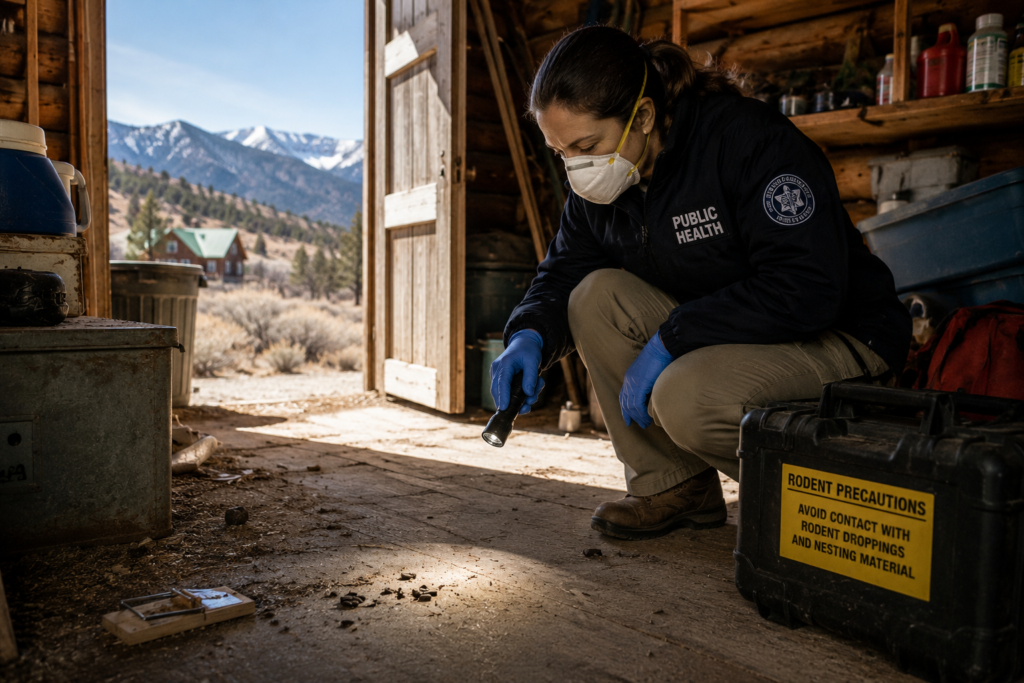
Health officials across several western states are warning Americans to take extra precautions as growing attention surrounding hantavirus infections raises concerns about rodent exposure, environmental risks, and public awareness during warmer months when outdoor activity increases.
The rare but potentially deadly virus, which spreads primarily through contact with infected rodents or their droppings, has once again become a serious public health discussion after recent cases and renewed warnings in states including Colorado and New Mexico highlighted how dangerous the illness can become if symptoms are not recognized quickly.
Medical experts emphasize that hantavirus infections remain relatively uncommon in the United States. However, the disease carries a high fatality risk in severe cases, particularly when diagnosis and treatment are delayed.
The growing public attention has fueled nationwide searches surrounding hantavirus symptoms and rodent exposure risks as Americans seek information about how infections occur and how to reduce exposure inside homes, cabins, garages, sheds, and outdoor areas.
Health agencies say deer mice remain one of the primary carriers connected to hantavirus transmission in North America.
Humans can become infected when virus particles from rodent urine, saliva, or droppings become airborne and are accidentally inhaled while cleaning enclosed spaces or handling contaminated materials.
Experts stress that the virus does not typically spread from person to person in the United States, but environmental exposure remains a serious concern in certain rural and semi-rural regions.
The issue becomes especially important during spring and summer months, when people begin opening cabins, storage buildings, campsites, and vacation properties that may have remained closed for long periods.
Disturbing rodent nests or sweeping contaminated dust without proper precautions can increase the risk of infection.
Public health officials continue urging Americans to use disinfectants, protective gloves, and proper ventilation when cleaning areas where rodents may have been present.
Online discussions involving Colorado and New Mexico hantavirus warnings have expanded rapidly as residents in western states follow health advisories closely.
The symptoms of hantavirus infection often begin with flu-like illness, making early detection difficult.
Patients may initially experience fever, muscle aches, fatigue, headaches, nausea, and chills before the disease progresses into more severe respiratory complications capable of becoming life-threatening.
Doctors warn that serious breathing problems can develop rapidly once the virus reaches advanced stages, requiring immediate medical attention and hospitalization in many cases.
Because the illness remains relatively rare, awareness among the general public can sometimes be limited compared with more common viral diseases.
That lack of familiarity worries some infectious disease specialists who believe more public education may help reduce accidental exposure and improve early recognition of symptoms.
Searches tied to rare deadly virus spreading through rodents continue climbing as Americans seek practical safety guidance and health information.
The growing attention surrounding hantavirus also reflects broader public sensitivity toward infectious disease threats following years of global health anxiety connected to pandemics and emerging illnesses.
Americans today are often more alert to public health warnings involving viruses, environmental risks, and unexplained outbreaks than they were before recent global health crises reshaped public awareness.
Still, experts caution against unnecessary panic.
Medical professionals emphasize that hantavirus infections remain uncommon and that simple prevention measures significantly reduce exposure risk. Maintaining clean living spaces, sealing rodent entry points, safely removing nests, and avoiding direct contact with rodent waste are considered highly effective precautions.
Public health agencies are particularly focused on educating residents in western states where environmental conditions and rodent populations create higher exposure potential.
Rural communities, hikers, campers, agricultural workers, and homeowners cleaning long-unused structures may face elevated risk depending on local conditions.
Interest surrounding public health concerns over hantavirus infections has increased as state health departments continue issuing reminders about prevention and symptom awareness.
Climate and environmental factors may also influence rodent behavior and population movement in ways researchers continue studying closely.
Warmer temperatures, drought patterns, habitat disruption, and food availability can affect where rodents gather and how frequently humans encounter them.
Scientists monitoring zoonotic diseases — illnesses that spread between animals and humans — say environmental changes are becoming increasingly important in understanding future public health risks.
The hantavirus discussion therefore extends beyond individual infections alone.
It also reflects growing scientific focus on how environmental conditions, wildlife behavior, and human activity intersect to create new disease exposure patterns over time.
Meanwhile, healthcare providers across affected regions are being encouraged to remain alert for possible hantavirus symptoms in patients reporting rodent exposure or unexplained respiratory illness.
Early recognition can play a major role in improving patient outcomes.
The emotional impact of hantavirus cases can also be especially intense because infections often appear suddenly and progress quickly, leaving families shocked by how rapidly healthy individuals can become critically ill.
Conversations surrounding how to prevent hantavirus exposure at home have spread widely across social media and health forums as Americans share cleaning advice, safety tips, and personal experiences related to rodent prevention.
Health officials continue emphasizing that prevention remains the most effective defense.
Experts recommend avoiding sweeping or vacuuming rodent droppings directly, which can release contaminated particles into the air. Instead, contaminated areas should be ventilated and disinfected carefully before cleaning begins.
People spending time in cabins, campsites, barns, sheds, garages, or remote structures are also encouraged to check for rodent activity before occupying enclosed spaces.
The broader public response reflects how deeply health fears remain connected to everyday environments many people normally consider safe and familiar.
Unlike highly publicized global disease outbreaks, hantavirus risks often emerge quietly inside ordinary places — homes, storage areas, rural properties, and vacation cabins.
That unpredictability contributes to public anxiety surrounding the virus despite its rarity.
Interest surrounding western US states reporting hantavirus cases continues growing as health officials work to balance awareness with reassurance.
For now, experts say Americans should remain informed rather than alarmed.
Most people will never encounter hantavirus directly, but understanding the risks and following basic safety measures may help prevent rare infections from becoming deadly tragedies.
As warmer weather encourages more outdoor travel and seasonal cleaning activities, health authorities hope greater awareness will help communities stay safe while avoiding unnecessary fear surrounding one of America’s lesser-known but serious infectious diseases.