Chicago Aldermen Override Mayor Brandon Johnson, Pass 2026 Budget in Historic City Council Revolt
CHICAGO, ILLINOIS — In an unprecedented move that has shaken City Hall, Chicago aldermen voted to approve a 2026 city budget without the support of Mayor Brandon Johnson, marking a rare and historic revolt by the City Council against the mayor’s proposed plan. The decision signals deep divisions over tax policy, city spending priorities, and how to close Chicago’s $1.19 billion budget gap for next year.
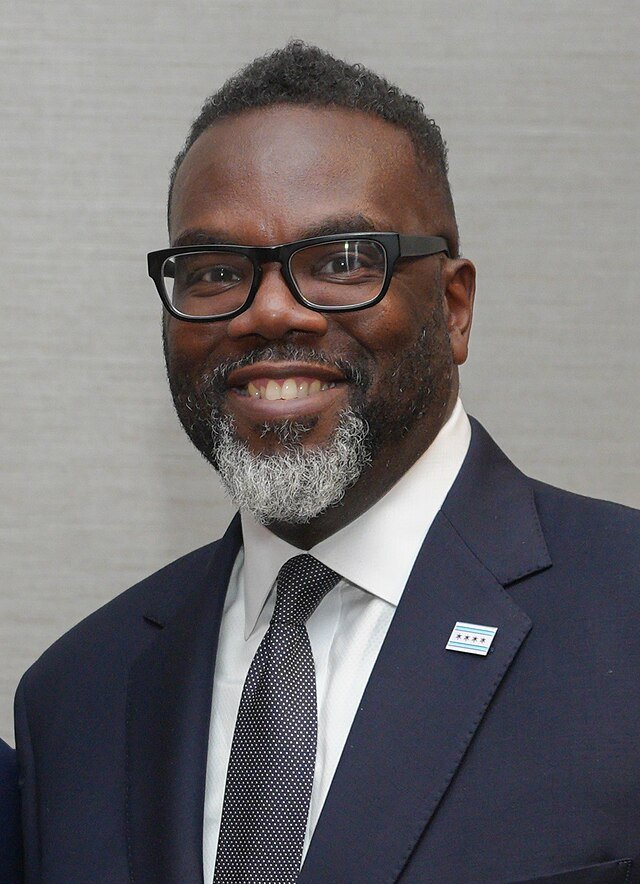
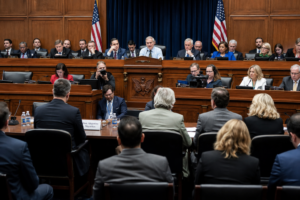
In a 29-19 vote Friday, the Chicago City Council passed an alternative revenue and spending plan that rejects Mayor Johnson’s controversial corporate head tax proposal but still meets the requirements for next year’s fiscal blueprint. Although the measure fell five votes short of the 34 needed to override a mayoral veto, the action represents a significant rebuke of Johnson’s authority at a critical moment in city governance.
Aldermen Pass Rival Budget Without Mayor’s Head Tax Plan
The City Council’s alternative budget replaces the mayor’s push for a per-employee corporate head tax on large employers with a mix of other revenue strategies supported by council leaders. These include expanding the city’s plastic bag tax, increasing liquor taxes, and generating revenue through city assets and fines, as well as augmented reality advertising on city properties and streetlight poles to help fund next year’s spending plan.
Mayor Johnson had made the corporate head tax — a monthly surcharge on businesses with hundreds of employees — a central pillar of his budget, arguing it would help support youth employment and violence prevention programs. Critics in the City Council worried it would drive jobs out of Chicago and harm the local economy.
Despite being outmaneuvered on the revenue plan, Johnson has not confirmed whether he will veto the council’s budget. He has repeatedly expressed serious concerns that the rival budget could leave the city facing a $163 million shortfall, potentially triggering cuts to programs or layoffs later in the fiscal year.
Historic Council Rebellion Puts City at Fiscal Crossroads
Political observers and residents describe the aldermen’s action as a rare rebellion that mirrors past Chicago budget wars — most notably those from the 1980s — when aldermen and a mayor clashed bitterly over control of the city’s financial direction.
Supporters of the council’s alternative plan argue it protects essential city services and avoids what they say would be a punitive tax on major employers. Opponents of the budget have criticized elements they believe are regressive fees that could disproportionately affect working-class Chicagoans.
Mayor Johnson’s original 2026 budget, totaling roughly $16.6 billion, included proposals to fund police misconduct settlements, infrastructure projects, and firefighters’ back pay. However, the controversy over how to generate revenue — particularly with rising costs and a looming deadline — has pushed council members to seek their own path.
Deadline Approaches to Prevent Government Shutdown
With just days left before the end-of-year budget deadline — and the risk of a government shutdown if no agreement is reached — the standoff could have serious consequences for city operations, including delayed payroll for city workers and potential cuts to services across neighborhoods.
The council is expected to take final votes on budget ordinances and spending authorizations this weekend, decisions that will determine whether Chicago’s government continues functioning smoothly or faces unprecedented financial disruption as 2026 begins.