8 Foods That May Help You Live to 100, According to Longevity Research
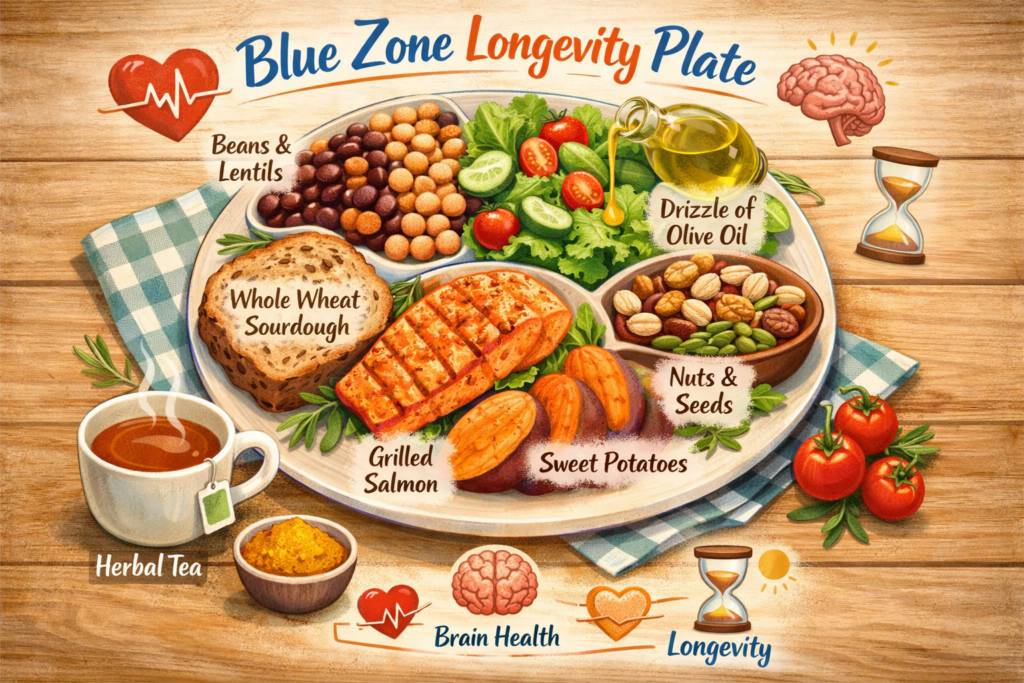
Research into the world’s longest-living people — including those in so-called Blue Zones like Okinawa (Japan), Sardinia (Italy) and Loma Linda (U.S.) — shows that diet plays a crucial role in healthy aging and extending life expectancy. These regions are known for uniquely high numbers of centenarians, people who reach age 100 and beyond, and their menus offer valuable clues for anyone aiming to eat for longevity.
Many of these food traditions emphasize plant-based, nutrient-dense choices that support heart, brain and metabolic health while reducing inflammation and chronic disease risk.
🥗 Top Longevity-Boosting Foods
- Legumes — Beans, Lentils and Peas
Packed with fiber and plant protein, legumes help regulate blood sugar and support heart health — a key factor in long life. - Olive Oil
A staple of Mediterranean-style diets, olive oil’s healthy fats and antioxidants help reduce inflammation and protect cholesterol levels. - Nuts and Seeds
These nutrient-rich snacks are high in unsaturated fats, vitamins and minerals, which are linked to lower heart disease risk and better overall aging. - Tea (Green, Black or Herbal)
Tea contains powerful antioxidants that support immune, heart and metabolic health, helping your body defend against oxidative stress. - Seafood (Especially Fatty Fish)
Fish like salmon and sardines provide omega-3 fatty acids, which support brain function and lower inflammation — important contributors to longevity. - Whole Wheat Sourdough Bread
Whole grains are rich in fiber, B vitamins and minerals, and sourdough fermentation can improve digestion and blood-sugar control. - Sweet Potatoes
This nutrient-dense root vegetable supplies fiber, vitamin A and potassium, all of which help maintain metabolic and immune health. - Turmeric and Spices
Turmeric’s active compound curcumin has strong anti-inflammatory properties, which may protect against age-related diseases.
🍽️ Eat Like a Centenarian
Centenarians don’t just eat specific foods — they also share balanced, unprocessed eating patterns:
- Mostly plant-based meals with occasional fish or lean meat
- Limited sweets and moderate alcohol intake
- Meals enjoyed socially, with community and purpose as part of lifestyle factors that support longevity too.
Incorporating these nutrient-rich foods into your regular diet — along with active living, stress management and strong relationships — could help support long-term health and well-being.