28th Annual Chinatown Lunar New Year Parade Lights Up NYC With ‘Year of the Fire Horse’ Spirit
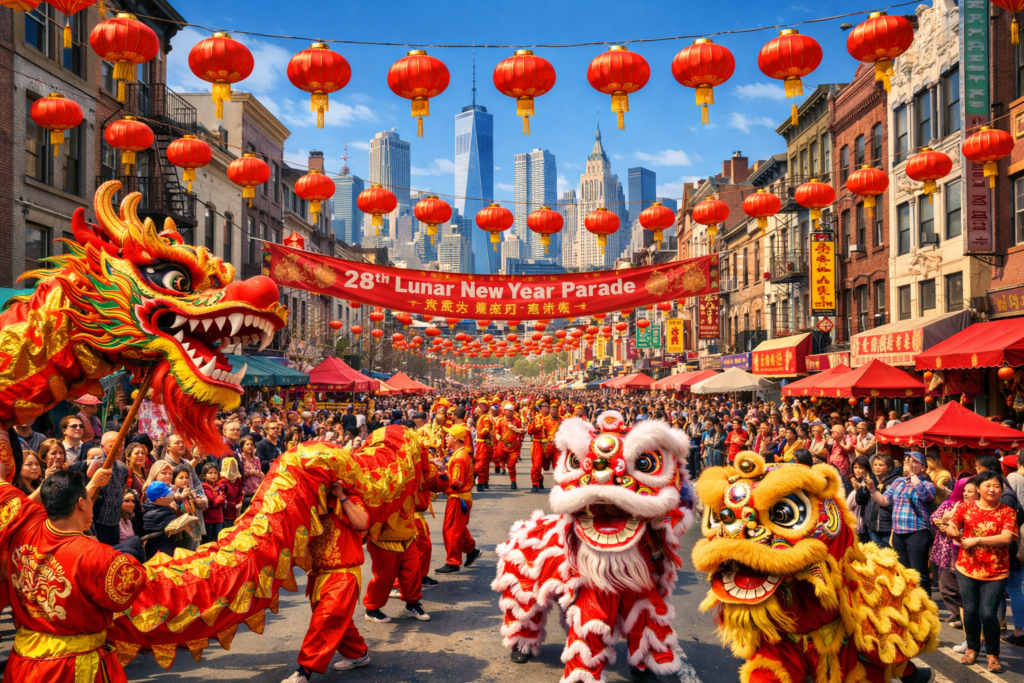
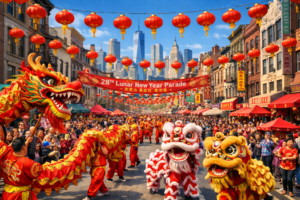
On a bright and brisk Sunday in Manhattan’s Chinatown, thousands of New Yorkers of all backgrounds turned out for the 28th annual Lunar New Year Parade and Festival, a beloved community celebration that marked the Year of the Fire Horse with dazzling displays of culture, color and joy. What began as a quiet festival kickoff in mid-February blossomed into one of the city’s most spirited street events of the season — a vivid tribute to heritage, unity and new beginnings.
Deep in the heart of Manhattan’s historic Chinatown, crowds gathered along the parade route before the procession even began, lining Mott Street and Canal Street with wide smiles and cameras poised. From toddlers perched on parents’ shoulders to seasoned parade-goers who have returned year after year, the atmosphere buzzed with anticipation as multi-colored banners, elaborately costumed performers and rhythmic drumbeats filled the air.
At 1:00 p.m., the parade took off under sunshine and blue skies, winding its way through Chatham Square, down East Broadway and toward Forsyth and Grand Streets. The procession was a tapestry of community pride: traditional lion and dragon dances, martial artists performing choreographed feats, and a procession of floats representing diverse cultural groups and community organizations. Spectators waved flags and cheered as performers brought age-old traditions into the bustling streets of New York City.
Central to this year’s celebration was the Year of the Fire Horse, a rare designation in the Chinese zodiac calendar that comes only once every 60 years. In Chinese astrology, the Fire Horse combines the energy and daring of the horse with the fiery element associated with passion, courage and bold change. For many in attendance, the symbolism resonated deeply, adding both meaning and momentum to the festivities.
Local leaders and community organizers — including representatives from Better Chinatown USA, which organizes the event — emphasized the importance of tradition and togetherness. The parade is not just a visual spectacle, but also a reflection of the area’s rich cultural tapestry and its role in New York City’s broader story. Festival booths stretched along Bayard Street between Mulberry and Mott Streets, offering everything from traditional foods to handmade crafts, allowing families and visitors to linger long after the processions passed.
For many families, the celebration is both a homecoming and a reaffirmation of identity. “Lunar New Year brings us together,” said one Chinatown resident, holding her young daughter’s hand as lion dancers thundered past. “We honor our ancestors, we celebrate with friends, and we look forward to a year filled with good fortune and well-being.” The sense of shared heritage was evident in every drumbeat, every fan of red and gold, and every dragon that snaked through the streets.
The cultural significance of the Lunar New Year goes far beyond the parade itself. The holiday — known in many East and Southeast Asian cultures as the Spring Festival — marks a time to welcome good luck, health and prosperity. In Chinatown, preliminary festivities had begun weeks earlier with a Firecracker Ceremony and Cultural Festival in Sara D. Roosevelt Park, where residents and visitors gathered for traditional performances, rhythmic drumming and a deafening barrage of firecrackers intended to chase away bad spirits.
Throughout Chinatown, community members of all ages participated in time-honored traditions. Lion dance troupes moved through storefronts and homes, believed to bring prosperity and chase misfortune. Children in bright costumes carried lanterns and waved streamers, while elders offered blessings and blessings in both Mandarin and English. For many, the parade and related events are as much about preserving ancient customs as they are about making joyful memories with family and neighbors.
The Year of the Fire Horse carries special meaning for New York’s Asian American communities, who view this moment as an opportunity to reinforce identity and resilience. Grand marshals, community advocates and performers all expressed pride in seeing Chinatown’s traditions thrive in one of the world’s most cosmopolitan cities. While the holiday has roots in Chinese culture, it also embraces the multicultural spirit of New York, welcoming Vietnamese, Korean, Filipino and other Asian traditions that enrich the Lunar New Year celebration.
For local business owners, the parade is more than a cultural moment — it’s a welcome boost for small shops and restaurants that line Chinatown’s streets. Many eateries offered special menus featuring dumplings, long noodles and fish — foods symbolic of wealth, longevity and abundance — drawing both longtime patrons and curious visitors eager to sample authentic fare. “Today we see the neighborhood come alive,” said one restaurant owner, smiling as the crowd swelled into the evening.
Despite the energetic festivities, organizers also emphasized safety and respect for tradition. With crowds packing the sidewalks and police managing road closures along the route, families were reminded to wear bright clothing and stay close together, especially in the narrow, bustling streets of the neighborhood. Road closures along key intersections — including stretches of Mott, East Broadway and Forsyth Streets — were in effect for most of the afternoon, ensuring that the parade remained both spectacular and secure.
As the parade drew to a close near Sara D. Roosevelt Park, onlookers lingered to take photos with performers, share sweets from nearby vendors and vow to return next year. For many in New York’s vibrant Asian American community, the Lunar New Year Parade is more than a festival — it’s a declaration of belonging and an open invitation to all residents and visitors to participate in one of the city’s most joyful, time-honored traditions.