2025 Becomes the Year of the Etsy Witch as Spell-Casting Trend Goes Viral Online
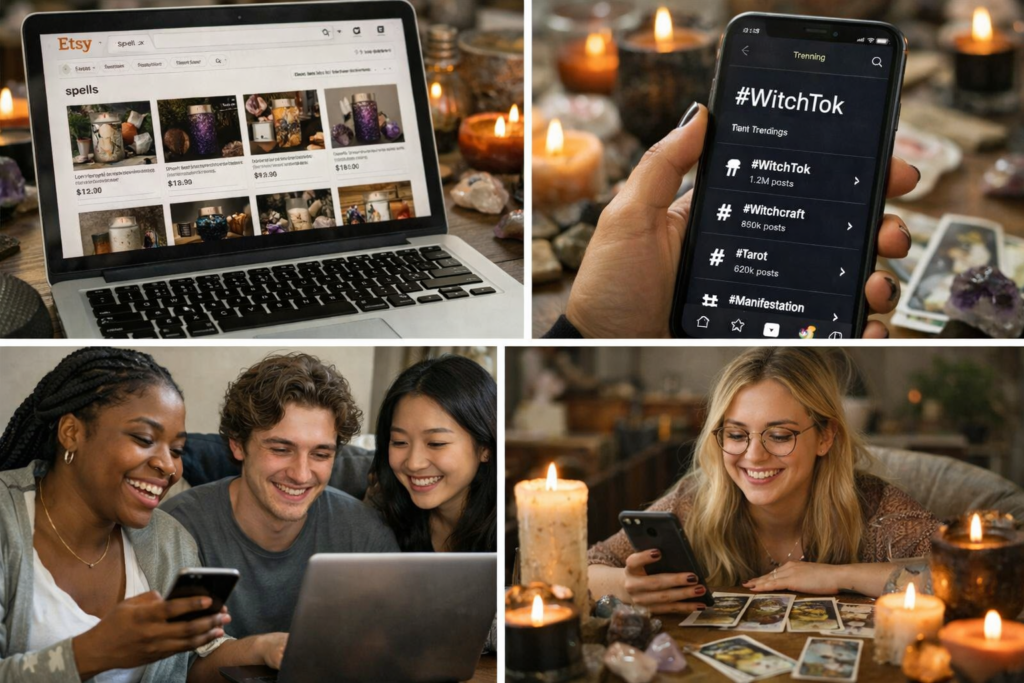
NEW YORK — In 2025, a peculiar cultural phenomenon captured the imagination of social media users and pop-culture observers alike: the rise of the “Etsy witch” — online spell-casters offering services ranging from love spells to good luck charms through digital marketplaces and social platforms. This quirky trend, fueled by viral TikTok hashtags and internet virality, became one of the defining stories of the year in the world of online culture and consumer trends.
Once relegated to niche spiritual communities, modern witchcraft found an unexpected mainstream spotlight as people increasingly turned to internet-based spell-casting services for hope, entertainment and inspiration amid a year marked by political turbulence and social uncertainty. The term “Etsy witch” refers to individuals selling metaphysical services — often marketed as spiritual or ritualistic experiences — through platforms like Etsy, where they circumvent official bans on pure spell sales by listing them as “entertainment services.”
Interest in online witchcraft swept across platforms like TikTok’s #WitchTok and Instagram, with related tags amassing billions of views and connecting curious users with digital spell-casters worldwide. This surge in visibility helped normalize practices such as custom love spells, protection rites, and personalized charms — not just as fringe esoterica, but as part of a broader wellness and self-empowerment culture.
The trend even intersected with high-profile moments in 2025, such as when a Seattle baseball fan’s joke about hiring an Etsy witch to improve his team’s fortunes went viral, helping spark debate about superstition and fandom in the digital age. Secret Seattle Meanwhile, some online articles detailing the hiring of Etsy witches to “curse” controversial public figures drew sharp criticism and ethical questions about the portrayal of spiritual practices in media.
Experts on digital culture say the Etsy witch trend reflects deeper shifts in how Generation Z and millennial audiences use online communities to navigate insecurity, identity and meaning. For many, engaging with online spell-casting isn’t necessarily about belief in literal magic — it’s about ritual, community and a way to express personal hopes in a hyperconnected world.
Critics argue that the commodification of spiritual practices online risks turning authentic belief systems into entertainment or even exploitation. However, advocates say much of the popularity stems from genuine curiosity and the human desire to hope for positive change during difficult times — a trend that is expected to continue into the new year as online witchcraft becomes further embedded in internet culture.